

 Rings
Rings
 Earrings
 Bracelets & Bangles
 Necklaces & Pendants
 Silver Jewellery


 Our Story
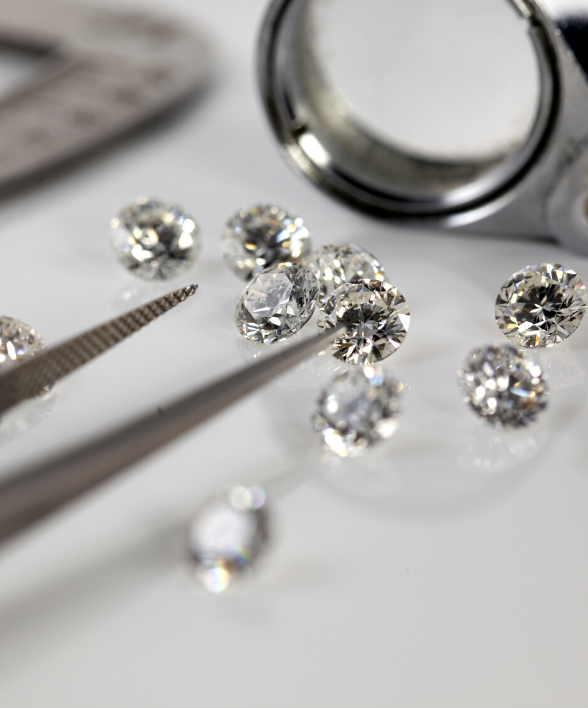 Diamond Buying Guide
 Watch Buying Guide
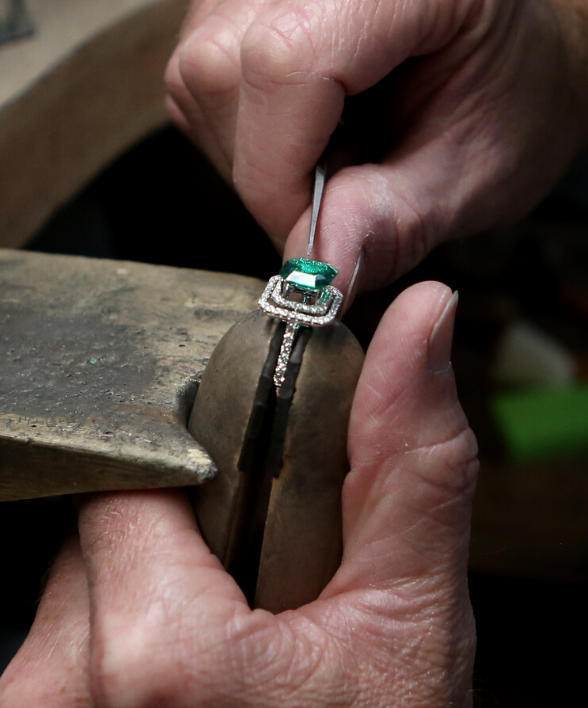 Product Care & Aftercare
 Visit our Showroom
A Gentleman's Guide to Choosing the Perfect Ring for Your Fiancé
Buying a ring is one of the most consequential purchases a man will ever make. It is far more than a simple transaction. It is an enduring symbol of devotion, an heirloom in the making, and a statement of intent. Yet, stepping into the world of fine jewellery can feel daunting. You are suddenly confronted with an entirely new lexicon of carats, cuts, band profiles, and alloy blends. Display cases glitter under showroom spotlights, and every option claims to be the ultimate expression of love.
You do not need to become a master gemmologist overnight to make the right choice. What you need is a clear strategy. By breaking down the process into deliberate, manageable decisions, you can navigate the selection with absolute confidence. Whether you are planning a surprise proposal or selecting the piece together, this guide provides the gentleman's roadmap to finding a ring that will be cherished for a lifetime.
Step 1: The Art of Quiet Observation
Before you glance at a single diamond or examine a band, turn your attention to your partner. The ideal ring should not reflect what a display cabinet dictates. It should feel like a natural extension of the person wearing it. The secret to success lies in quiet, careful observation long before you visit a showroom.
Pay close attention to their daily jewellery habits. Do they gravitate toward warm yellow tones, cool silvers, or vintage rose hues? Look at the hardware on their favourite handbags, watch buckles, and everyday accessories. A partner who exclusively wears minimalist, sleek platinum pieces will rarely feel comfortable with an ornate, vintage yellow gold ring.
Consider their lifestyle and daily routine as well. Do they work with their hands, spend weekends outdoors, or work in healthcare? A towering, high-set stone might catch easily on garments or equipment. For an active lifestyle, a lower setting, a sturdy rub-over bezel, or a protective band design will offer far greater comfort and longevity. Style is not just aesthetic. It is practical.
Step 2: Mastering Precious Metals
The precious metal you select forms the foundation of the entire piece. It dictates how the ring feels on the finger, how it ages, and how often it requires maintenance. While aesthetics lead the way, understanding the physical properties of each alloy is vital.
Platinum: The Pinnacle of Strength
Platinum is naturally white, dense, and remarkably durable. Unlike white gold, it does not require rhodium plating to maintain its cool, icy lustre. Over time, platinum develops a soft, satin finish known as a patina. Many gentlemen appreciate platinum because it holds stones with exceptional security and provides a satisfying, substantial weight on the finger. It is also naturally hypoallergenic, making it ideal for sensitive skin.
Yellow Gold: Timeless Warmth
Yellow gold remains the traditional standard for bridal and engagement jewellery. Its rich, buttery glow complements warmer skin tones and vintage-inspired silhouettes. Pure 24-carat gold is too soft for daily wear, which is why jewellers alloy it with metals such as copper and silver to add structural rigidity. Reviewing our comprehensive gold carat guide will help you understand the exact balance between gold purity and everyday resilience when deciding between 9ct, 14ct, and 18ct options.
White Gold: Modern Sophistication
White gold offers the crisp appearance of platinum at a different price point. Created by blending pure gold with white metals like palladium or silver, it is finished with a thin layer of rhodium plating to achieve a mirror-like shine. Over years of daily wear, this plating will gently wear away, requiring periodic re-dipping to maintain its pristine, bright white finish.
Rose Gold: Romantic and Contemporary
Created by increasing the copper content within the gold alloy, rose gold offers a warm, blush tone. It stands out from the crowd and pairs exceptionally well with vintage designs and coloured gemstones. It is also naturally tough due to the strength of copper, offering excellent resistance to daily knocks.
Step 3: The Anatomy of Diamonds – The 4Cs Demystified
If you are choosing a ring anchored by a diamond, you will inevitably encounter the 4Cs: Cut, Colour, Clarity, and Carat. Established by the Gemological Institute of America (GIA), this grading framework allows you to evaluate stones objectively. Understanding how these factors interact ensures you invest your budget where it makes the greatest visual impact.
1. Cut: The Engine of Brilliance
Cut is the single most important factor in determining how a diamond looks. It does not refer to the shape (such as round, oval, or emerald), but rather to how expertly the facets are proportioned and angled. A masterfully cut diamond reflects light inward and bounces it back out through the top, creating sparkle, fire, and scintillation. Even a stone with flawless clarity will look dull if the cut is too shallow or too deep. Always prioritise an Excellent or Very Good cut grade.
2. Colour: The Pursuit of Purity
Diamond colour is graded on an alphabetical scale from D (completely colourless) down to Z (noticeable light yellow or brown tint). For white metal settings, diamonds in the D to F range offer pure, icy transparency. However, stones graded G through I appear virtually colourless to the naked eye once mounted, often offering an outstanding balance of beauty and value. If setting a stone in yellow or rose gold, you can comfortably choose a slightly warmer grade, as the metal naturally flatters the diamond.
3. Clarity: Viewing the Natural Fingerprint
Clarity measures the presence of tiny internal characteristics called inclusions or external marks called blemishes. The scale ranges from Flawless (FL) to Included (I). Most inclusions are microscopic and cannot be seen without a jeweller's loupe. Aim for an "eye-clean" stone, typically found in the VS1, VS2, or SI1 categories. There is rarely a practical need to pay a heavy premium for flawless clarity when the inclusions are entirely invisible to the naked eye.
4. Carat: Weight, Not Size
Carat refers strictly to a diamond's weight, where one carat equals 0.2 grams. While a higher carat weight often corresponds to a larger physical stone, cut proportions play a huge role in visible dimensions. A poorly cut diamond may hide its weight at the bottom of the stone, looking smaller than a well-cut diamond of lower carat weight. Focus on finding a stone with balanced proportions rather than chasing a round carat number.
Step 4: Ring Settings and Band Profiles
The setting is the structural bridge between the metal band and the gemstone. It sets the stylistic tone of the piece and dictates its daily durability.
- The Classic Solitaire: A single stone held by four or six claws. It is timeless, elegant, and allows maximum light to enter the gem. Claws require occasional checks by a jeweller to ensure they remain tight.
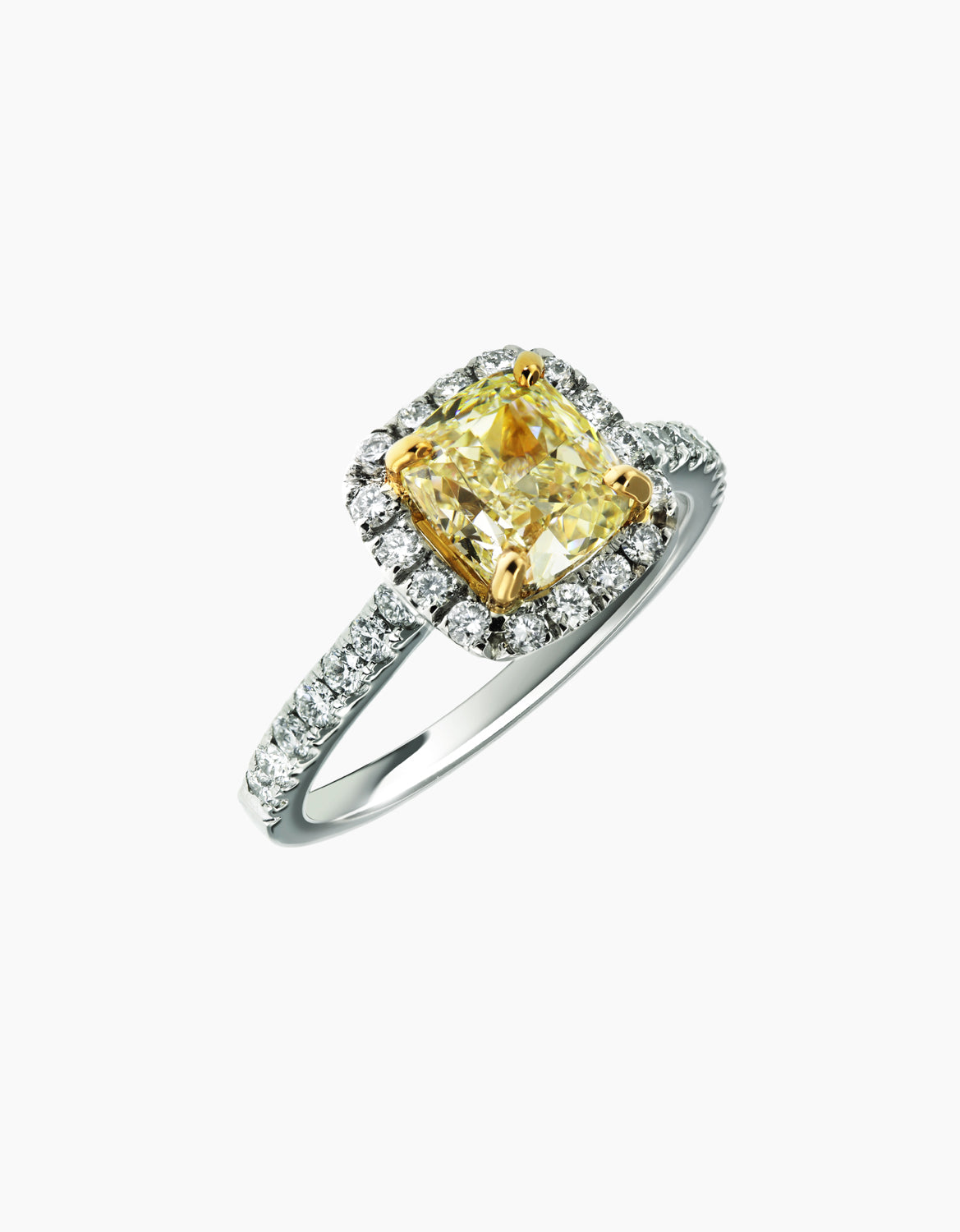
- The Halo: A centre stone encircled by a border of smaller pavé-set diamonds. This setting adds vintage character and creates the visual illusion of a significantly larger centre gem.
- The Trilogy: Three stones set side by side, traditionally representing the past, present, and future of your relationship. A central stone flanked by tapered baguettes or pears offers striking architectural balance.
- The Bezel (Rub-over): A sleek metal rim that completely surrounds the perimeter of the gemstone. It is the most secure setting available, completely eliminating snagging and protecting the stone's edges.
Beyond the setting, the band itself deserves scrutiny. The width, thickness, and profile of the shank affect comfort. When planning for the complete bridal suite, consulting a dedicated wedding ring weight guide helps ensure that the ring possesses enough substance to resist bending while sitting comfortably against adjacent bands.
Step 5: Planning for the Wedding Band Ahead of Time
A common pitfall for many gentlemen is focusing solely on the engagement ring without considering what happens on the wedding day. An engagement ring is rarely worn in isolation. Eventually, it must sit beside a wedding band.
Some engagement ring settings feature a low basket that prevents a straight wedding band from sitting flush against it. This creates a small gap between the two rings. For some, this gap is part of the charm. For others, it is an annoyance that requires a custom-shaped or curved wedding band later.
If you prefer clean, flush alignment, look for a "wedfit" design. These rings are engineered with a slightly elevated setting that allows a standard, straight wedding band to slide underneath seamlessly. When you reach the stage of choosing the perfect wedding ring, having a thoughtfully designed engagement ring setting makes the subsequent decision effortless and harmonious.
Step 6: Covert Ring Sizing Techniques
Securing the correct finger size without arousing suspicion is a classic gentleman's challenge. While most rings can be resized slightly after the proposal, getting it close ensures the ring can be slipped onto their finger in the moment.
Here are three reliable methods to determine size discreetly:
- The Borrowed Ring: Locate a ring your partner wears on their left ring finger. Trace the inside diameter onto a piece of paper, or press the ring into a bar of soap to leave a clear impression. Alternatively, bring the ring directly to an independent jeweller for accurate measurement on a mandrel.
- The Trusted Confidante: Enlist the help of their closest friend, sister, or mother. Often, friends discuss ring preferences or have tried on jewellery together. A discreet ally can casually guide a conversation toward jewellery sizes without raising red flags.
- The "Try My Ring" Feint: Try on one of their rings on your own pinky finger. Note exactly where it rests on your knuckle, and mark the spot. A skilled jeweller can use that reference point to estimate the diameter.
Keep in mind that ring fingers on the dominant hand are typically half a size larger than those on the non-dominant hand. If in doubt, it is safer to err slightly larger. Sizing down is generally easier than stretching a ring up, particularly on bands with intricate pavé diamond work.
Step 7: The Value of Heritage Craftsmanship
Purchasing fine jewellery online from faceless platforms can leave you second-guessing quality, origin, and craftsmanship. Fine jewellery is tactile. It possesses weight, balance, and subtle nuances that no digital screen can fully convey.
Visiting a long-standing, family-owned jeweller like Finnies brings peace of mind to the entire journey. In an established showroom, you can compare diamond colour grades side by side in natural daylight. You can test how different band profiles feel between your fingers. Most importantly, you benefit from decades of genuine expertise without high-pressure sales tactics.
A heritage jeweller will guide you through certification from respected laboratories such as the GIA, explain aftercare packages, and ensure your investment is fully protected. They will be there not just for the proposal, but for wedding bands, anniversaries, routine claw inspections, and professional cleaning for decades to come.
The Gentleman’s Checklist
Before you make your final commitment, run through this concise checklist to ensure every base is covered:
- Observed Preferences: Have you confirmed their metal colour preference (yellow, white, platinum, or rose)?
- Setting Practicality: Does the stone setting match their daily professional and recreational activities?
- Certified Gemstone: Is the diamond accompanied by an independent grading report from a reputable laboratory?
- Future Pairing: Will this ring sit flush with a standard wedding band, or will it require a bespoke contoured band?
- Accurate Sizing: Have you obtained a realistic sizing estimate, and confirmed the jeweller's resizing policies?
- Valuation and Insurance: Does the purchase include an official retail valuation for immediate insurance cover?
Choosing the right ring does not require luck. It requires care, attention to detail, and trusted advice. Take your time, trust your instincts, and select a piece that tells your shared story with poise and integrity.