

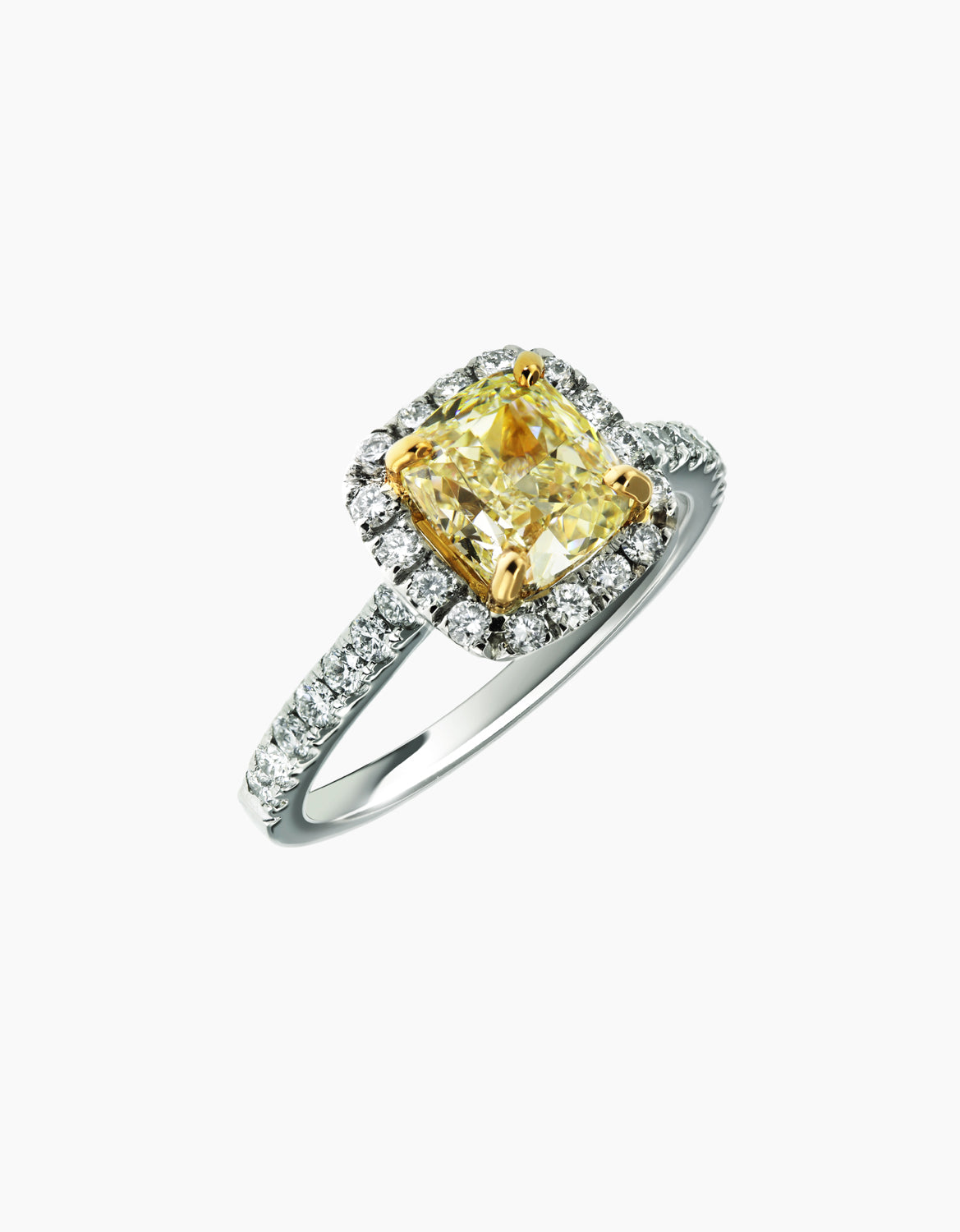
 Rings
Rings
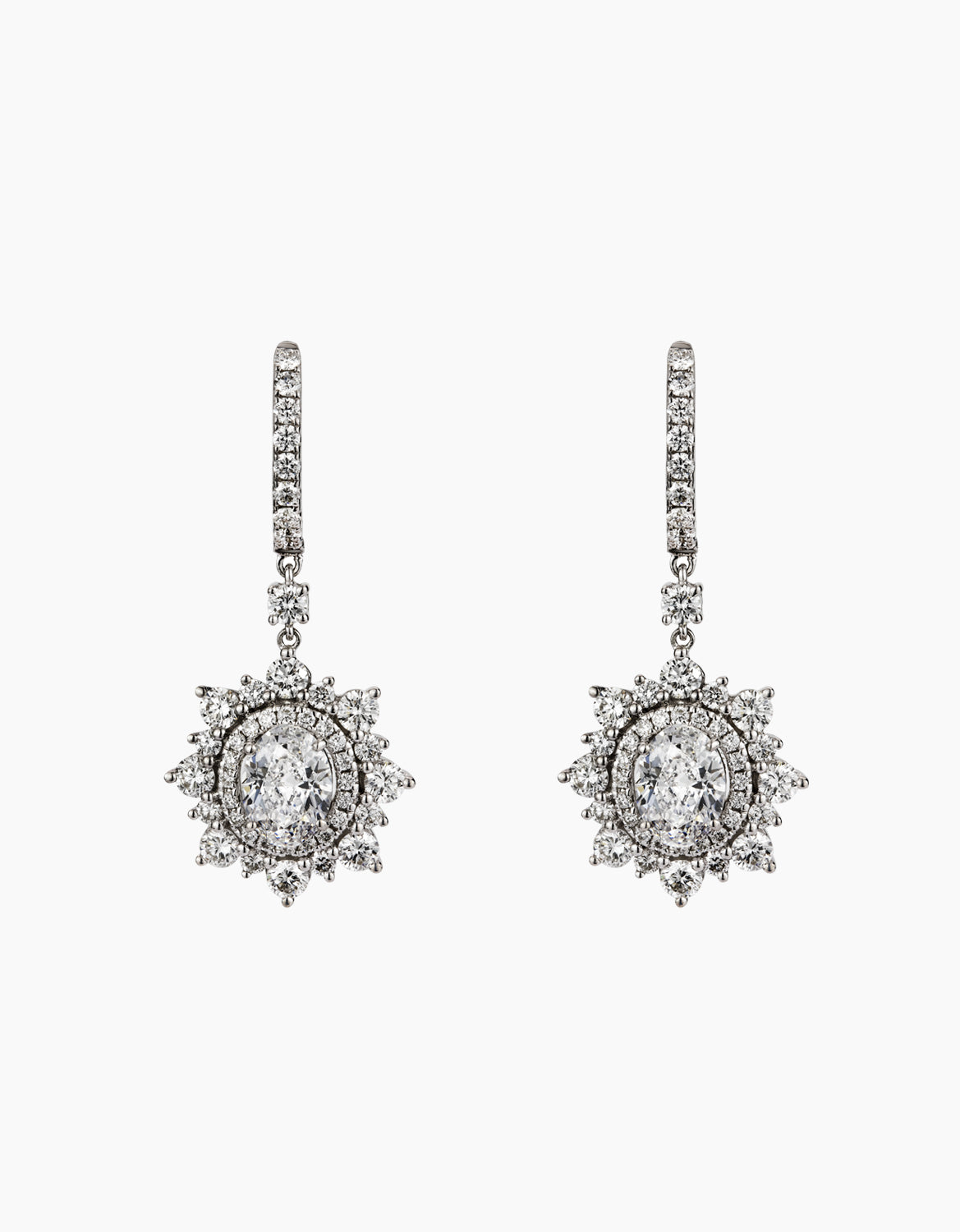 Earrings
 Bracelets & Bangles
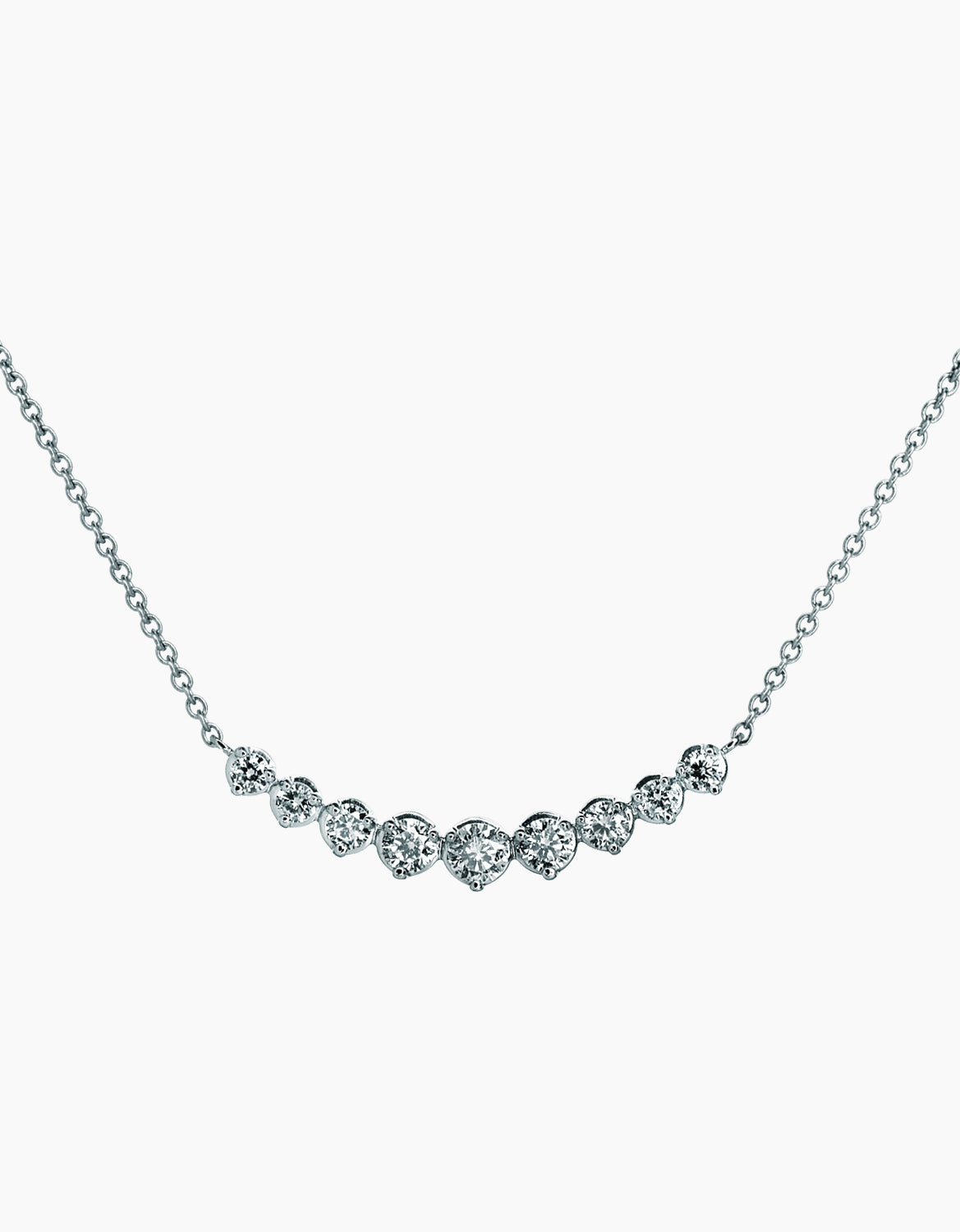 Necklaces & Pendants
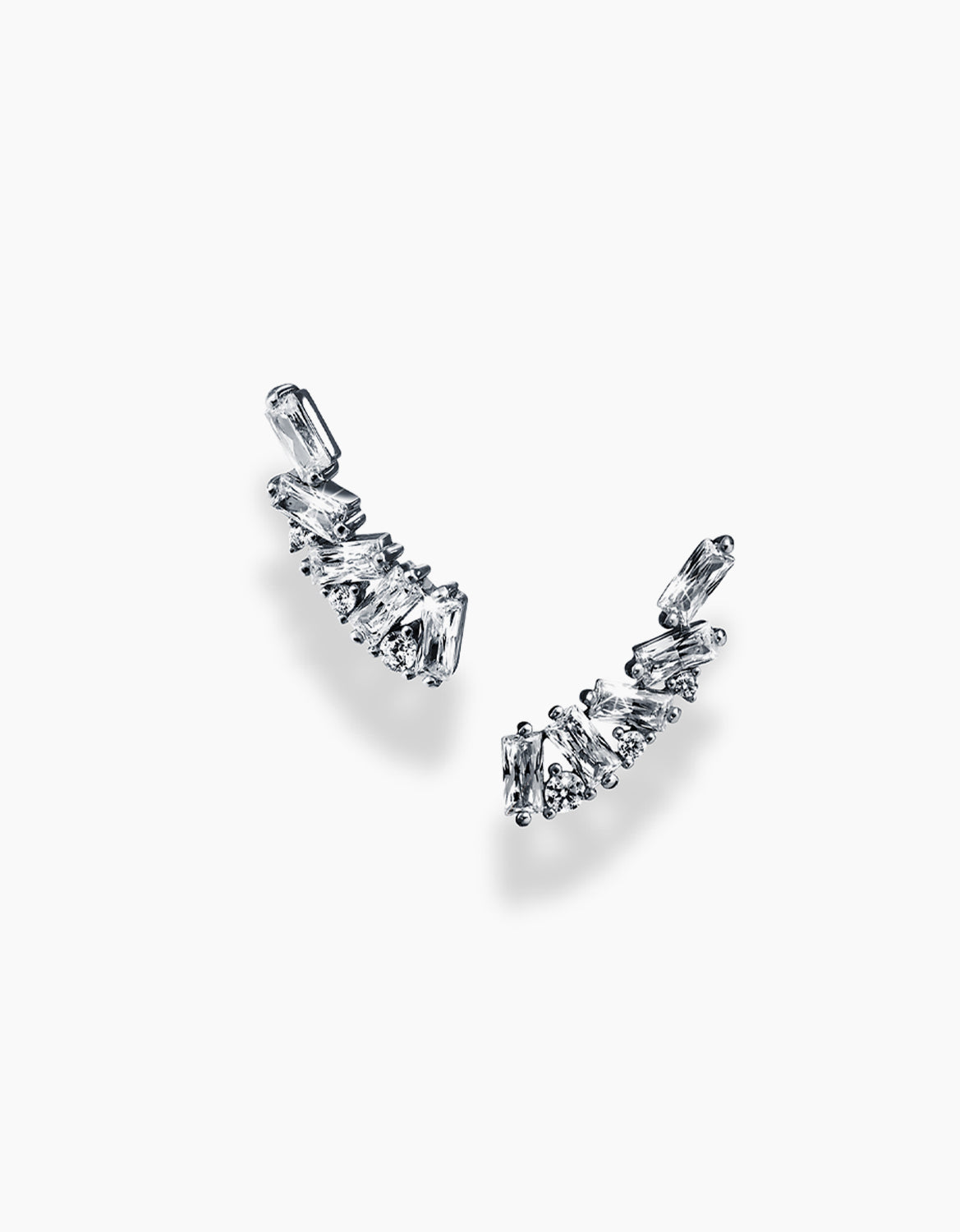 Silver Jewellery


 Our Story
 Diamond Buying Guide
 Watch Buying Guide
 Product Care & Aftercare
 Visit our Showroom
Caring for Heavy Gold and Platinum Engagement Rings Everyday
Substantial engagement rings crafted from solid 18ct gold or dense platinum are built to last a lifetime. Their substantial metal volume, thick walls, and robust settings offer excellent structural integrity, making them far more resistant to bending or warping than delicate wire rings. However, owning a piece with generous metal surface area introduces specific care requirements to keep your heirloom looking its absolute best.
Because thick bands present expansive polished or textured surfaces, they collect daily surface scuffs, fingerprints, and natural skin oils more noticeably than narrow rings. Additionally, gold and platinum react uniquely to everyday contact, developing distinct surface patinas over time. Knowing how to care for your ring ensures that daily wear enhances its character rather than dulling its luster.
In this guide, we provide a practical care strategy tailored for high-mass engagement rings. From understanding the differences between platinum patina and gold polishing to step-by-step home cleaning and professional bench checks, this guide helps preserve the weight, warmth, and sparkle of your piece for generations to come.
1. Gold vs Platinum Metallurgy in Daily Life
1.1 Understanding Platinum Patina and Mass Retention
Platinum is renowned across fine jewellery for its extraordinary density and unique durability. Unlike gold, when platinum is scratched during daily wear, metal is not lost or scraped away. Instead, the dense metal displaces—shifting slightly on the surface to create fine micro-ridges.
Over time, these micro-ridges merge to create a soft, velvety luster known as a patina. Far from being a flaw, this classic satin finish is prized by fine jewellery connoisseurs worldwide as proof of genuine, unplated platinum. It softens high reflections and creates an authentic vintage character.
If you prefer a bright mirror finish, platinum can be professionally hand-polished by a jeweller to re-align the metal surface without losing precious mass. This unique durability makes platinum a superior choice for heavy, high-wear rings.
1.2 Gold Alloys: Wear Characteristics and Finishes
18ct yellow, white, and rose gold alloys behave differently than platinum under daily wear. When gold suffers a deep scratch, small amounts of metal can be shaved off over time. Because heavy gold bands showcase broad metal shoulders, managing surface scratches requires thoughtful care.
Yellow and rose gold display rich warmth that wears beautifully over time, developing a soft, lived-in luster. Regular polishing with a soft jewellery cloth restores original shine easily at home. 18ct white gold, by contrast, is often finished with a thin layer of rhodium plating to achieve an ultra-bright white surface. Over years of friction, this outer plating wears down, revealing the warm white gold alloy beneath.
To preserve white gold finishes, avoid cleaning with harsh chemical abrasives. Periodically having your bench jeweller re-rhodium plate your ring restores its bright, mirror-like white luster.
2. Everyday Home Care and Maintenance Practices
2.1 Safe Step-by-Step Home Cleaning Protocol
Natural skin oils, hand creams, soaps, and dust easily collect in the crevices of wide settings and underneath low-slung stone mounts. Cleaning your ring at home every two to three weeks restores brilliant light bounce and prevents dull film accumulation on central gemstones.
Follow this safe, effective cleaning routine at home:
- Prepare a Gentle Bath: Fill a small bowl with warm water and add a few drops of mild, pH-neutral liquid dish soap. Avoid bleach, ammonia, or chlorine, which can degrade metal alloys and harm soft gems.
- Soak the Ring: Submerge your ring in the warm soapy water for 15 to 20 minutes to soften accumulated oils and debris.
- Brush Gently: Use an ultra-soft toothbrush to gently clean around settings, interior comfort curves, and under the gemstone gallery. Avoid scrub pads or stiff bristles that can scratch polished metal.
- Rinse Thorougly: Rinse your ring under warm running water, placing a sink strainer plug securely over the drain to prevent accidental loss.
- Dry with Care: Pat dry with a clean, lint-free microfiber cloth or allow to air dry naturally on a soft towel.
2.2 When to Remove Your Heavy Ring
Even though heavy gold and platinum bands offer exceptional strength, taking off your ring during specific high-impact activities protects precious metals from unnecessary deep denting or chemical dulling:
- Gym and Weightlifting: Metal-on-metal contact with iron dumbbells or barbells can cause deep gouges and alter the smooth shape of gold and platinum bands.
- Gardening and Construction Work: Coarse dirt and rocks act as abrasives against polished metal shoulders, scratching smooth surfaces and wedging debris into setting cutouts.
- Swimming Pools and Hot Tubs: Chlorine reacts aggressively with gold alloys, weakening internal solder joints and causing subtle metal discoloration.
- Household Cleaning: Harsh bleach and abrasive scouring chemicals dull fine polishes and can damage sensitive accent stones.
3. Professional Maintenance, Inspection, and Stacking Care
While home cleaning keeps your piece shining brightly, regular professional inspections ensure its structural health over decades. Schedule a visit with your trusted bench jeweller once a year to keep your investment secure.
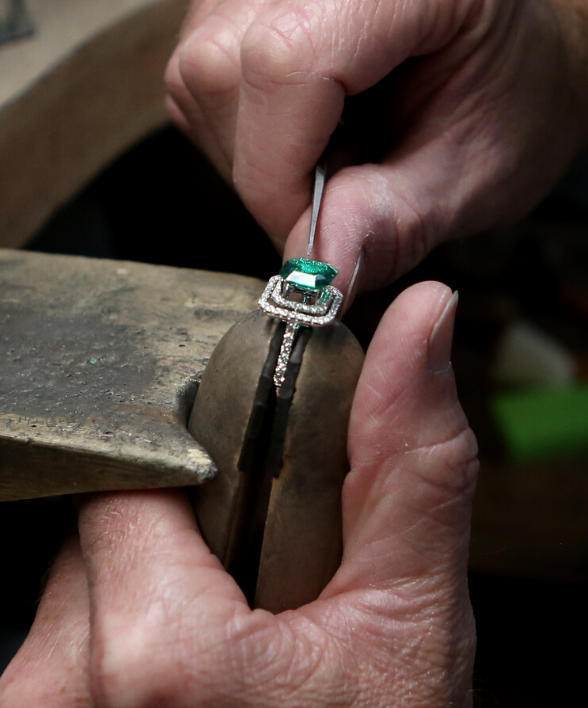
During a professional service, your jeweller evaluates the integrity of bezel walls, flush rims, and claw mountings under high magnification. Even thick settings benefit from expert checks to confirm that daily impacts have not created subtle movement around the gemstone girdle.
Professional jewellers also offer ultrasonic cleaning and steam refinishing to clear deep compacted debris from hard-to-reach gallery channels. For those who stack multiple heavy rings together, explore our guide on stacking heavy metal solitaire rings to manage metal-on-metal friction between adjacent bands.
By understanding metallurgy, practicing gentle home cleaning, and scheduling regular professional tune-ups, your chunky engagement rings will retain their rich weight, structural strength, and radiant brilliance for a lifetime.