

 Rings
Rings
 Earrings
 Bracelets & Bangles
 Necklaces & Pendants
 Silver Jewellery


 Our Story
 Diamond Buying Guide
 Watch Buying Guide
 Product Care & Aftercare
 Visit our Showroom
Acquiring fine jewellery or a luxury timepiece marks a major personal milestone. Maintaining those pieces over decades, however, comes down to practical daily habits and regular workshop care. Fine gold alloys, micro-machined watch calibres, and precision sapphire chambers endure real physical stress from daily wear, including skin oils, cosmetic chemicals, accidental door-frame knocks, and environmental moisture.
Because Chopard designs often incorporate kinetic components, double-crystal sapphire cavities, and certified chronometer movements, maintenance requires specific protocols. Understanding how to clean surface grime safely at home, when to rely on a bench goldsmith, and how to store precious metals protects both the mechanical integrity and the visual brilliance of your investment.
Safe At-Home Cleaning: Watches vs. Fine Jewellery
The safest cleaning method depends entirely on the construction of the piece and the hardness of its mounted gemstones.
Caring for Timepieces at Home: Dust, dead skin cells, and sweat accumulate around case backs, bracelet links, and bezel screws. If your watch has a verified water resistance rating of 100 metres with a fully secured screw-down crown, such as an Alpine Eagle or Mille Miglia GTS, you can rinse the metal bracelet and case exterior under lukewarm running water using a soft-bristled toothbrush and mild, fragrance-free liquid soap. Dry the watch completely with a lint-free microfibre cloth.
For timepieces with 30-metre splash resistance, non-screw crowns, or leather straps, keep the watch away from running water. Wipe the exterior case, lugs, and sapphire glass using a slightly damp cloth, taking care not to push moisture near the crown stem or pusher buttons.
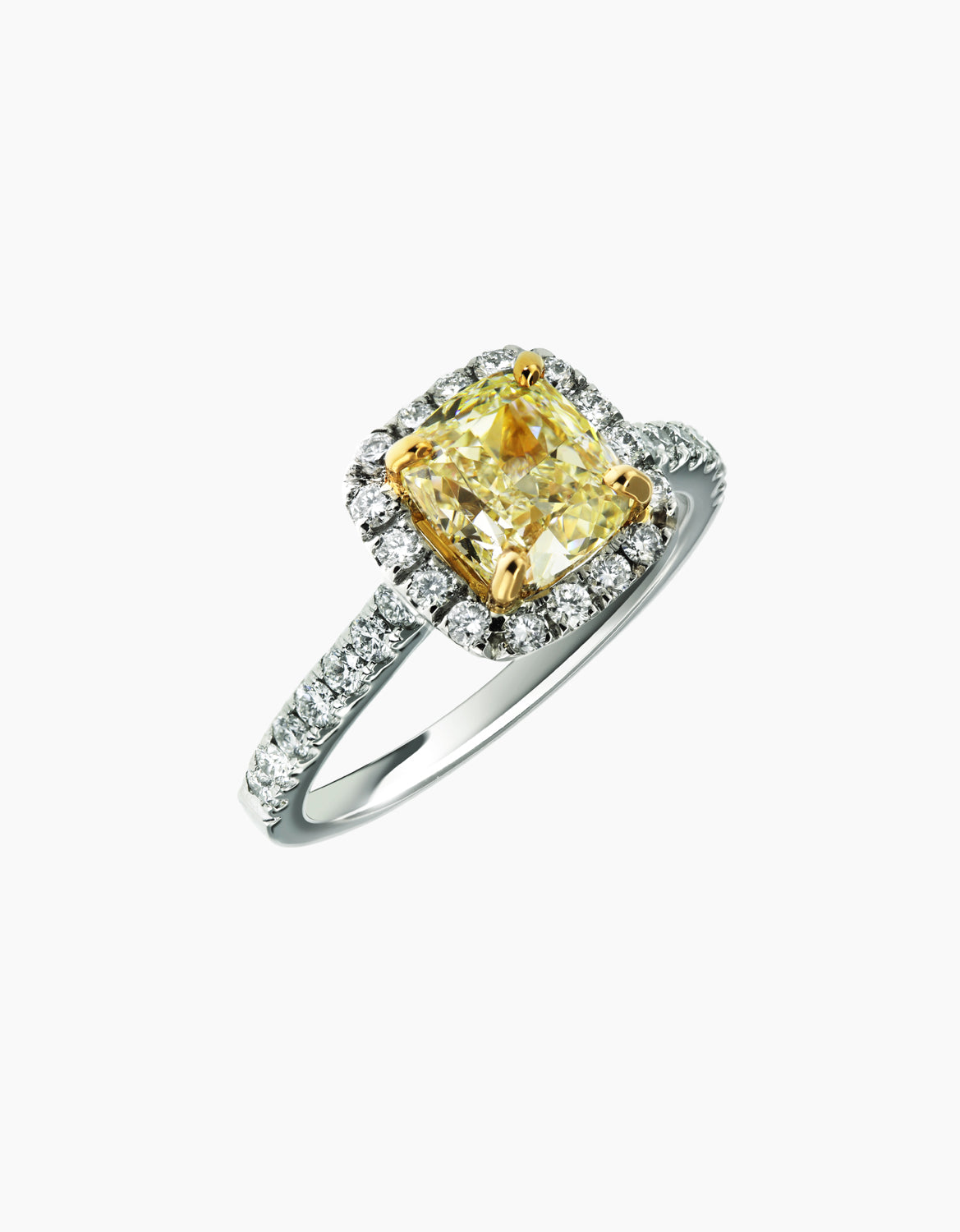
Cleaning Static Diamond and Gold Jewellery: Pieces like Ice Cube rings or diamond pavé pendants can be safely soaked for ten minutes in a bowl of warm water mixed with a few drops of dishwashing soap. Use a baby toothbrush to gently scrub behind stone settings where body lotions and hand creams form an opaque film beneath diamond pavilions. Rinse thoroughly in clean water and pat dry with a soft cloth.
Handling the Happy Diamonds Kinetic Chamber
The patented floating diamond chamber found in Happy Diamonds and Happy Sport designs requires special care to ensure the stones glide without friction.
- Avoid Immersion on 30m Cases: While the internal sapphire cavity is sealed with synthetic gaskets during assembly, water immersion on older or untested dress pieces can force microscopic fluid past aged seals. Water entering this cavity creates surface tension, causing the gold capsules to stick flat against the glass rather than spin freely.
- Chemical and Cosmetic Protection: Perfumes, hairsprays, alcohol sanitizers, and body lotions degrade exterior gasket seals over time. Always apply cosmetic sprays, lotions, and scents first, allowing your skin to dry completely before fastening your jewellery or watch.
- Direct Thermal Shock: Avoid wearing kinetic pieces in saunas, steam rooms, or hot tubs. Rapid shifts from extreme heat to cold cause metal cases and sapphire crystals to expand and contract at different rates, breaking hermetic seals and pulling humid air into the capsule chamber.
Workshop Maintenance and Service Schedules
Routine at-home cleaning keeps the exterior presentable, but professional bench servicing protects internal gears and metal settings from permanent wear.
| Service Discipline | Recommended Frequency | What the Goldsmith or Watchmaker Performs |
|---|---|---|
| Water Resistance Pressure Test | Every 12 to 24 Months | Dry and wet vacuum pressure-testing of the case; checks crown and crystal gaskets to ensure watertight integrity before summer wear. |
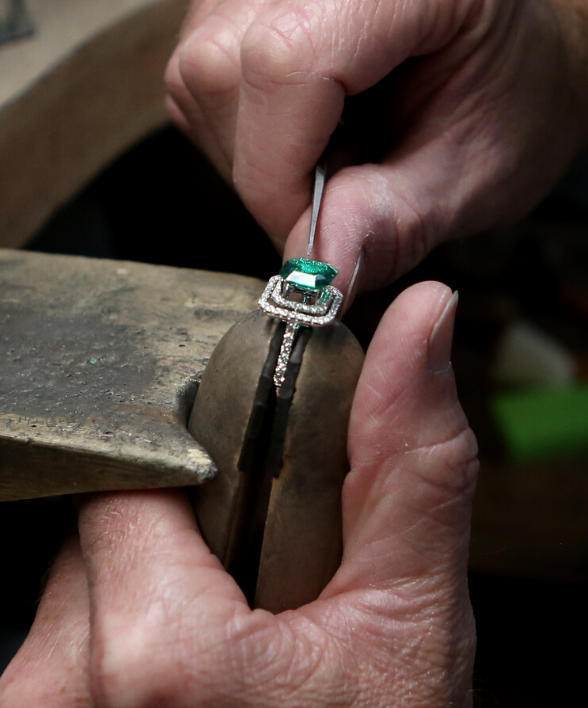
| Prong and Clasp Inspection | Every 12 Months | Goldsmiths check setting claws, spring catches, and safety clasps under a stereo microscope to detect thinning metal or stone play. |
| Battery Replacement (Quartz) | Every 2 to 3 Years | Removal of depleted battery, inspection for chemical leaks, installation of fresh cell, and replacement of rear case-back gasket. |
| Complete Mechanical Overhaul | Every 4 to 6 Years | Total movement disassembly, ultrasonic cleaning of components, replacement of worn gears, re-lubrication with synthetic oils, and COSC timing calibration. |
Storage Fundamentals: Magnetism, Light, and Abrasives
Improper storage causes significant cosmetic wear and timing inaccuracies in luxury collections.
Separation of Precious Metals: Never drop multiple pieces of jewellery together into a single pouch or drawer. Diamonds rank at 10 on the Mohs scale and will easily gouge 18-carat gold (Mohs 2.5 to 3), Lucent Steel, and other gemstones. Store rings, pendants, and bracelets in individual fabric pouches or within velvet-lined compartments in a dedicated jewellery box.
Guarding Against Magnetism: Mechanical watch balance springs are sensitive to magnetic fields. Modern domestic environments contain strong magnetic sources, including tablet cases, wireless charging pads, laptop keyboards, handbag magnetic clasps, and induction cooking tops. Magnetised balance coils cling together, causing the movement to gain minutes or hours every day. Keep mechanical watches at least ten centimetres away from strong permanent magnets.
Winding Mechanical Watches: If you rotate between several automatic watches, let unworn pieces come to a natural stop rather than keeping them on high-speed watch winders continuously, which adds unnecessary wear to the gear train. When picking up a stopped automatic watch, wind the crown manually 20 to 30 turns to build base mainspring tension before setting the hands.
Metal Refinishing: Preservation vs. Over-Polishing
Daily life creates hairline scuffs and contact marks on polished bezels and bracelet clasps. While our workshop can restore metals to a bright mirror finish, polish work should be approached with restraint.
Polishing does not smooth out metal; it removes a microscopic layer of gold or steel to level the surface down to the depth of the scratch. Over-polishing rounds off crisp factory chamfers, thins case lugs, and softens the defined satin graining on pieces like the Alpine Eagle. We advise clients to accept honest surface marks as part of a watch's personal history, reserving full metal refinishing for major five-year service intervals rather than treating every minor mark immediately.
Our in-house workshop team in Aberdeen provides complimentary cleaning, prong audits, and water resistance testing so your pieces remain in peak condition.
Frequently Asked Questions
Can I submerge my Happy Diamonds watch in warm water to clean it?
Never submerge a kinetic watch unless its water resistance seals have been recently pressure-tested by a workshop. Happy Diamonds dress models usually feature 30-metre splash-proof ratings with push-in crowns. Submerging them can compromise gaskets, allowing moisture into the sapphire chamber and causing diamond capsules to stick to the glass. Clean exterior case metal and crystals using a damp microfibre cloth instead.
How often should a mechanical Chopard watch undergo a complete overhaul?
A complete mechanical overhaul is generally recommended every four to six years. Synthetic lubricants inside the gear train break down and dry out over time, increasing friction between steel pivots and ruby jewels even if the watch appears to be running on time.
Why shouldn't I clean emerald or opal jewellery in an ultrasonic bath?
Ultrasonic tanks generate rapid microscopic sound-wave vibrations that dislodge dirt from hard gems like diamonds and sapphires. Softer or included stones like emeralds, opals, and pearls can shatter along natural fracture lines, or lose their internal moisture and clarity-enhancing oils in an ultrasonic bath.
What should I do if the diamonds in my Happy Diamonds piece stop spinning?
Do not shake, hit, or force the piece. Stones usually stop moving due to internal condensation, ingress of microscopic debris, or a deformed gold capsule following an accidental drop. Bring the piece to an on-site workshop where a watchmaker can open the sapphire chamber, clean the internal glass surfaces, and re-balance the capsule bevel.