

 Rings
Rings
 Earrings
 Bracelets & Bangles
 Necklaces & Pendants
 Silver Jewellery


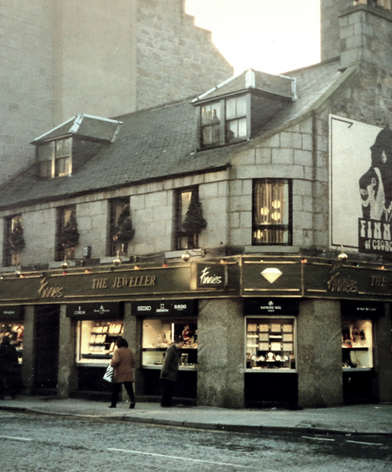 Our Story
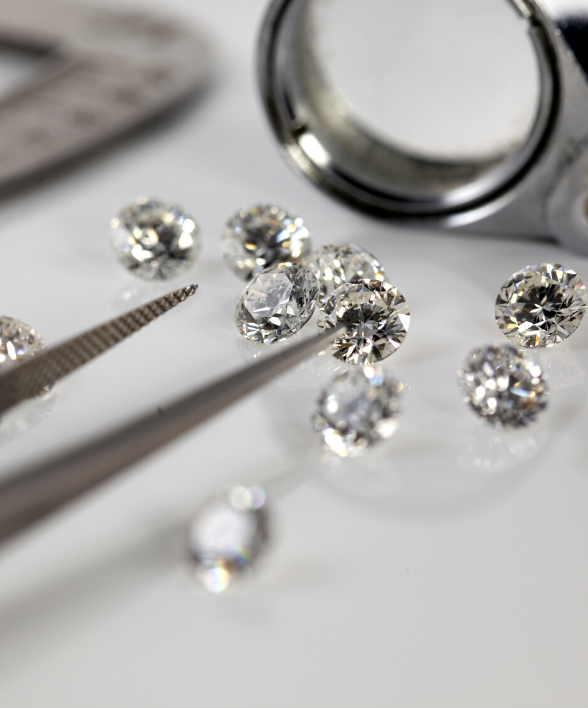 Diamond Buying Guide
 Watch Buying Guide
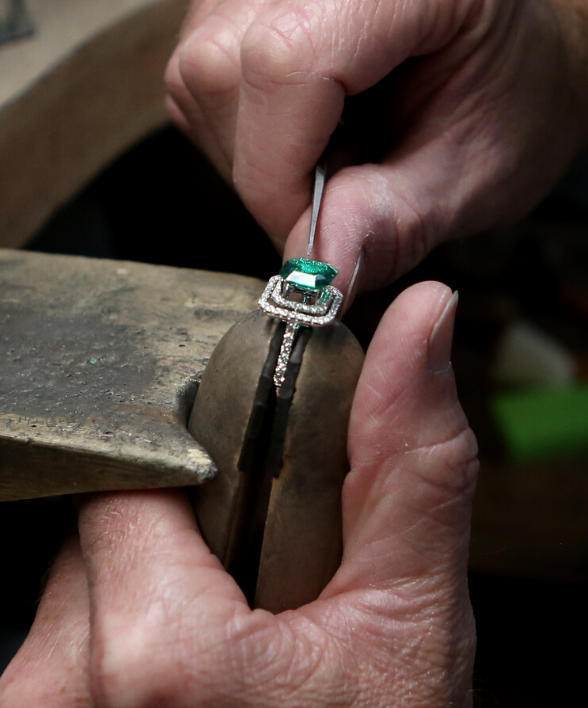 Product Care & Aftercare
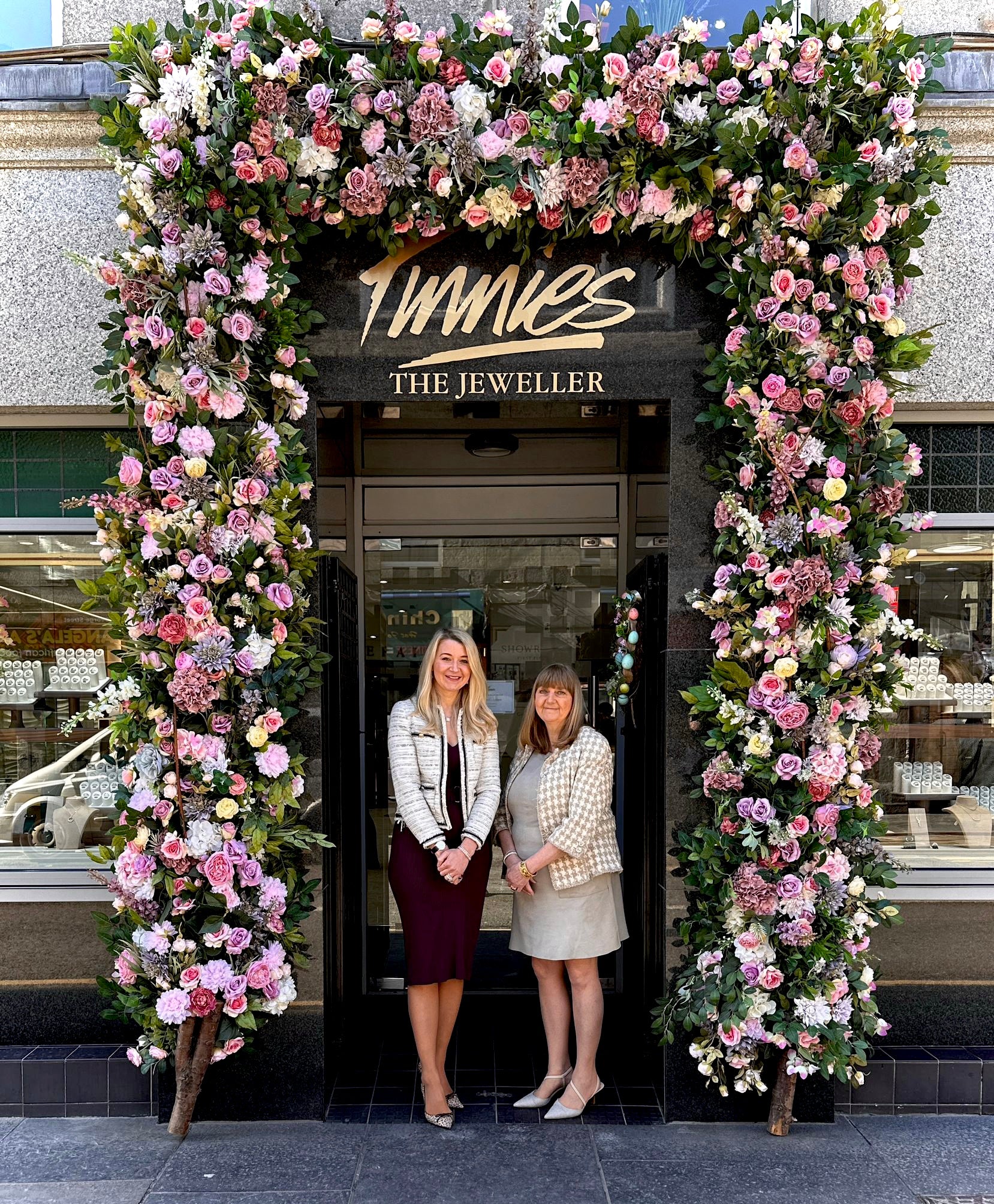 Visit our Showroom
High Society Horology: The Allure Of Chopard Heritage & Cocktail Timepieces
When the sun sets over Mayfair and the chandeliers of the grand ballrooms spark to life, the nature of wristwear undergoes a profound transformation. In these rarefied spaces, time ceases to be measured in fleeting seconds or pragmatic business appointments; rather, it is measured in light, artistic expression, and unadulterated luxury. For generations, discerning collectors and connoisseurs of fine jewellery have turned to high-society evening timepieces to articulate their personal style when black-tie dress codes prevail. At the absolute apex of this horological art form stands Chopard, a maison that has masterfully erased the boundary between high jewellery and precision timekeeping for well over a century.
For the modern collector navigating the world of haute horlogerie, acquiring a vintage or modern evening watch presents a unique set of aesthetic and technical considerations. Unlike contemporary sports watches designed for utilitarian durability, or minimalist daily dress models crafted for boardroom subtlety, high-jewellery evening creations exist in a realm where precious metals, bespoke gem-setting, and sculptural bracelets take centre stage. The contemporary revival of vintage aesthetics has brought renewed attention to these historic creations, leaving many enthusiasts seeking guidance on provenance, wearability, gem quality, and stylistic etiquette.
This comprehensive treatise explores the illustrious world of Chopard's heritage and evening creations. Readers will discover the history of the maison's high-jewellery watchmaking, examine the architectural beauty of integrated gold bracelets, unpack the technical excellence of iconic references such as L'Heure du Diamant, and gain definitive clarity on navigating black-tie dress codes. Whether you are an established collector acquiring your next museum-grade vintage watch or an admirer seeking to understand the nuances of high-jewellery horology, this guide provides the ultimate roadmap.
Core Fundamentals: The Heritage and Artistry of Chopard Evening Horology
To truly appreciate the contemporary allure of evening horology, one must first understand its historical roots. Founded in 1860 by Louis-Ulysse Chopard in Sonvilier, Switzerland, the maison initially earned its reputation through ultra-thin pocket watches and high-precision chronometers. However, the trajectory of the brand shifted dramatically in 1963 when the company was acquired by Karl Scheufele III, a master goldsmith and watchmaker from Pforzheim, Germany. This synthesis of Swiss movement manufacture and German goldsmithing prowess laid the foundation for Chopard’s modern identity as a premier luxury house capable of creating mesmerizing jewellery timepieces.
Throughout the mid-to-late 20th century, evening watches served as both status symbols and canvas for creative experimentation. During the 1960s and 1970s, society events demanded timepieces that functioned primarily as formal jewellery. Dials were often carved from exotic hardstones—such as lapis lazuli, onyx, malachite, and tiger’s eye—and framed by meticulously hand-set brilliant-cut or baguette-cut diamonds. The watch case was no longer a separate component attached to a leather strap; instead, it was seamlessly integrated into handcrafted gold bracelets that mimicked organic textures, woven silk, or bark patterns.
Why does this heritage remain profoundly relevant to today’s collector? High-jewellery timepieces represent a rare convergence of traditional craft skills that are increasingly scarce in modern industrial manufacturing. A single heritage evening watch requires hundreds of hours of painstaking manual labour from master goldsmiths, gem-setters (sertisseurs), lapidaries, and watchmakers. Understanding these foundational techniques enables collectors to distinguish between mass-produced decorative watches and true masterworks of horological art that appreciate in both historical importance and material value.
Furthermore, Chopard's enduring commitment to ethical craftsmanship—demonstrated by their modern transition to 100% Fairmined ethical gold—bridges the gap between historic artistic legacy and contemporary social responsibility. When wearing a heritage piece or a modern high-jewellery creation, the wearer carries a legacy of artistic innovation that has graced red carpets, royal galas, and private salons for decades.
Architectural Splendour: The Golden Age of Integrated Bracelets
The 1970s marked a golden era in watch design, characterized by bold geometry, tactile textures, and the seamless integration of case and bracelet. While steel luxury sports watches frequently dominate modern conversations surrounding this era, it was gold high-jewellery evening watches that originally defined the decade's glamour. Chopard stood at the forefront of this movement, creating fluid, flexible gold bracelets that felt like liquid velvet against the skin while displaying remarkable structural integrity.
The defining characteristic of these historic creations is the total synthesis of form. Rather than attaching a watch head to a strap via standard lugs, goldsmiths crafted the bracelet and case as a single, uninterrupted sculpture. Techniques such as bark finishing, Milanese mesh weaving, and hand-chased chevron patterns gave yellow and white gold an astonishingly organic quality. These surface treatments were not merely decorative; they were engineered to catch and scatter ambient light in candlelit ballrooms and evening receptions.
In contemporary fashion, we are witnessing a massive cultural and stylistic renaissance centered around these mid-century masterpieces. Discerning collectors are moving away from monochromatic steel cases in favour of rich, warm gold tones with intricate metalwork. The revival of interest in 1970s integrated bracelet gold watches highlights a broader cultural shift toward individuality, tactile craftsmanship, and uncompromising glamour in evening attire.
Icons of Elegance: L'Heure du Diamant and Heritage Masterpieces
Among Chopard’s vast archive of evening creations, few collections encapsulate the maison’s mastery of light and form quite like L'Heure du Diamant. Designed as a tribute to the timeless brilliance of diamonds, this line showcases Chopard’s proprietary gem-setting techniques, most notably the crown setting (sertis couronne). This specialized technique elevates each diamond above the bezel, allowing light to flood the stone from every angle—above, below, and laterally—thereby maximizing fire and scintillation.
The architecture of L'Heure du Diamant references draws directly from vintage 1960s and 70s models, featuring classic oval, cushion, and round case geometries framed by substantial, claw-set diamonds. These watches frequently incorporate dials fashioned from mother-of-pearl, hand-guilloché gold, or precious hardstones, paired with finely woven gold bracelets or satin straps. The collection serves as a physical bridge connecting historic haute joaillerie traditions with modern Swiss movement technology.
Understanding the distinction between various reference types, gem weights, and movement choices is essential for serious collectors looking to build a high-society collection. A granular examination of Chopard L'Heure du Diamant references reveals how subtle variations in diamond sizing, bezel proportion, and gold alloy work together to alter the visual impact and formality of each individual piece.
Black-Tie Horology: Navigating Etiquette and Dress Codes
The rules of formal attire have evolved significantly over the past century, yet the underlying principles of black-tie horology remain grounded in elegance, understatement, and respect for the occasion. Traditionally, strictly formal white-tie and black-tie etiquette dictated that a gentleman or gentlewoman should not wear a watch at all, as checking the time was considered a breach of etiquette indicating boredom. However, the rise of the cocktail watch in the 1920s and 30s elegantly bypassed this rule by disguising watches as opulent bracelets or incorporating hidden covers (secret watches).
In modern high society, wearing a watch to a black-tie event is not only acceptable but expected as a key expression of personal style. However, selecting the correct timepiece requires careful consideration. A high-jewellery cocktail watch differs dramatically from a standard daily dress watch in scale, diamond density, material choice, and overall presence. While a daily dress watch relies on slim proportions and understated leather straps to slide under a shirt cuff, a cocktail watch is designed to be seen—a radiant focal point that complements fine jewellery and haute couture evening wear.
Understanding where daily dress watches end and cocktail timepieces begin prevents jarring sartorial missteps. A thorough analysis of cocktail watches vs daily dress watches clarifies how dial complexity, strap materials, and precious stone encrustation dictate whether a timepiece belongs in the board executive suite or at a black-tie gala dinner.
Material Mastery: Precious Metals, Alloy Choices, and Care
The aesthetic character of a heritage or evening watch is overwhelmingly determined by its metal alloy. Yellow gold and rose gold each possess distinct historical contexts, visual warmth, and skin-tone compatibilities that influence how a watch pairs with haute couture garments and other fine jewellery pieces. Historically, 18-karat yellow gold dominated mid-century design, offering a rich, sunlit radiance that defined 1970s luxury. Rose gold, with its subtle copper tone, offers a softer, vintage-inspired romance that has surged in modern popularity.
Beyond visual appeal, preserving high-jewellery timepieces crafted from these precious alloys requires dedicated care and preservation practices. Gold is inherently malleable, and vintage handcrafted bracelets—especially those with delicate bark finishes or intricate mesh weaves—are vulnerable to accidental impact, over-polishing, and dirt accumulation within micro-crevices. Furthermore, gem-set bezels require regular structural checks to ensure claw integrity and stone security.
Selecting between precious alloys and maintaining their pristine condition over decades demands a nuanced understanding of metallurgy and conservation. Discerning owners should explore the technical details of yellow gold vs rose gold vintage jewellery to ensure their acquisitions remain structurally sound and visually brilliant for generations to come.
The Great Rivalry: Chopard and Piaget in the 1970s
No exploration of vintage evening horology would be complete without examining the artistic rivalry that defined the 1970s. During this vibrant decade, two Swiss houses dominated the landscape of high-jewellery timekeeping: Chopard and Piaget. Both houses possessed superior goldsmithing ateliers and shared a passion for push-the-boundary aesthetics, vibrant stone dials, and ultra-thin mechanical movements.
While Piaget captured attention with ultra-thin movements (such as the legendary 9P hand-wound calibre) housed in bold, geometric cases, Chopard distinguished itself through dramatic diamond integration, fluid gold meshwork, and later, revolutionary design concepts like the Happy Diamonds (introduced in 1976). This friendly competitive spirit pushed both brands to unprecedented heights of artistic and technical innovation, creating a golden era of evening timepieces that remains unparalleled today.
For collectors evaluating historic pieces from this iconic era, comparing the design philosophy, movement architecture, and goldsmithing styles of these two powerhouses offers invaluable perspective. Examining Piaget vs Chopard 1970s evening watches reveals how each house shaped modern perceptions of luxury and left an indelible mark on high-society fashion.
Comparative Framework: Evening Watch Typologies and Attributes
To assist collectors in identifying the ideal timepiece for specific social settings and wardrobe styles, the following comparative framework details the structural and visual characteristics across key Chopard heritage and cocktail watch categories:
| Watch Classification | Primary Material & Finish | Gem-Setting Characteristics | Movement Type | Ideal Dress Code & Occasion |
|---|---|---|---|---|
| 1970s Heritage Integrated Mesh | 18k Yellow Gold (Bark, Chevron, or Linen Finish) | Minimalist stone bezel or accent diamonds; Hardstone dials (Lapis, Onyx) | Ultra-thin Manual Wind / Vintage Quartz | Cocktail Parties, Black-Tie Optional, Private Dinners |
| L'Heure du Diamant (Oval/Round) | 18k White, Rose, or Fairmined Yellow Gold | Prong-set crown bezel (sertis couronne); Brilliant-cut diamonds | Manufacture Mechanical / Precision Quartz | Strict Black-Tie Galas, Red Carpet Events, Operas |
| Vintage High Jewellery "Secret" Watch | 18k White Gold / Platinum | Full pavé diamond coverage, marquise/baguette accents | Compact Manual Wind Movement | White-Tie Balls, Diplomatic Receptions, Grand Galas |
| Modern Cocktail Dress Watch | 18k Rose Gold with Satin / Velvet Strap | Diamond-set bezel, mother-of-pearl dial with diamond hour markers | Automatic / Ultra-Thin Mechanical | Theater Openings, Formal Evening Receptions |
Advanced Insights: Sourcing, Authentication, and Collector Best Practices
Acquiring high-jewellery heritage timepieces requires a elevated level of due diligence compared to standard commercial watches. Due to the high value of the intrinsic precious metals and diamonds, vintage evening watches have historically been subject to modifications, re-casing, or aggressive polishing that can permanently alter their historical value. When evaluating a potential vintage acquisition, collectors must inspect several critical factors.
First, verify the integrity of the gold bracelet. Integrated gold bracelets cannot easily be resized without expert goldsmithing intervention. Inspect the clasp for original hallmarks, maker's marks, and purity stamps (such as the Swiss 750 head or maker's cartouche). Check for stretch, broken mesh links, or evidence of crude past solder repairs that disrupt the flow of the gold pattern.
Second, examine the dial and gem-setting. Vintage hardstone dials (lapis lazuli, onyx, malachite) are prone to hairline fractures caused by age or improper servicing. Ensure the dial is original and free from cracks. For gem-set bezels, confirm that all diamonds are uniform in colour (typically F-G grade for Chopard) and clarity (IF-VS), with no mismatched replacement stones added during secondary servicing.
Finally, always request archive extracts or original documentation where available. Chopard maintains comprehensive historical archives that can verify the reference number, production year, original metal type, and factory-set diamond configuration. Partnering with an established, accredited luxury jeweller ensures that every piece in your collection possesses absolute authenticity, provenance, and long-term horological value.
Frequently Asked Questions
What defines a watch as a "cocktail watch"?
A cocktail watch is a specialized high-jewellery timepiece designed primarily as evening adornment. Characterized by precious metals, extensive diamond or gemstone settings, artistic dials, and ornate bracelets, cocktail watches prioritize aesthetic glamour and evening dress code compatibility over utilitarian daily features like high water resistance or luminous hands.
Can vintage Chopard evening watches be worn daily?
While structurally sound, vintage Chopard evening watches feature delicate gold finishes, ultra-thin movements, and non-water-resistant cases that make them best suited for formal occasions, evening events, and special celebrations rather than rigorous daily wear or sporting activities.
How do I know if an integrated gold bracelet can be resized?
Resizing an integrated gold bracelet requires specialized goldsmithing skills. Many vintage models feature ladder clasps that offer minor manual adjustments. For major sizing changes, a master jeweller must carefully remove or add gold mesh sections while re-creating the original surface texture (such as bark or linen finish) to render the seam invisible.
Are modern Chopard L'Heure du Diamant watches considered good investments?
Chopard L'Heure du Diamant timepieces represent the pinnacle of high-jewellery horology, retaining substantial value due to their exceptional diamond quality (IF-VVS clarity, F-G colour), high gold weight, and iconic status within the house's permanent repertoire. Their classic design ensures long-term collector demand.
What is the proper etiquette for wearing a watch to a black-tie event?
For black-tie events, etiquette dictates wearing a refined dress watch or high-jewellery cocktail watch that complements your eveningwear. The watch should fit comfortably beneath a dress cuff or jacket sleeve, featuring precious metal construction and elegant strap or bracelet styling that harmonizes with your other jewellery pieces.