

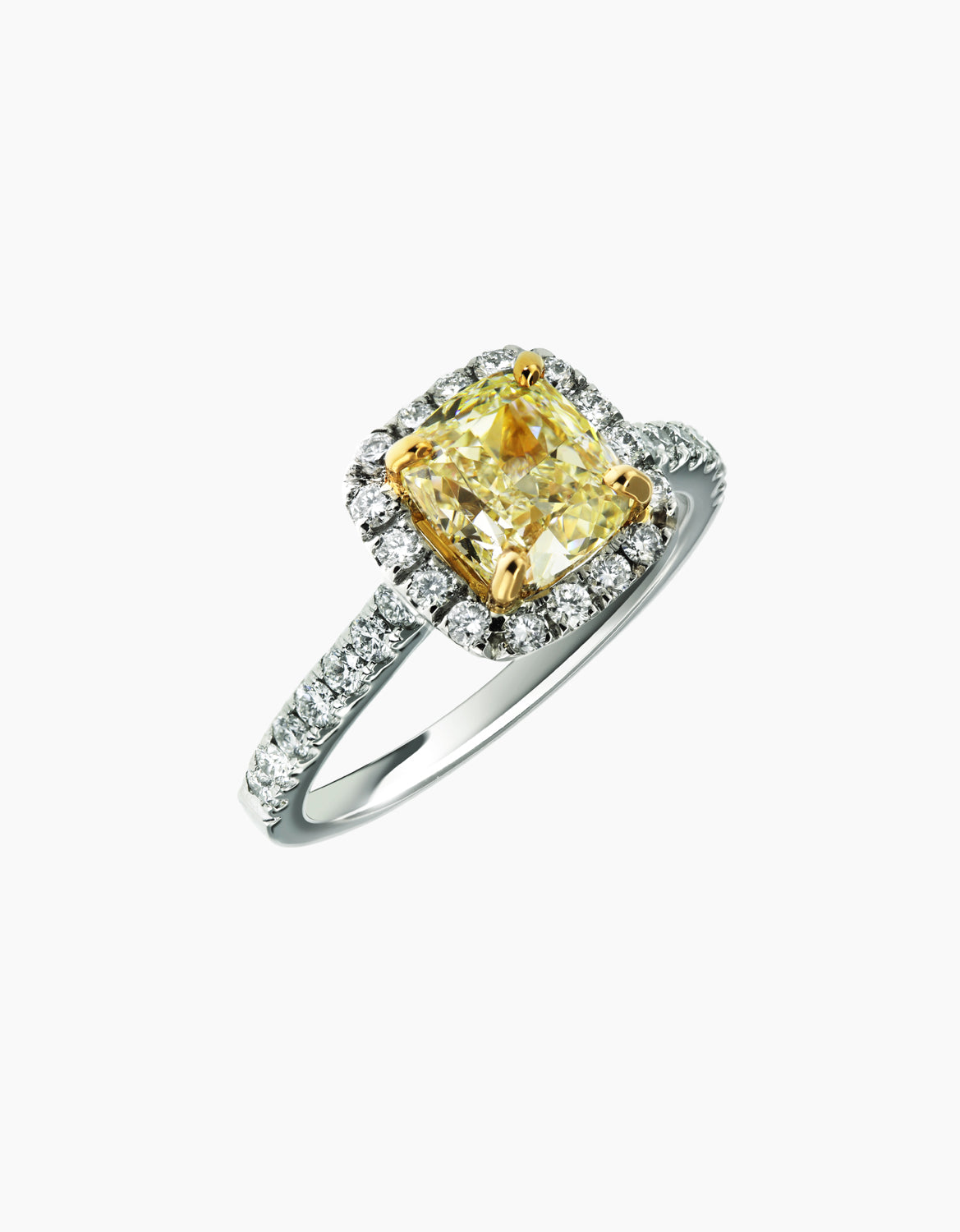
 Rings
Rings
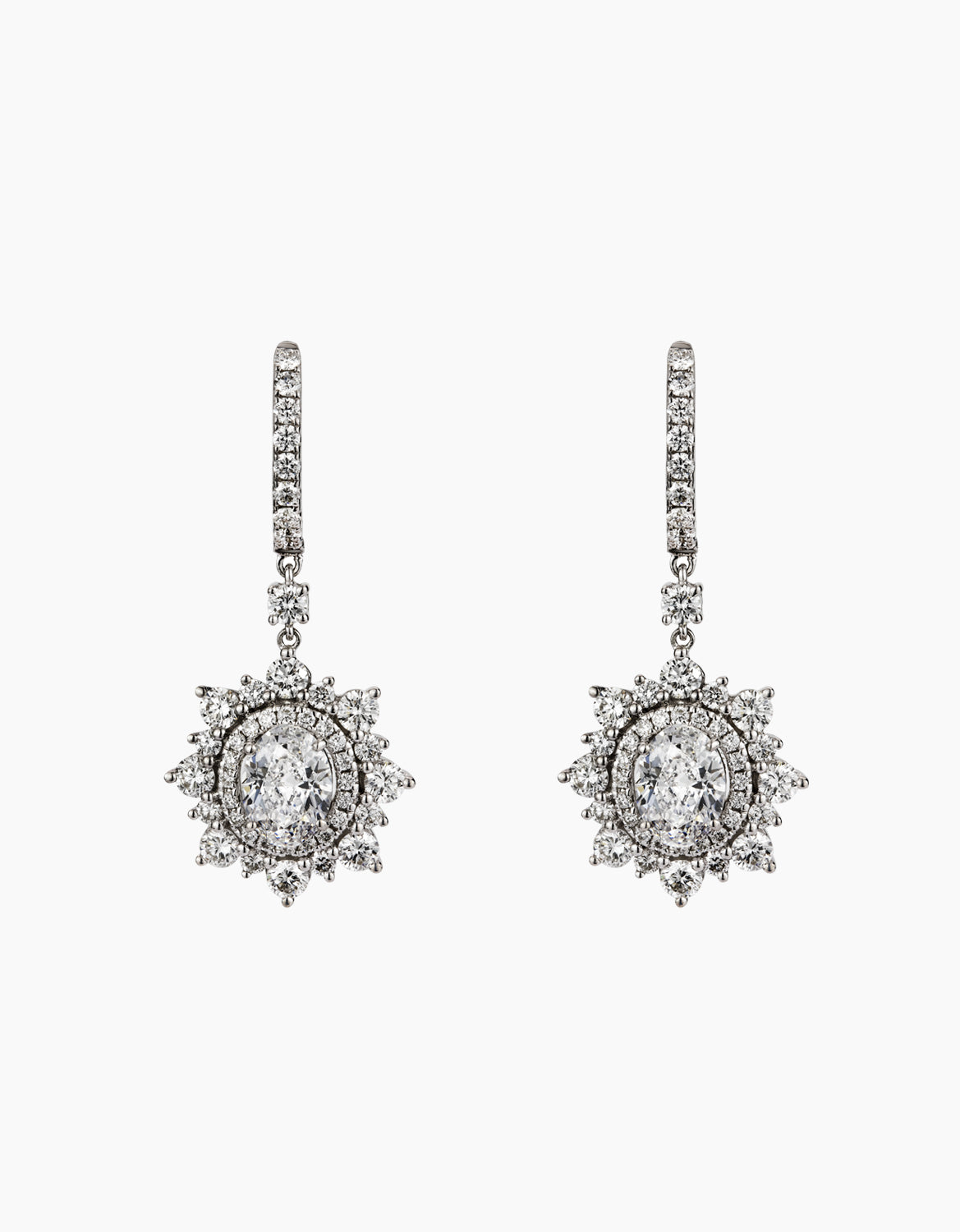 Earrings
 Bracelets & Bangles
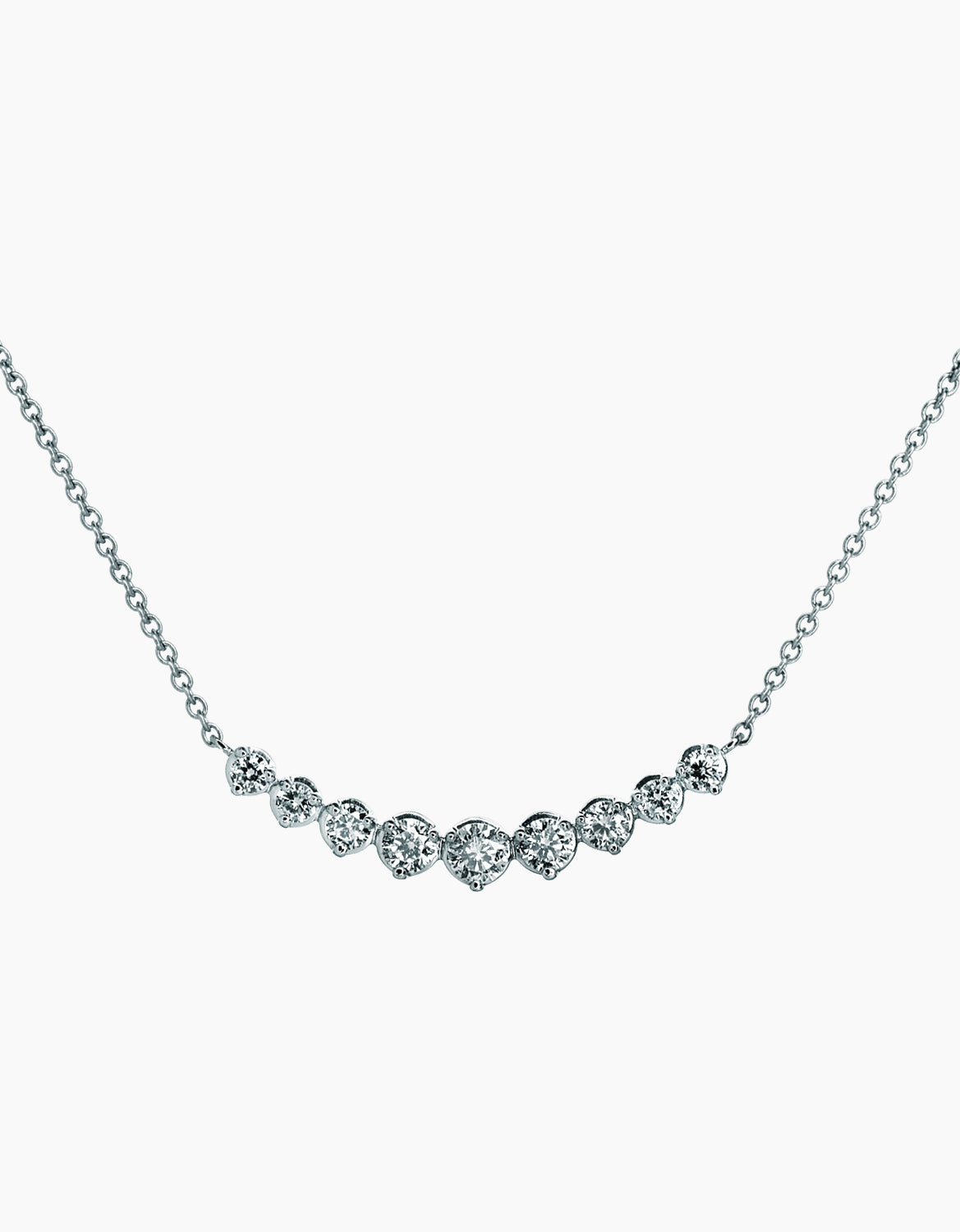 Necklaces & Pendants
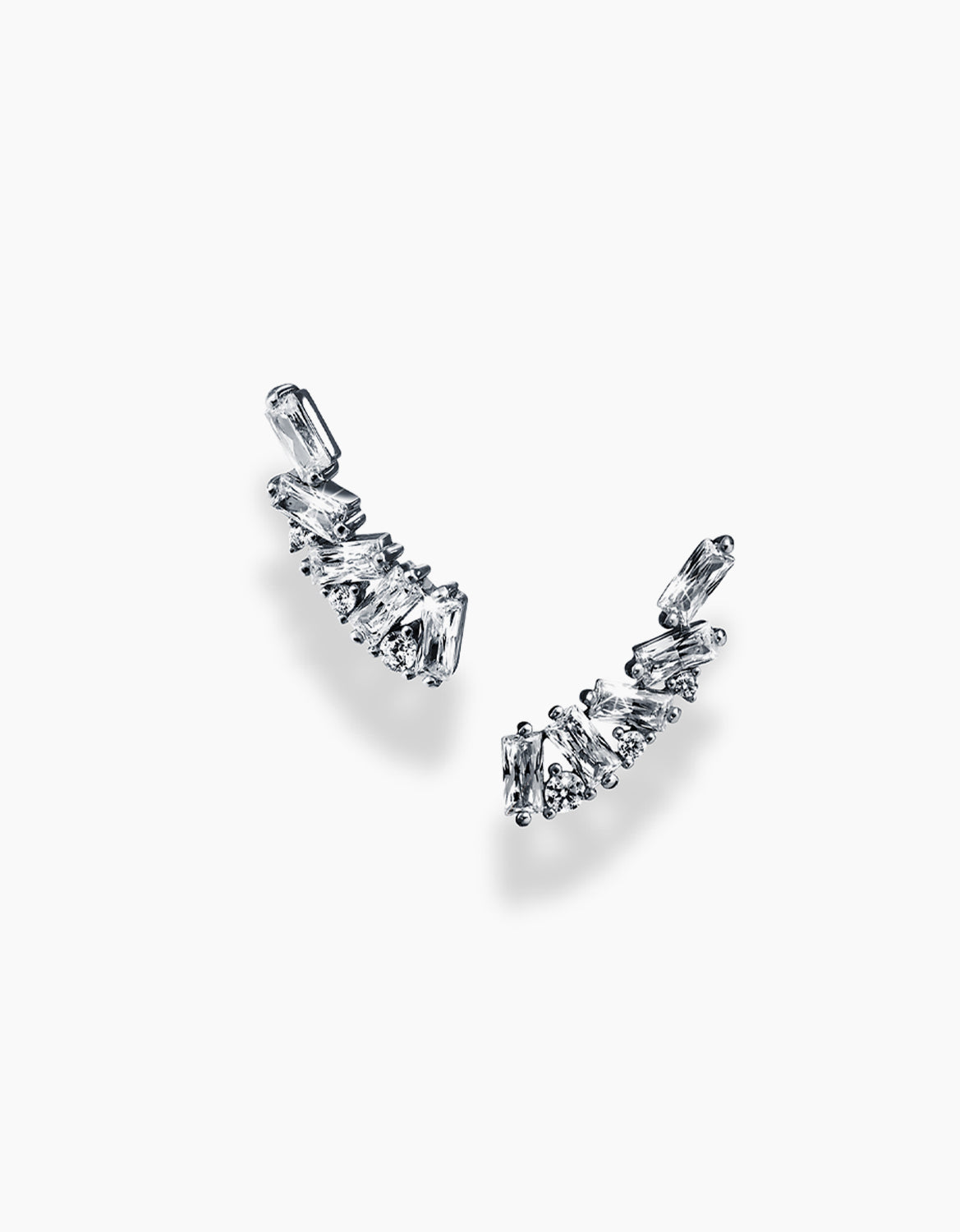 Silver Jewellery


 Our Story
 Diamond Buying Guide
 Watch Buying Guide
 Product Care & Aftercare
 Visit our Showroom
Navigating a luxury watch catalogue involves far more than picking an attractive dial colour. A timepiece is an everyday mechanical instrument that must sit comfortably against your wrist bone, fit under a tailored sleeve, and house a movement calibrated to your daily lifestyle. Overlooking practical dimensions like vertical lug-to-lug span or mechanical power reserves often leads to buying a piece that looks balanced in a display case but feels cumbersome in daily wear.
The contemporary portfolio of Chopard spans four distinct categories: integrated luxury sports watches, kinetic gem-set timepieces, automotive chronographs, and high-horology dress models. This guide breaks down the physical dimensions, internal calibres, and ergonomic factors that dictate how these pieces perform on the wrist.
Understanding Wrist Sizing and Lug-to-Lug Proportions
Case diameter alone gives an incomplete picture of watch scale. Two watches measuring 41mm across can feel entirely different on the arm depending on their case geometry, lug design, and vertical height.
- Nominal Case Diameter: The traditional horizontal measurement across the case from 9 o'clock to 3 o'clock, excluding the crown and crown guards.
- Lug-to-Lug Distance: The vertical measurement from the tip of the top strap attachment to the tip of the bottom attachment. This is the single most important number for comfort. If the lug-to-lug measurement exceeds the flat surface width of your wrist, the watch lugs will overhang, causing the bracelet to pull downward awkwardly.
- Case Thickness: The vertical depth of the watch from the case back to the top of the crystal. Slim profiles under 10mm slide smoothly beneath buttoned shirt cuffs, while sports chronographs exceeding 12mm project a taller, more pronounced presence.
- Integrated Bracelet Flare: Watches with integrated bracelets, such as the Alpine Eagle, do not bend immediately at the spring bar. The first link extends outward slightly before articulating downward, effectively increasing the perceived lug-to-lug footprint by 2mm to 4mm.
Core Chopard Case Sizes and Wrist Recommendations
Matching your physical wrist circumference to the right case profile prevents buying remorse and ensures long-term wearability.
| Collection | Case Sizes Available | Case Profile & Thickness | Recommended Wrist Circumference |
|---|---|---|---|
| Happy Sport | 30mm, 33mm, 36mm | 9.8mm to 12.0mm (Double sapphire chamber) | 14.0cm to 17.5cm (5.5 in to 6.8 in) |
| Alpine Eagle | 33mm, 36mm, 41mm, 44mm XL | 7.95mm (XP/33mm) to 13.15mm (Chrono) | 14.5cm to 20.0cm+ (5.7 in to 7.8 in+) |
| Mille Miglia | 40.5mm Classic, 43mm GTS | 11.4mm to 13.0mm (Domed sapphire glassbox) | 16.5cm to 19.5cm (6.5 in to 7.6 in) |
| L.U.C Classic & XPS | 36.5mm, 40mm | 7.2mm to 10.5mm (Ultra-thin dress profile) | 15.0cm to 18.5cm (5.9 in to 7.2 in) |
Mechanical vs. Quartz: Choosing Your Movement
Behind the dial, Chopard separates its collections across three mechanical tiers: proprietary in-house calibres, modified Swiss chronometer movements, and high-precision quartz units.
In-House Automatic Calibres: Produced at Fleurier Ebauches and Chopard Manufacture in Geneva, these movements showcase complete independence from external suppliers. The Calibre 01.01-C (found in the 41mm Alpine Eagle) delivers a 60-hour power reserve with chronometer-certified timing. For smaller cases, the Calibre 09.01-C provides a compact automatic build with a 42-hour reserve, packing genuine mechanical engineering into petite 33mm cases without sacrificing durability.
L.U.C Micro-Rotor Engineering: For purists seeking high-horology finishing, L.U.C calibres feature an off-centre 22-carat gold micro-rotor. By recessing the winding rotor flush into the mainplate bridges, watchmakers achieve total movement thicknesses under 3.5mm while maintaining two stacked barrels that provide up to 65 hours of power reserve.
Swiss Quartz Calibres: Featured in select 30mm and 33mm Happy Sport dress variants, quartz units use a battery-powered quartz crystal oscillating at 32,768 Hz. While quartz lacks the intricate gears of mechanical horology, it offers practical daily advantages: the watch requires no winding after sitting unworn, keeps time within seconds per month, and requires only battery and seal replacements every two to three years.
Key Calibre Reference Specifications
Understanding the internal engine gives you direct clarity on maintenance cycles, winding behaviour, and weekend autonomy.
| Calibre | Winding System | Power Reserve | Frequency | Certification / Hallmarks |
|---|---|---|---|---|
| Chopard 01.01-C | Automatic (Central rotor) | 60 Hours | 28,800 vph (4 Hz) | COSC Chronometer |
| Chopard 09.01-C | Automatic (Compact rotor) | 42 Hours | 25,200 vph (3.5 Hz) | High-grade in-house standard |
| L.U.C 96.01-L / 96.40-L | Automatic (22ct Gold micro-rotor) | 65 Hours | 28,800 vph (4 Hz) | COSC Chronometer & Poinçon de Genève |
| Chopard 03.05-C | Automatic Flyback Chronograph | 60 Hours | 28,800 vph (4 Hz) | COSC Chronometer (Column wheel) |
Case Metal Ergonomics: Lucent Steel vs. Ethical Gold
The material of the case directly influences both the physical weight and the scratch resistance of the piece over time.
An 18-carat gold watch is dense. Gold has a specific gravity nearly double that of steel, giving solid gold models a reassuring, substantial weight on the arm. If you prefer a lighter profile that disappears during active daily movement, Lucent Steel provides superior tensile lightness and structural resistance.
Lucent Steel also delivers practical hardness benefits for first-time luxury buyers worried about scuffing their watch. With a rating of 223 on the Vickers hardness scale, it resists desk-diver hairlines and surface knocks roughly 50 percent better than standard 316L stainless steel, while maintaining a brilliant white flash that rivals noble metals.
Practical Advice for the First-Time Buyer
When choosing between sizes, keep these three bench guidelines in mind during your research:
- Evaluate the Flat Top of the Wrist: Do not measure only the circular circumference of your arm with a soft tailor's tape. Use a rigid ruler to measure the flat width across the top of your wrist bone. Your ideal lug-to-lug span should leave at least 2mm to 3mm of clearance inside that flat edge.
- Consider Your Daily Routine: If you plan to wear the watch every day at a desk or in active settings, prioritize water resistance of at least 50m to 100m and opt for a steel or rubber strap. If the watch marks evening celebrations or milestones, a 30m splash-proof rating on an alligator strap provides ideal elegance.
- Avoid Oversizing for the Sake of Fashion: High-street trends often push buyers toward oversized cases. Classic proportions that sit comfortably flush against the skin survive changing fashion eras and retain higher appeal for decades.
Our workshop team can adjust bracelets, check case tolerances, and walk you through movement calibres in our Aberdeen showroom, or you can browse the collection online.
Frequently Asked Questions
How do I know whether an integrated bracelet watch will fit my wrist?
Integrated designs like the Alpine Eagle lack traditional strap hinges, meaning the first link extends past the case edge before articulating downwards. If your wrist width is narrower than the overall span of that first link structure, the watch will create an unnatural gap on the sides. Measuring across the flat top surface of your wrist gives a reliable benchmark before selecting a 36mm or 41mm case.
Is an in-house automatic movement always better than a quartz calibre?
Not necessarily. Automatic mechanical calibres offer horological tradition, sweeping second hands, and lifelong serviceability at the bench. High-grade Swiss quartz calibres provide superior daily grab-and-go accuracy, zero winding requirements, and slimmer case profiles that suit smaller dress dimensions.
Can extra links be added or removed from metal bracelets on-site?
Yes. In our workshop, goldsmiths and watchmakers adjust solid gold and Lucent Steel link bracelets directly. Screwed link pins allow micro-adjustment to achieve an exact balance around the wrist bone without scratching the polished chamfers.
Does case thickness affect how large a watch wears?
Yes. A watch with a 13mm case profile, such as a Mille Miglia chronograph, sits higher on the wrist and catches shirt cuffs more readily than an ultra-thin 8mm Alpine Eagle XP or an 11mm Happy Sport, even when their nominal case diameters appear identical on paper.