

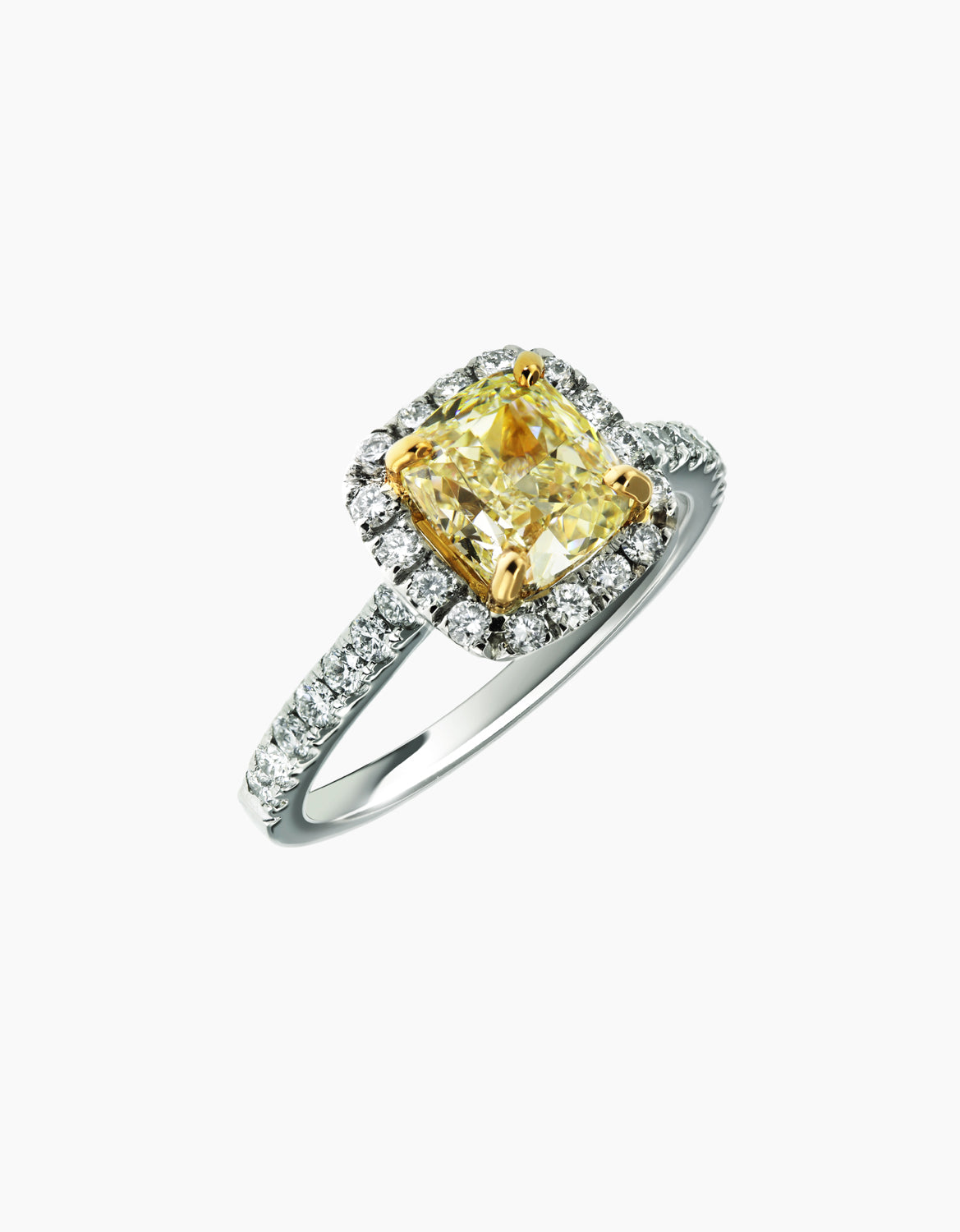
 Rings
Rings
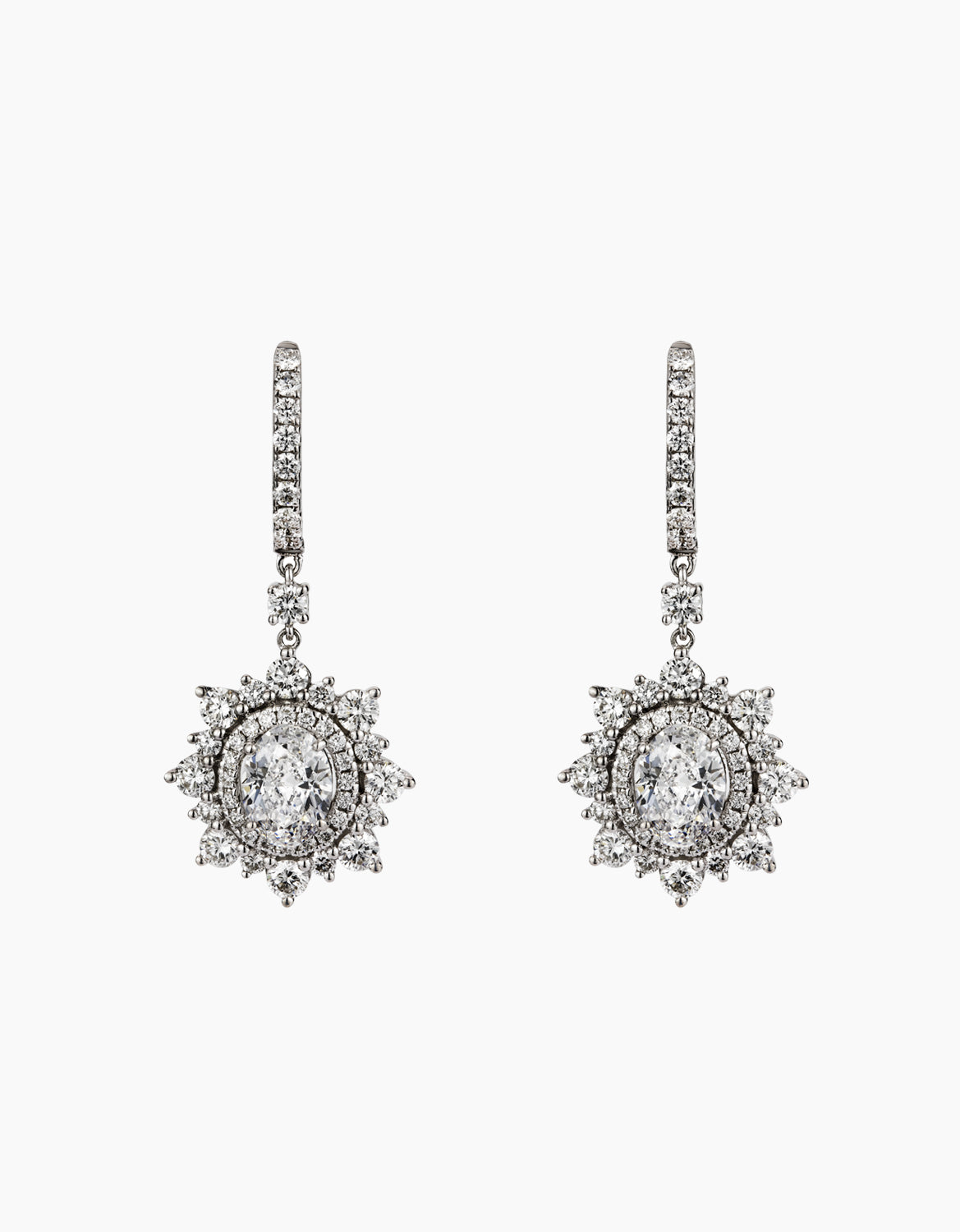 Earrings
 Bracelets & Bangles
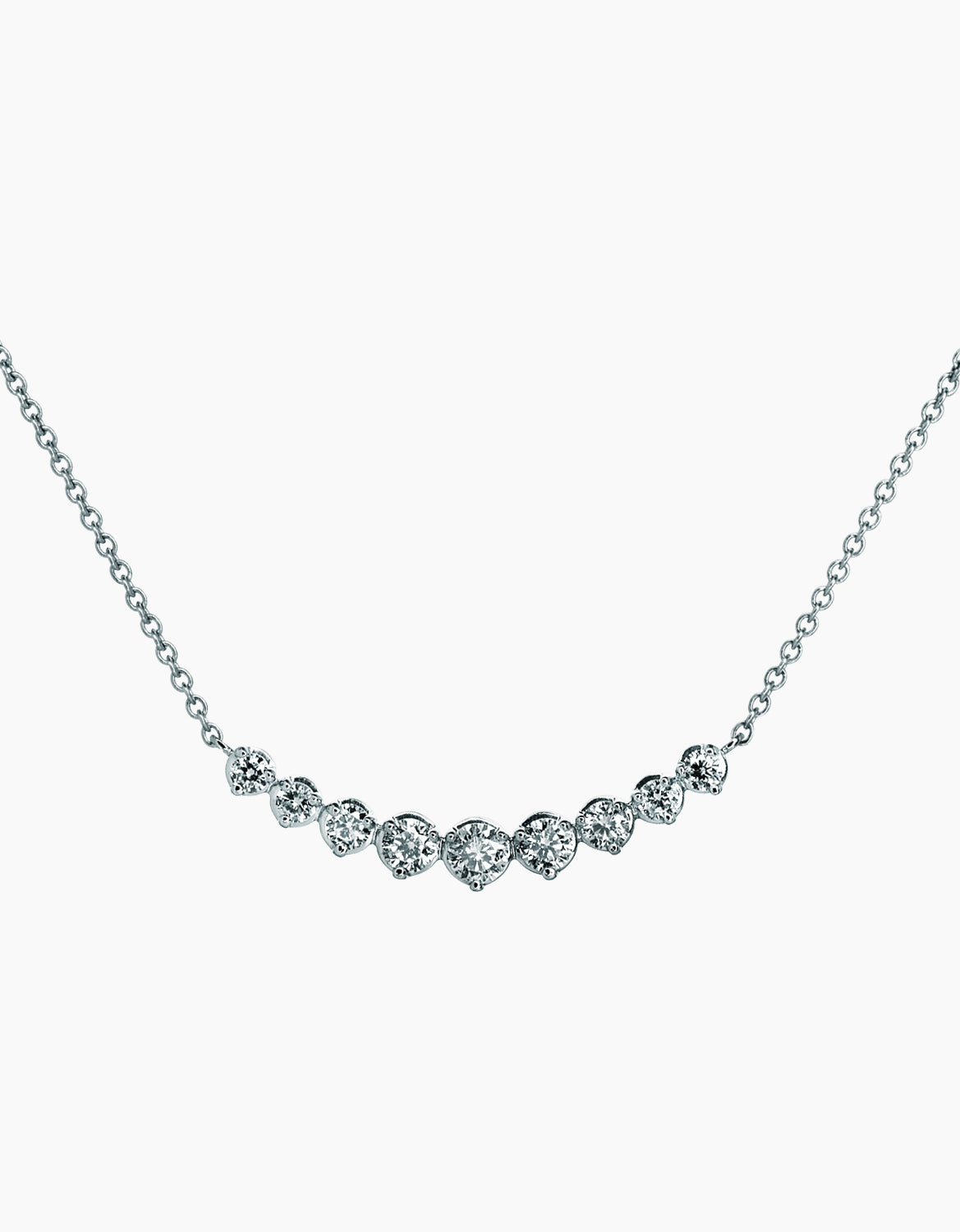 Necklaces & Pendants
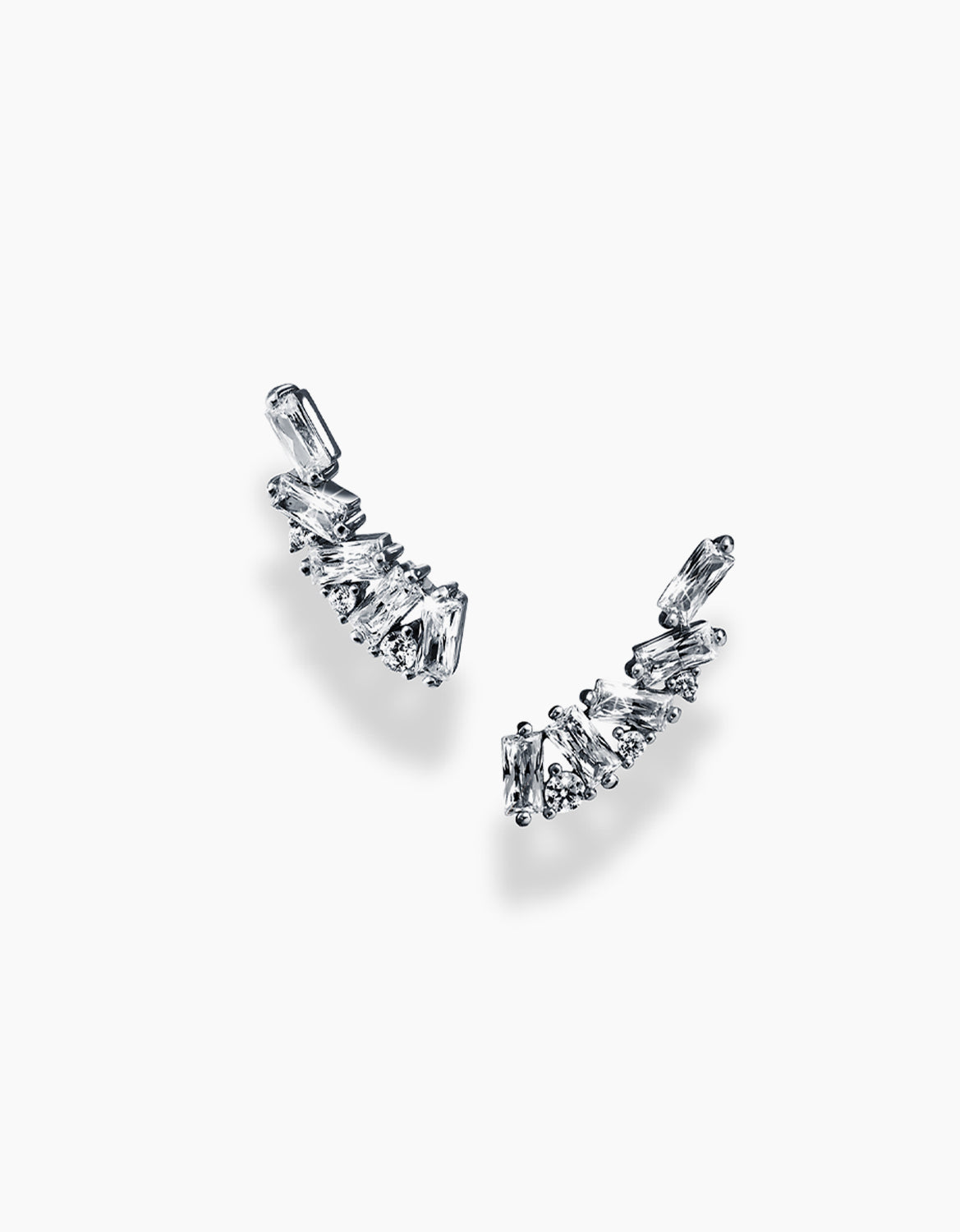 Silver Jewellery


 Our Story
 Diamond Buying Guide
 Watch Buying Guide
 Product Care & Aftercare
 Visit our Showroom
Behind fine jewellery lies the balance between artisanal tradition and industrial precision. When investing in an 18-carat gold bracelet or an expandable ring, buyers often look past surface branding to understand the workshop lineage behind the piece. Knowing where precious metals are alloyed, who machines the links, and how a design survived decades of bench trials provides genuine confidence in a lifetime purchase.
The story of Italian goldsmith Fope is rooted in Vicenza, one of the historic centres of European jewellery manufacturing. Spanning nearly a century and guided by four generations of the Cazzola family, the atelier moved from hand-crafted watch casings to patented expandable gold mechanisms. Examining this four-generation timeline reveals how industrial tooling and traditional bench craft shaped the brand's signature collections.
1929: Umberto Cazzola and the Vicenza Workshop
The company began in 1929 when goldsmith Umberto Cazzola opened his first artisanal workshop in Vicenza with a small team of craftsmen. Vicenza, located in the Veneto region, already carried centuries of goldsmithing heritage influenced by classical Renaissance metalworking and Palladian architectural balance.
In those early decades, the atelier operated primarily as a specialist supplier to the horological trade. Swiss watch houses relied on Northern Italian workshops to manufacture solid gold watch cases, articulated clasps, and metal bands. This initial focus on horology required strict mechanical tolerances. While traditional jewellery allowed for hand-bent variations, watch components demanded exact millimeter measurements to ensure case hermetics and hinge alignment, establishing an engineering discipline that guided the company for decades.
The Second Generation: Odino Cazzola and Industrial Specialisation
Following the Second World War, Umberto’s son, Odino Cazzola, joined the business and guided a major structural transformation. Recognizing that post-war watchmaking demanded modern fabrication methods, Odino invested heavily in specialized machinery and automated tooling.
Operating under the business title FICM (Fabbrica Italiana Cinturini Metallici), the workshop specialized in flexible and expandable metal watchstraps. Odino engineered novel ways to link metal components without visible solder seams, producing bracelets that articulated smoothly around the wrist without catching hairs or clothing.
In the late 1950s, the company established the brand name FOPE—an acronym for Fabbrica Oreficeria Preziosi Esportazione (Factory of Jewellery Precious Export). This name marked an intentional transition from regional contract supplier to an independent manufacturer creating fine jewellery for international markets.
Generational Timeline of Manufacturing Milestones
The table below traces the key technological breakthroughs across four generations of the founding family.
| Era / Generation | Leadership | Technical and Manufacturing Milestone |
|---|---|---|
| 1929–1940s (1st Gen) | Umberto Cazzola | Opening of the initial Vicenza workshop; specialist production of fine gold watch cases and clasps for Swiss horological brands. |
| 1950s–1970s (2nd Gen) | Odino Cazzola | Transition to an industrial factory; invention of flexible watchstraps and creation of the FOPE brand identity. |
| 1980s–2000s (3rd Gen) | Umberto & Ines Cazzola | Invention of the solder-free 1985 Novecento mesh; development and 2007 patenting of the Flex'it 18ct gold micro-spring system. |
| 2010s–Present (4th Gen) | Giulia Cazzola & Family | Global brand expansion, Responsible Jewellery Council certification, and listing on the Milan Stock Exchange (Euronext Growth). |
1985: The Novecento Mesh Breakthrough
By the late 1970s, third-generation siblings Umberto and Ines Cazzola recognized that consumer tastes were moving toward wearable, versatile jewellery suitable for daily business and leisure. In 1985, they introduced the Novecento mesh, a design that became the visual foundation of the brand.
Traditional gold chains rely on cast links linked together by open jump rings that are closed with torch solder. Every solder joint creates a minor metallurgical change, making the metal stiffer and more brittle at the joint. The Novecento design eliminated torch soldering along the chain length.
Using custom machinery designed exclusively for the Vicenza atelier, goldsmiths wove hollow 18-carat gold tubular elements into a continuous, interlocking pattern. The components locked together mechanically, creating a chain that draped like a fluid silk ribbon across the collarbone or wrist while providing high tensile strength.
2007: The Flex'it Patent and Mechanical Freedom
While the Novecento mesh was flexible, bracelets still required conventional lobster catches or box clasps to stay closed. In the early 2000s, the workshop began testing ways to remove mechanical clasps entirely, solving the daily hassle of one-handed fastening.
The breakthrough arrived in 2007 with the launch of the Flex'it system. By concealing dozens of microscopic 18-carat gold springs inside the hollow cavities of the Novecento weave, the workshop created an expandable chain with elastic memory. The bracelet rolls over the hand, expanding by up to 30 percent, before contracting securely around the wrist.
Crafting these internal springs entirely from noble 18-carat gold—rather than industrial steel—required proprietary work-hardening techniques to ensure the springs would not lose tension or corrode over years of daily wear.
Modern Production: Robotics and Bench Craft Under One Roof
Today, the company operates from its expanded headquarters in Vicenza. Unlike many international jewellery labels that outsource manufacturing to third-party factories across multiple continents, every phase of production remains in-house.
- In-House Metallurgy: The atelier melts its own gold grains, alloying pure 24-carat gold with silver, copper, and palladium to produce consistent 18-carat yellow, white, and rose formulations.
- Automated Precision Weaving: Proprietary multi-axis robotic machines weave the intricate gold links with micron-level consistency, maintaining uniform wall thicknesses across hollow tubes.
- Hand Bench Finishing: Master goldsmiths assemble internal spring tracks, inspect link articulation, and hand-set certified diamonds into solid gold rondels under stereo microscopes.
- Responsible Sourcing: The company is a certified member of the Responsible Jewellery Council (RJC), meeting audited standards for ethical supply chains, environmental stewardship, and human rights.
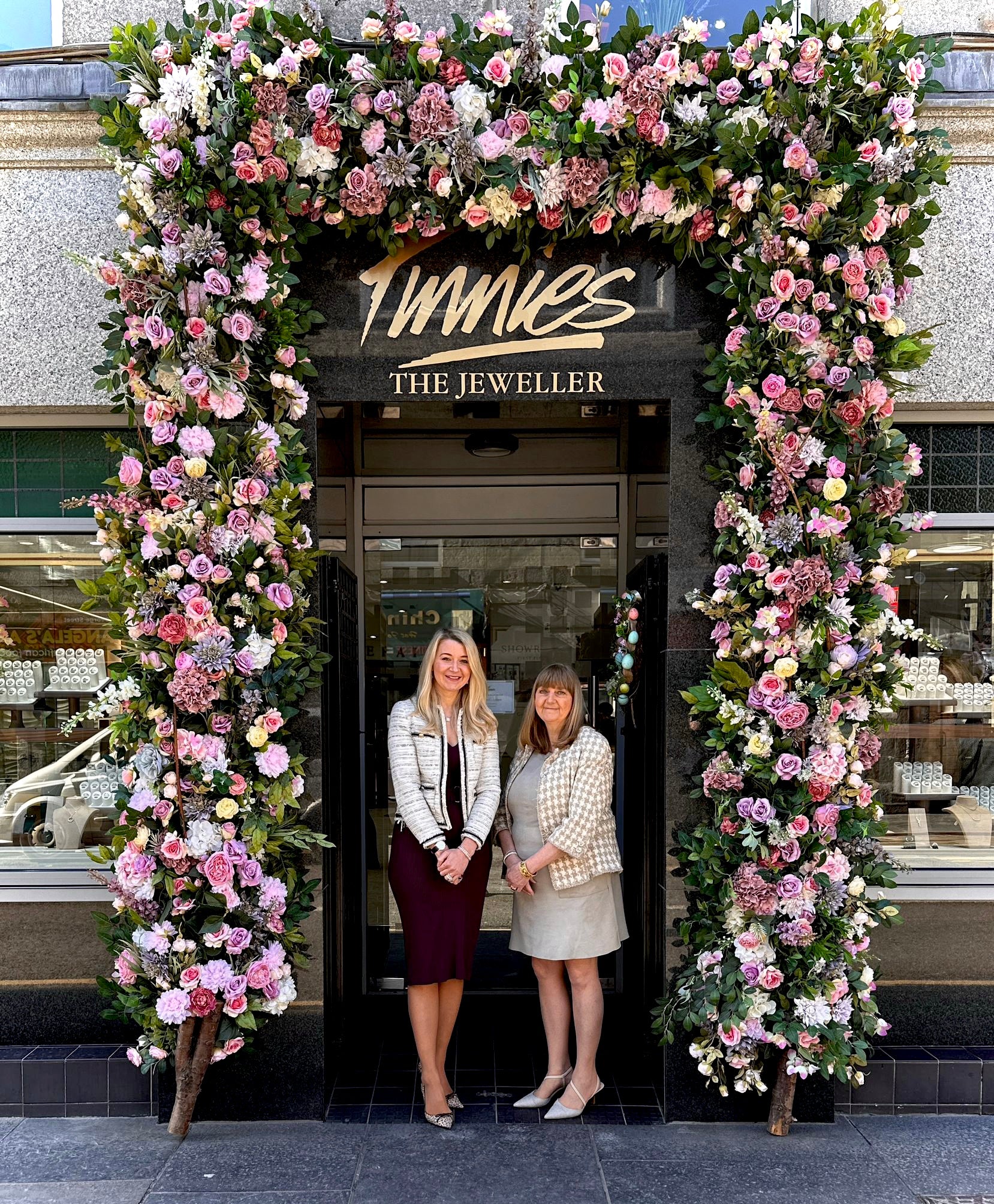
You can try on the historic collections, test the Flex'it mechanism, and consult our non-commissioned team in our Aberdeen showroom or explore the pieces online.
Frequently Asked Questions
Is all FOPE jewellery manufactured in Italy?
Yes. Every piece of FOPE jewellery is designed, engineered, and assembled under one roof in the company’s manufacturing headquarters in Vicenza, Italy. The atelier keeps all metallurgy, automated link fabrication, assembly, and diamond setting on-site to ensure strict quality control.
What does the acronym FOPE stand for?
The name originated in the late 1950s as an acronym for Fabbrica Oreficeria Preziosi Esportazione, which translates to Factory of Jewellery Precious Export. It reflected the Cazzola family's ambition to transition from regional contract fabrication to international fine jewellery distribution.
What made the 1985 Novecento mesh such a significant innovation?
Unlike standard cast chains that rely on soldered jump rings, the Novecento weave interlocks hollow 18-carat gold components mechanically without solder seams. This creates a flexible, ribbon-like tubular chain with no brittle heat points, providing exceptional durability for everyday wear.
Is FOPE still run as a family business?
Yes. Founded in 1929 by Umberto Cazzola, the company remains guided by the fourth generation of the founding family, preserving the continuity of its bench craft traditions and technical research culture.