

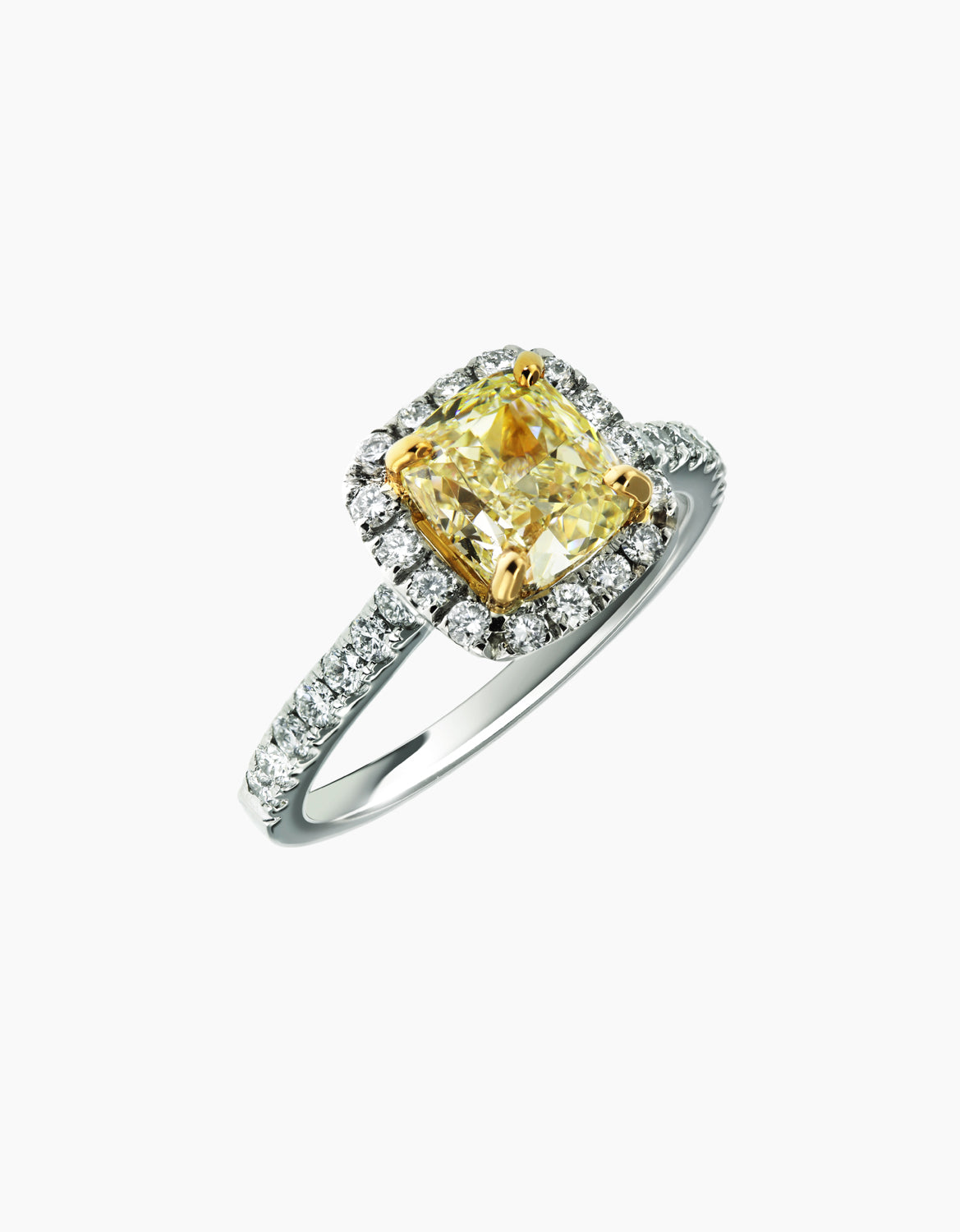
 Rings
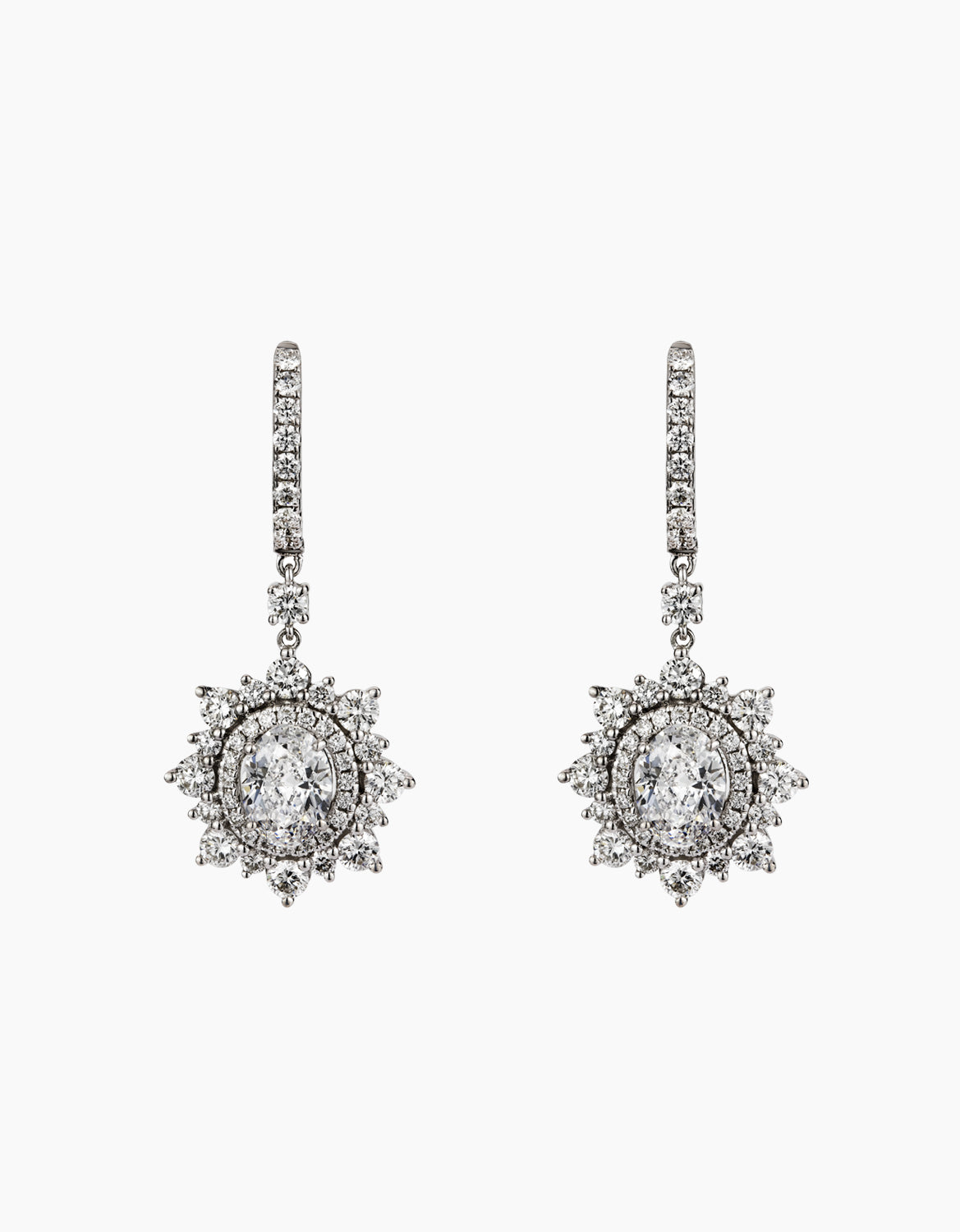 Earrings
 Bracelets & Bangles
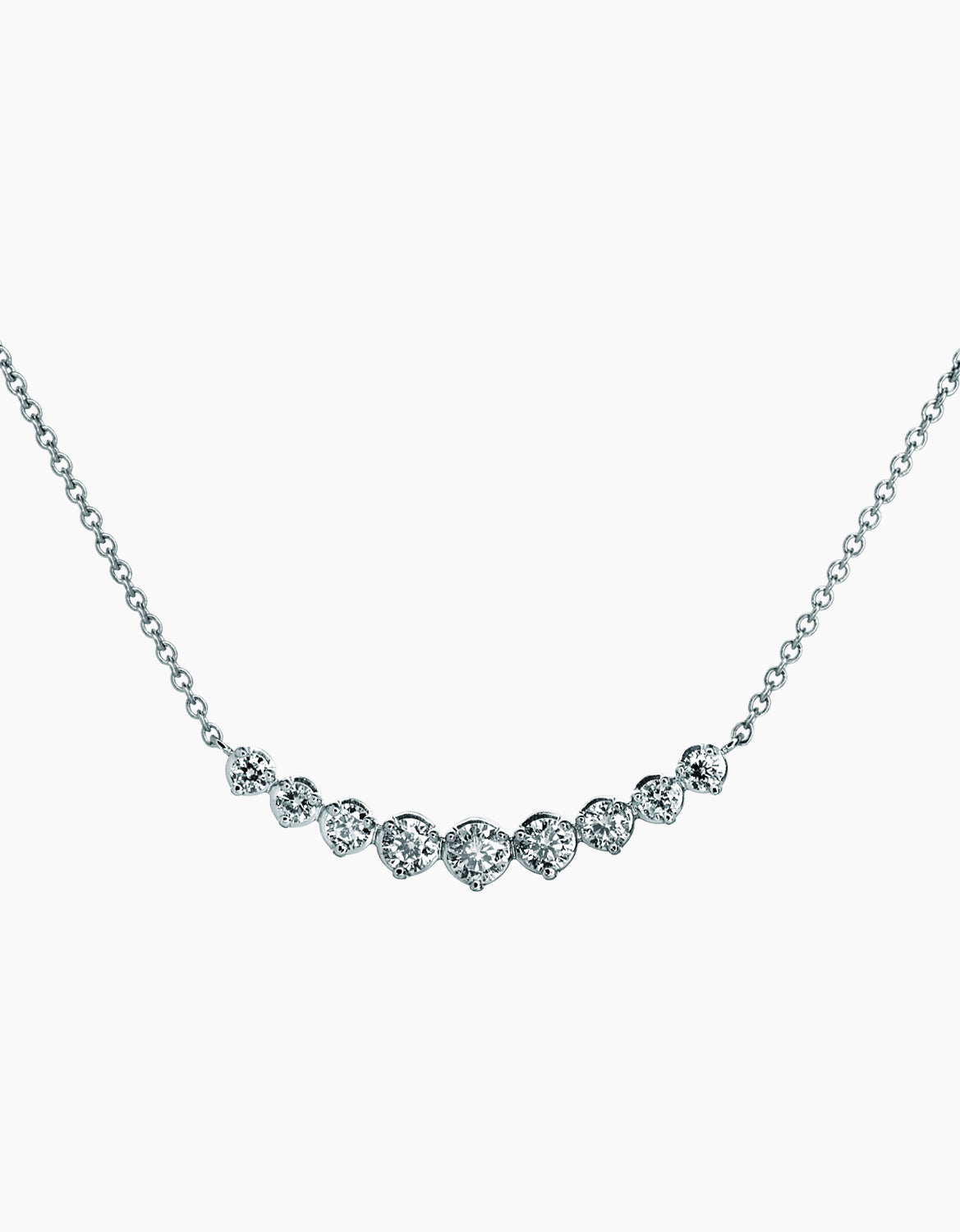 Necklaces & Pendants
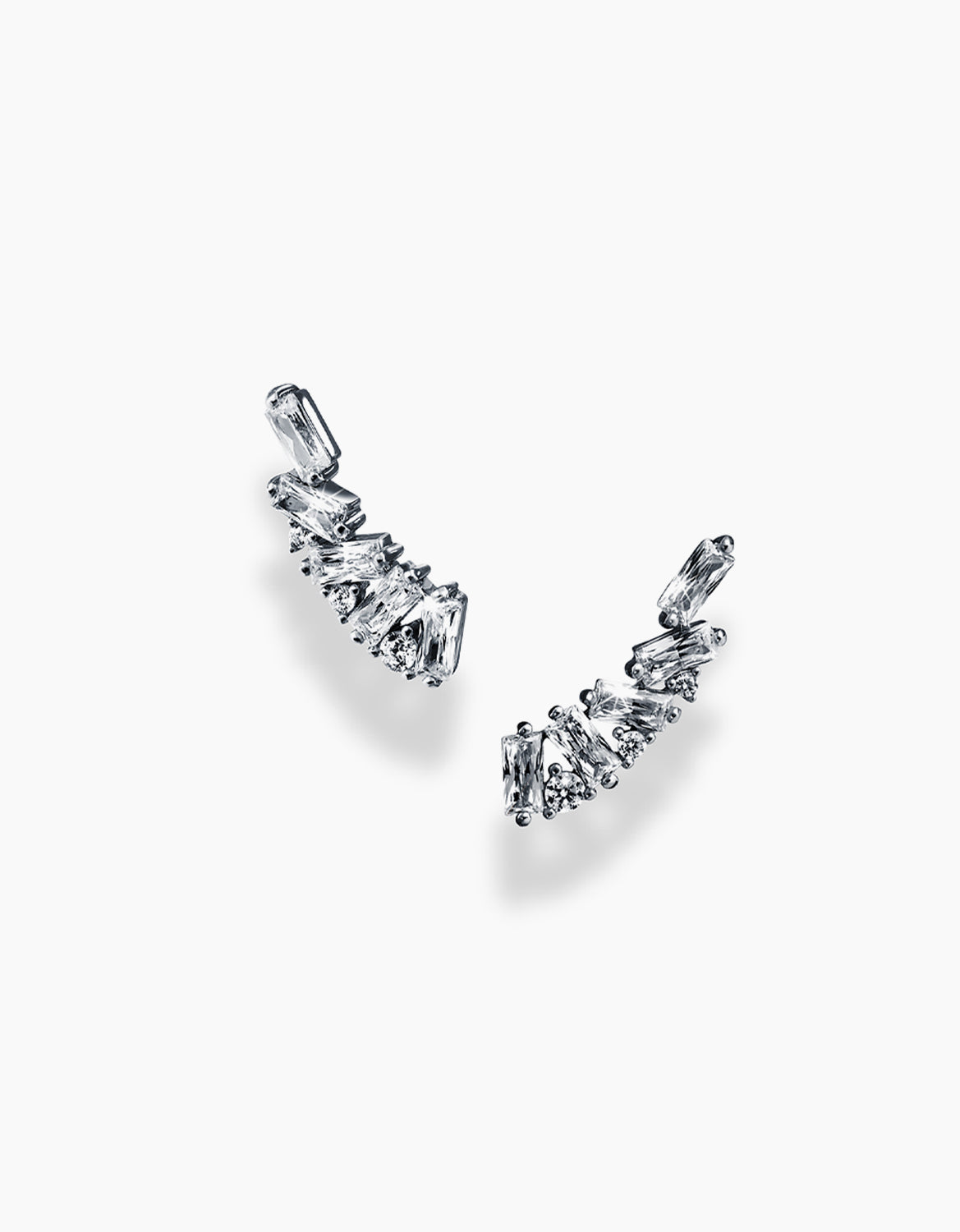 Silver Jewellery


 Our Story
 Diamond Buying Guide
 Watch Buying Guide
 Product Care & Aftercare
 Visit our Showroom
Achieving a cohesive, cascading jewellery stack is one of the most expressive ways to wear fine jewellery, yet the frustration of intertwined chains often ruins the effect. Fine 18ct gold possesses an unmistakable warmth and an opulent, weighty drape, making it the premier choice for curating an elevated neckline. However, because 18ct gold is composed of 75% pure gold alloyed with copper, silver, or palladium, it is naturally softer and more malleable than lower-carat alternatives. This distinct metallurgy means that when delicate strands twist, rub, or knot throughout the day, they risk surface scratching, link distortion, or unwanted tension. Mastering the art of the multi-chain neckline requires understanding link mechanics, spacing intervals, and physical weights to prevent friction. When you master finding an 18ct gold necklace that fits properly, you establish the foundational architecture necessary to build an effortless, tangle-free stack that stays impeccably arranged from morning to evening.
The Physics of the Neckline: Why Chains Tangle
Chains tangle primarily due to kinetic energy transferred through everyday movement. As you walk, turn your head, or adjust your posture, your jewellery experiences continuous micro-vibrations. If two or more necklaces possess identical weights, similar chain textures, and sit at matching lengths, they naturally gravitate into the same physical plane. The clasps, which represent the heaviest single focal points on unadorned chains, migrate forward down the sides of the neck toward the collarbone. As these clasps travel, they draw the fine links behind them, inevitably wrapping the strands around one another until a tight, stubborn knot forms.
The problem amplifies when wearing chains crafted with identical link geometries. When two round-link designs meet, their open apertures act like interlocking gears. For instance, pairing two lightweight trace chains creates high surface contact where links slip inside one another, immediately seizing up. To prevent this, professional styling relies on manipulating three core physical variables: graduating your drop lengths, contrasting link profiles, and balancing central anchor weights.
The Golden Spacing Rule: Establishing Clear Intervals
The single most effective preventative measure against jewellery friction is maintaining strict, deliberate vertical spacing between each piece. Stacking necklaces that sit only half an inch apart guarantees entanglement within hours. To build an orderly cascade that remains separate, adhere to the two-inch (five-centimetre) spacing rule across your entire composition.
| Chain Placement | Standard Length | Ideal Link Profile | Functional Role in Stack |
|---|---|---|---|
| Base Layer (Top) | 16 Inches (40 cm) | Smooth, rigid (Choker, Herringbone, Omega) | Sits high above the hollow of the throat; establishes static upper perimeter. |
| Mid Layer | 18 Inches (45 cm) | Textured or Fluid (Curb, Belcher, Spiga) | Provides visual contrast; frames the base while sitting securely on the collarbone. |
| Anchor Layer (Bottom) | 20–24 Inches (50–60 cm) | Weight-bearing link carrying an 18ct pendant | Pulls the stack into an elegant 'V' formation, steadying the entire arrangement. |
Beginning with a 16-inch base layer establishes a clean boundary just above the collarbone. Introducing an 18-inch piece as your intermediate strand creates breathing space, while a 20-inch or 22-inch chain draws the eye downward. This systematic graduation ensures that even during brisk movement, each necklace swings across its own distinct arc along your décolletage without colliding into the path of its neighbour.
Contrasting Link Profiles and Weights
Visual diversity is vital for aesthetics, but link variation is equally indispensable for mechanical stability. Layering identical chains invites chaos, whereas combining disparate structural profiles actively works to prevent snagging. Knowing how to differentiate link characteristics—such as choosing an 18ct gold chain link style that complements your collection—serves as both a sartorial and practical advantage.
Pairing fluid, circular links alongside flat, solid forms prevents chains from weaving together. Consider introducing a flat, diamond-cut curb chain alongside a rounded belcher or an intricate rope chain. The flat surfaces of the curb chain glide harmlessly against the rounded contours of the belcher, refusing to catch or interlock. Similarly, dense patterns like the wheat (spiga) chain or the box chain possess flat outer walls and tightly woven interiors, making it physically impossible for neighbouring fine links to penetrate their structure.
Beyond profile choice, deliberate weight distribution prevents chain migration. If every piece in your stack weighs roughly two grams, they will shift in unison, wandering indiscriminately around your neck. By varying the heft—such as combining a dainty 3-gram trace chain with a substantial 9-gram architectural link—the heavier chain remains steadfast against your chest, serving as a physical barrier that keeps the lighter chain disciplined within its own vertical lane.
Anchor Points: The Crucial Function of Pendants
While an arrangement consisting purely of unadorned gold chains can look exquisitely modern, it is structurally prone to shifting. Without a central gravitational counterweight, necklaces slide freely over clothing and bare skin. Introducing a balanced pendant to the lowest or intermediate chain instantly resolves this vulnerability by establishing a designated anchor point.
A pendant pulls the chain taut into a distinctive 'V' shape, countering the natural semi-circular 'U' curve formed by open chains. This alteration in geometry keeps the strand centred over the sternum, eliminating horizontal travel. When selecting a pendant for your lowest layer, assess whether the weight of the charm is appropriate for the chain supporting it. Those wearing religious or symbolic motifs should review matching chain weight to an 18ct gold cross pendant to ensure the bail glides smoothly without pinching the gold links or causing the pendant to tilt awkwardly.
For multi-pendant stacks, avoid placing charms on necklaces of equivalent length. If you wish to feature two pendants, separate them by at least four inches of chain length, or choose designs with contrasting forms. A small, fixed diamond bezel slider on a 16-inch chain pairs effortlessly with a free-hanging locket or medallion suspended from a 22-inch chain. Because the higher pendant sits stationary against the hollow of the throat while the lower pendant anchors the base, the two charms never collide.
Essential Tools and Professional Styling Mechanisms
Beyond calculated lengths and weights, fine jewellery hardware provides invisible support to maintain an impeccably ordered stack throughout long days and evening events.
- Multi-Strand Layering Clasps: These barrel or magnetic sliding tubes hold individual ring clasps on one side and loops on the other. By securing the ends of up to three individual 18ct gold chains into a single rigid unit at the nape of the neck, individual clasp migration is entirely neutralised. The chains are held at fixed parallel distances from the start, making horizontal tangling virtually impossible.
- Gold Extender Chains: Investing in two-inch solid 18ct gold extenders allows you to convert standard 16-inch or 18-inch pieces to custom intermediary lengths. This flexibility lets you adjust your stack depending on the neckline of your clothing, ensuring the critical two-inch spacing remains uncompromised regardless of whether you are wearing a crew neck sweater or an open-collar blouse.
- Counterweights: High-end jewellers often fit small decorative gold droplets, bezel-set gemstones, or branded tags adjacent to the spring ring or lobster clasp. These tiny additions introduce deliberate ballast at the back of the neck, anchoring the clasp firmly behind your cervical vertebrae and keeping your necklace display pristine in front.
Dressing and Removing Your Layers: A Daily Protocol
Proper stacking technique extends beyond wearing your jewellery; it begins with how you put your pieces on and ends with how you take them off. Adopting a methodical sequence protects soft 18ct gold from unnecessary snagging, pulling, or link distortion.
Always put your jewellery on after you have finished styling your hair, applying cosmetics, spraying perfumes, and fastening clothing. Fasten your necklaces sequentially from the shortest to the longest. Secure the 16-inch base layer first, verify that its clasp sits squarely in the centre of the nape of your neck, and check that the chain rests completely flat. Next, add the intermediate layer, followed by your longest anchor piece. Fastening from the inside out ensures you never pull a shorter chain over an existing strand, which can cause micro-twists before you have even stepped out the door.
At the end of the day, reverse the exact sequence: unfasten the longest piece first, gently drawing it outward and away from your chest, before proceeding to the upper chains. Never pull layered necklaces over your head while fastened, as the uneven tension can stretch delicate links or bend hand-assembled safety catches. Store each chain flat or hung independently in an anti-tarnish lined jewellery box, keeping clasps closed to prevent links from looping around themselves overnight.
Caring for Intertwined 18ct Gold Without Causing Damage
Should your necklaces encounter an unexpected knot despite your best efforts, patience is imperative. The 75% purity of 18ct gold makes the metal susceptible to crimping or breaking if subjected to sudden, forceful pulling. Never attempt to yank knotted chains apart with your bare fingers, as this will only tighten the knot and can strip diamond-cut facets or rupture soldered links.
Instead, lay the intertwined necklaces completely flat on a smooth, well-lit, non-porous surface, such as a clean glass tray or a polished timber desk. Apply a single drop of fine mineral oil, olive oil, or mild washing-up liquid directly onto the centre of the knot. The oil serves as a gentle lubricant, dramatically lowering surface friction between the gold links. Using two fine, blunt sewing needles or sewing pins, insert the tips gently into the core of the tangle. Work the needles outward in opposing directions to tease open the loop. Once the knot loosens into an open web, you can separate each chain cleanly without placing tension on the gold. Finish by washing the jewellery in lukewarm water mixed with a drop of gentle, detergent-free soap, and dry thoroughly with a soft microfibre cloth to restore the lustrous shine of your 18ct gold.