

 Rings
 Earrings
 Bracelets & Bangles
 Necklaces & Pendants
 Silver Jewellery


 Our Story
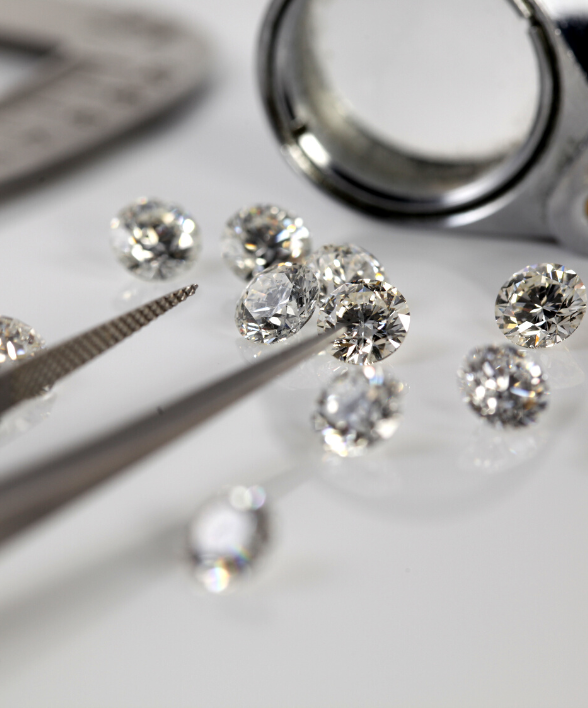 Diamond Buying Guide
 Watch Buying Guide
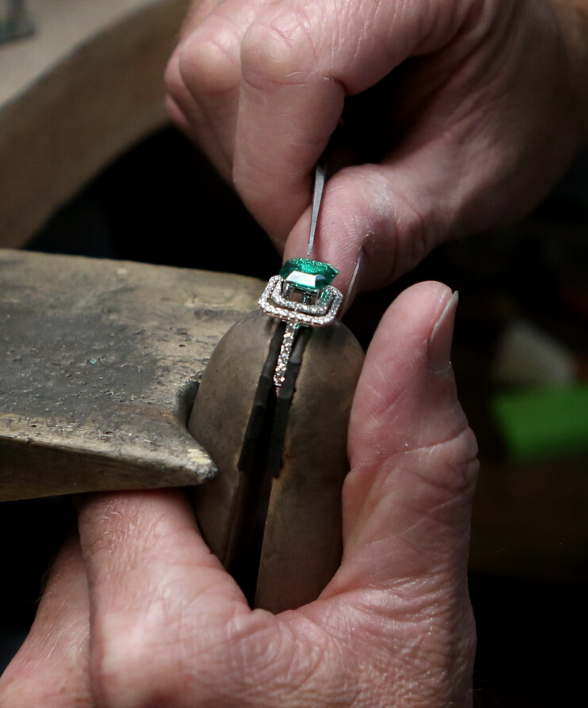 Product Care & Aftercare
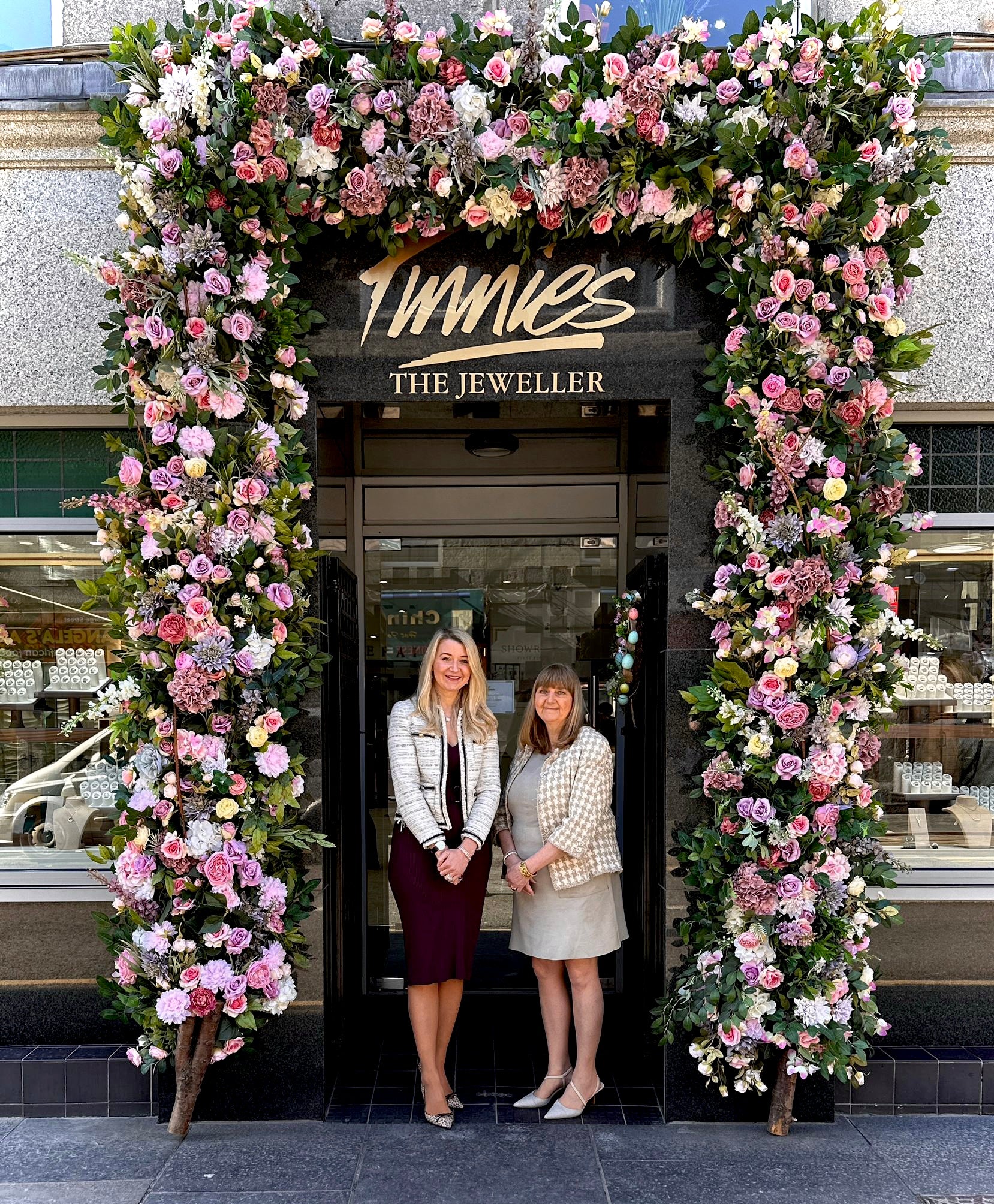 Visit our Showroom
Few pieces of fine jewellery offer the effortless polish and timeless versatility of a gold hoop. Whether you prefer a subtle, diamond-cut whisper of metal for daytime wear or an expansive, mirror-polished statement piece for an evening out, hoops frame the face with warmth and light. However, investing in fine gold means considering more than just diameter, profile, and caratage; you must also evaluate the fastening mechanism. Because 18ct gold is composed of 75% pure gold, it possesses an exquisite richness of tone and inherent hypoallergenic qualities, but it is also noticeably softer and more malleable than lower-carat alloys like 9ct gold. Selecting the correct closure ensures that your treasured 18ct gold earrings remain securely fastened through daily commutes, active weekends, and celebratory evenings.
A lost earring is an all-too-common heartbreak, usually brought about by an accidental brush against a winter scarf, a sudden pull while pulling off a jumper, or a closure mechanism that has quietly lost its tension over time. To protect your investment, understanding the mechanical nuances, structural strengths, and ideal use cases of latch backs, clickers, and traditional post-and-scroll fastenings is essential. Each design solves the challenge of earring security in distinct ways, balancing aesthetic minimalism against physical resilience.
The Physics of 18ct Gold: Why Clasp Mechanics Matter
Gold's elemental purity dictates its structural performance. Pure 24ct gold is exceptionally malleable—delightful for ancient goldsmithing techniques, but far too pliable for modern structural components such as clasps, hinges, and friction springs. In 18ct gold, the 750 parts per thousand of pure gold are balanced with 250 parts of strengthening alloy metals, such as copper, silver, and zinc (or palladium and platinum in the case of fine white gold). This alloy ratio strikes the gold standard balance between luminous richness of colour and daily durability.
Even so, compared to 9ct gold (which contains only 37.5% pure gold and a majority of base metals) or industrial titanium, 18ct gold requires thoughtful engineering when used in moving parts. Tension clasps rely on metal memory—the ability of an alloy to spring back to its original position after being displaced. Over hundreds of wears, miniature 18ct gold joints, pins, and prongs will experience micro-flexing. Choosing the right closure style tailored to your lifestyle, hoop size, and dexterity guarantees peace of mind and keeps your jewellery pristine for generations.
1. The Latch Back (Saddle, French Clip, and Hinged Joint)
The latch back closure—often referred to as a saddle back, rocker clasp, or articulated French bar—is one of the most traditional and reliable mechanisms found on classic luxury hoops. This mechanism features a curved or straight hinged post that penetrates the ear lobe and seats firmly into an upright, U-shaped fork or grooved catch on the reverse side of the earring.
| Feature | Latch Back Profile |
|---|---|
| Mechanical Style | External hinged wire with tension-receptive fork |
| Audible Feedback | Definite, crisp snap when properly tensioned |
| Best Suited For | Medium-to-large hoops, heavier hoop profiles, tube hoops |
| Longevity Maintenance | Effortless home micro-adjustments or minor bench tweaking |
Advantages of the Latch Back
The latch mechanism is remarkably ergonomic. When putting the earring on, the hinged wire moves freely on its axis, offering wide clearance so you can insert the post through the piercing without blindly navigating tight angles. Once through, pressing the post down into the receiving fork produces a tactile click. The dual-prong fork holds the post firmly from both sides, providing excellent resistance against vertical and lateral jostling. Furthermore, latch backs do not feature loose backs or separate scrolls, eliminating the risk of dropping tiny components onto a tiled bathroom floor.
Considerations and Maintenance
Because the post flexes slightly each time it enters and exits the U-shaped latch, the fork prongs can spread slightly over years of repeated wear. When this occurs, the post may feel loose or fail to produce an audible snap. Fortunately, this is one of the easiest adjustments a working jeweller can make. Even at home, applying gentle, microscopic inward pressure with thumb and forefinger to the tips of the U-shaped receiver often restores the spring tension immediately. For those who enjoy rotating between statement hoops and understated everyday jewellery, pairing a collection of latch hoops with comfortable 18ct gold studs for sensitive ears ensures your earlobes receive adequate rest between wears.
2. The Clicker (Hinged Segment and Sleeper Clasp)
The clicker hoop—often called a hinged segment ring or seamless hoop—represents the pinnacle of modern, minimalist jewellery engineering. Frequently seen on snug-fitting huggies and fine sleeper earrings, the clicker is designed so the entire earring presents an unbroken, continuous circle of 18ct gold. One portion of the circumference is mounted on an ultra-precise internal hinge, while the opposing end terminates in a thin, curved tongue with a minute notched recess. When pushed into the hollow body of the hoop, it locks into place with an unmistakable click.
Advantages of the Clicker Mechanism
The primary appeal of the clicker is its complete absence of protruding wires, posts, or clips. The closure sits entirely flush within the circular boundary of the hoop itself. This makes clickers arguably the most comfortable earring style to wear continuously:
- Zero Snagging: There are no external edges or exposed posts to catch on knitwear, silk scarves, hair strands, or motorcycle helmets.
- Superior Sleep Comfort: For huggie enthusiasts who prefer not to remove their jewellery every evening, the flush interior avoids digging into the mastoid bone behind the lobe.
- Sleek 360-Degree Aesthetics: The earring looks immaculate from every angle, making it the premier choice for diamond pavé huggies and multi-piercing ear curations along the helix or conch.
Potential Drawbacks of Clickers
Clicker mechanisms demand flawless engineering tolerances. If an 18ct gold clicker post is pushed or bent even half a millimetre out of alignment while opening, the internal tongue will miss its internal catchment shelf, either refusing to close or opening under minimal force. Clickers can also be challenging for individuals with limited finger dexterity or longer nails, as the release mechanism requires a decisive, pinching pull right along the seam line. When crafted in supple 18ct gold, gentle handling is paramount: always pull straight outward along the axis of rotation rather than twisting sideways.
3. Post and Scroll (Stud-Style Hoops and J-Hoops)
Not all hoops form a full, uninterrupted ring. Many exquisite 18ct gold designs take the form of half-hoops, J-hoops, or wide hollow creoles that terminate behind the earlobe with a straight, horizontal post secured by a friction scroll (often referred to as a butterfly back). This mechanism translates the tried-and-true fastening system of the classic stud earring into the architectural form of a hoop.
Advantages of the Post and Scroll
The post and scroll offers unparalleled flexibility in how the earring sits on your lobe. Because the post is straight, it passes through standard lobe piercings effortlessly without the slight stretching or disorientation that can accompany curved hoop wires. Crucially, post-and-scroll hoops allow you to control the exact tightness against the earlobe. By advancing the butterfly backing along the post grooves, you can anchor wide or top-heavy hoops firmly upright, preventing the drooping or forward-pitching tilt that can undermine the presentation of broader, diamond-set pieces.
Security can also be upgraded on post-and-scroll designs. While standard friction butterflies rely on the spring temper of their rolled scrolls, you can readily swap them for heavy-weight wide-disc scrolls, locking silicone-encased backs, or precision threaded screw-backs for absolute retention.
Considerations for Post Fastenings
The primary vulnerability of this system is the separate backing. Butterfly scrolls can slip off if caught forcefully, and individual backs are notoriously prone to being misplaced during travel or daily dressing routines. Furthermore, the straight post extends horizontally past the back of the ear, which can press into the neck or skin during sleep or telephone conversations, making post-and-scroll hoops distinctly unsuitable for overnight wear.
Comparative Analysis: Matching Your Fastening to Your Lifestyle
Determining which closure system provides the superior blend of security and convenience depends on three variables: the scale of the hoop, how frequently you take your earrings off, and your personal lifestyle patterns.
| Closure Type | Security Level | Ease of Use | Ideal Hoop Dimensions |
|---|---|---|---|
| Latch Back | Very High (resists pulling) | High (hinge guides post) | 15mm to 60mm+ (Medium to Grand) |
| Clicker | Exceptional (flush profile) | Moderate (requires precision) | 8mm to 16mm (Huggies & Sleepers) |
| Post & Scroll | Moderate to High (scroll-dependent) | Very High (universal familiarity) | Any scale; best for J-hoops & wide bands |
For the Constant Wearer: The Clicker Huggie
If you prefer jewellery you can put on and forget for weeks at a time—showering, sleeping, exercising, and working without daily adjustment—a compact 18ct gold clicker is peerless. Its internal locking mechanism remains shielded from accidental snags, while its completely rounded exterior ensures skin-friendly comfort.
For the Daily Commuter and Statement Collector: The Latch Back
If your style leans toward classic hoop diameters ranging from 20mm up to dramatic 50mm profiles, the latch back is widely considered by master goldsmiths to be the most secure clasps for gold hoops. Larger hoops act as natural levers; if a scarf catches on the lower rim of a large hoop, the pulling force exerted on the closure is significant. A heavy-gauge 18ct gold latch absorbs and withstands this downward torque far better than a friction scroll, which can slide off under sudden tension.
For the Polished Professional: The Post and Scroll
For workplace sophistication where earrings are removed every evening, post and scroll closures provide swift, intuitive use. They allow broad, gem-encrusted, or ribbed 18ct gold hoop motifs to sit flat and flush against the front of the earlobe, creating a poised, tailored visual effect. While ideal for day wear, those seeking drama for galas or celebrations might instead browse 18ct gold evening earrings that use specialised articulated hooks or drop-safety bars.
Proactive Care: Keeping 18ct Gold Fastenings Secure for Decades
Because gold is an investment intended to span generations, your clasps deserve routine inspection and gentle care. Incorporating these simple habits into your jewellery routine ensures that your closures never fail unexpectedly:
- Listen for the Click: Whether you wear a latch back or a clicker, never assume the earring is safe until you hear or feel that definitive mechanical snap. If the closure slips shut silently and moves with zero resistance, the tension has diminished and requires adjustment.
- Avoid Lateral Torsion: When opening hinged hoops, always guide the components in a straight, parallel motion along the axis of the hinge. Never pull an 18ct gold wire sideways or twist it open, as this bends the hinge pin and misaligns the lock.
- Check the Scroll Grip: If your hoops use butterfly scrolls, test their grip periodically. Slide the scroll along the post without putting the earring in your lobe; it should resist with a firm, springy slide. If it glides effortlessly, gently press the two rounded loops of the butterfly together using your fingers or soft jeweller's pliers to restore the friction grasp.
- Schedule an Annual Jeweller's MOT: Fine jewellery benefits immeasurably from periodic professional servicing. An experienced jeweller can ultrasonically clean hidden hinge cavities, polish micro-scratches, check stone settings, and re-temper or tighten tension forks in a matter of minutes.
The Verdict: Choosing Your Perfect Clasp
Ultimately, there is no single clasp that outperforms all others in every scenario; instead, the most secure clasp is the one engineered specifically for how you wear that particular style. For petite everyday huggies designed to live in your lobes day and night, the seamless, snag-free clicker offers unrivaled peace of mind. For medium to grand hoops that demand structural resistance against winter layers and accidental tugs, the classic latch back remains the undisputed gold standard. And for dramatic half-hoops that require upright balance and tailored lobe support, the post and scroll provides dependable, customizable stability.
When selecting your next pair of 18ct gold hoops, take a moment to look past the front face of the design and inspect the mechanics behind it. A thoughtfully crafted closure, executed in rich 18ct gold, is your quiet guarantee that your cherished earrings will stay securely where they belong—framing your face and sparkling brilliantly through every chapter of life.