

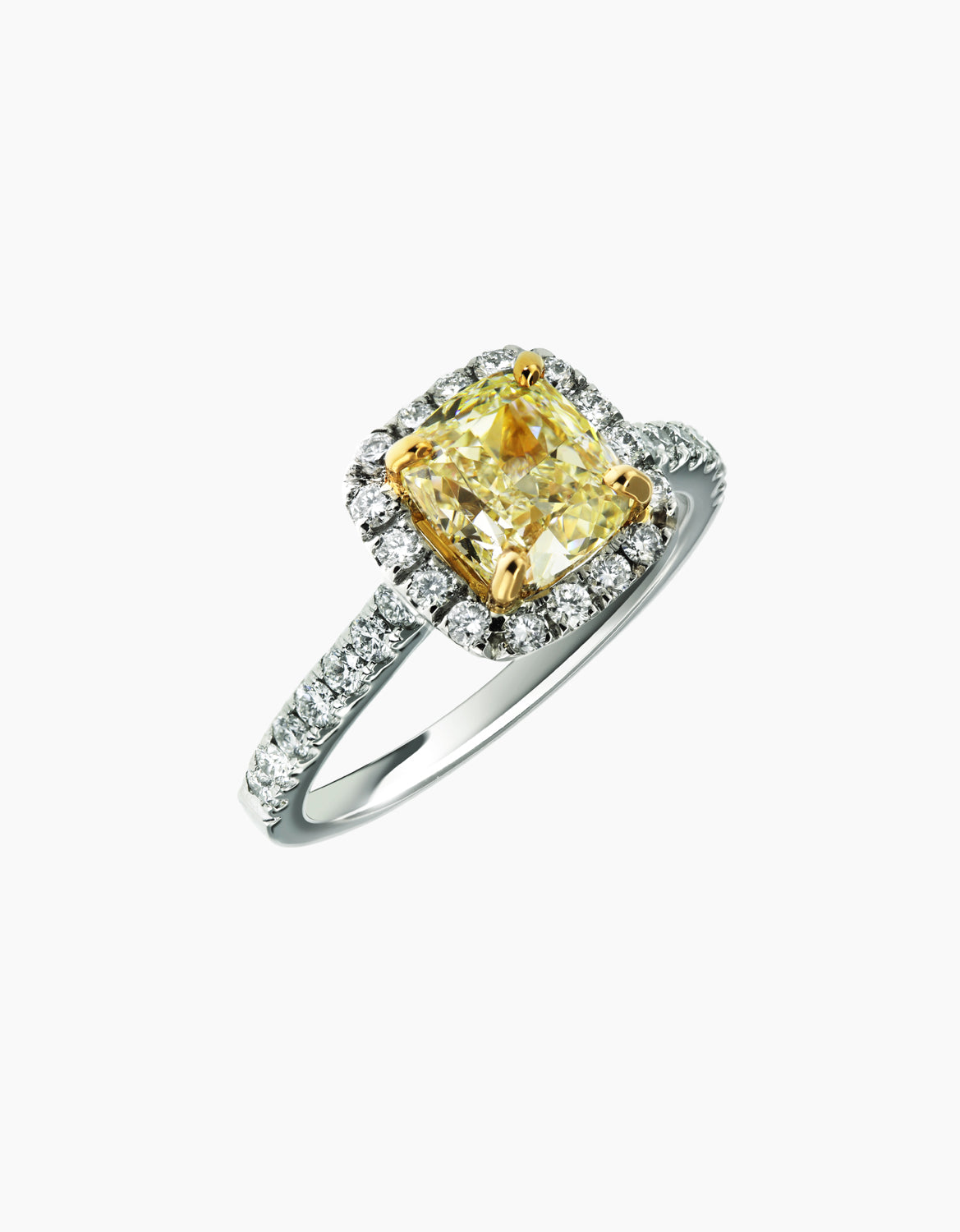
 Rings
Rings
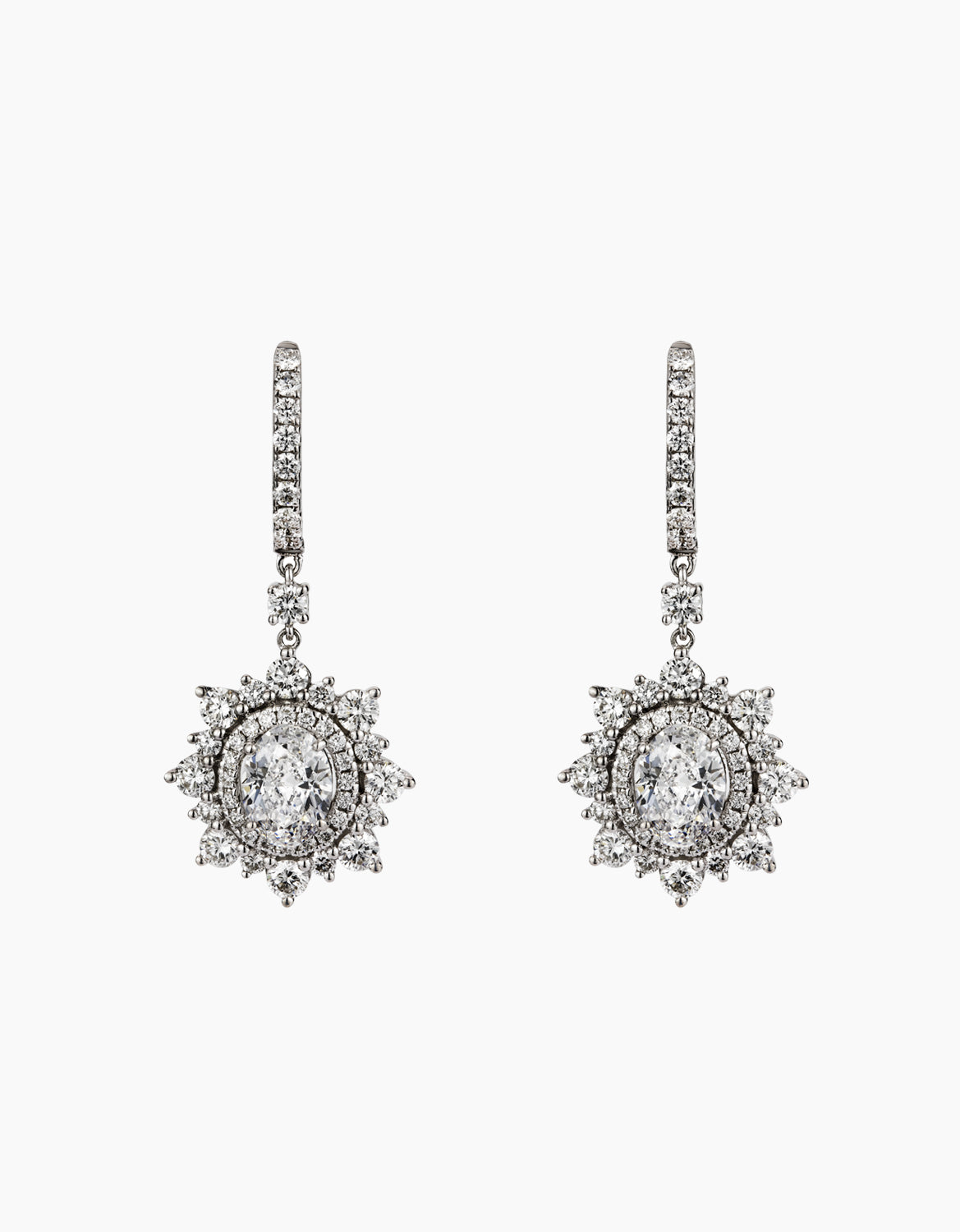 Earrings
 Bracelets & Bangles
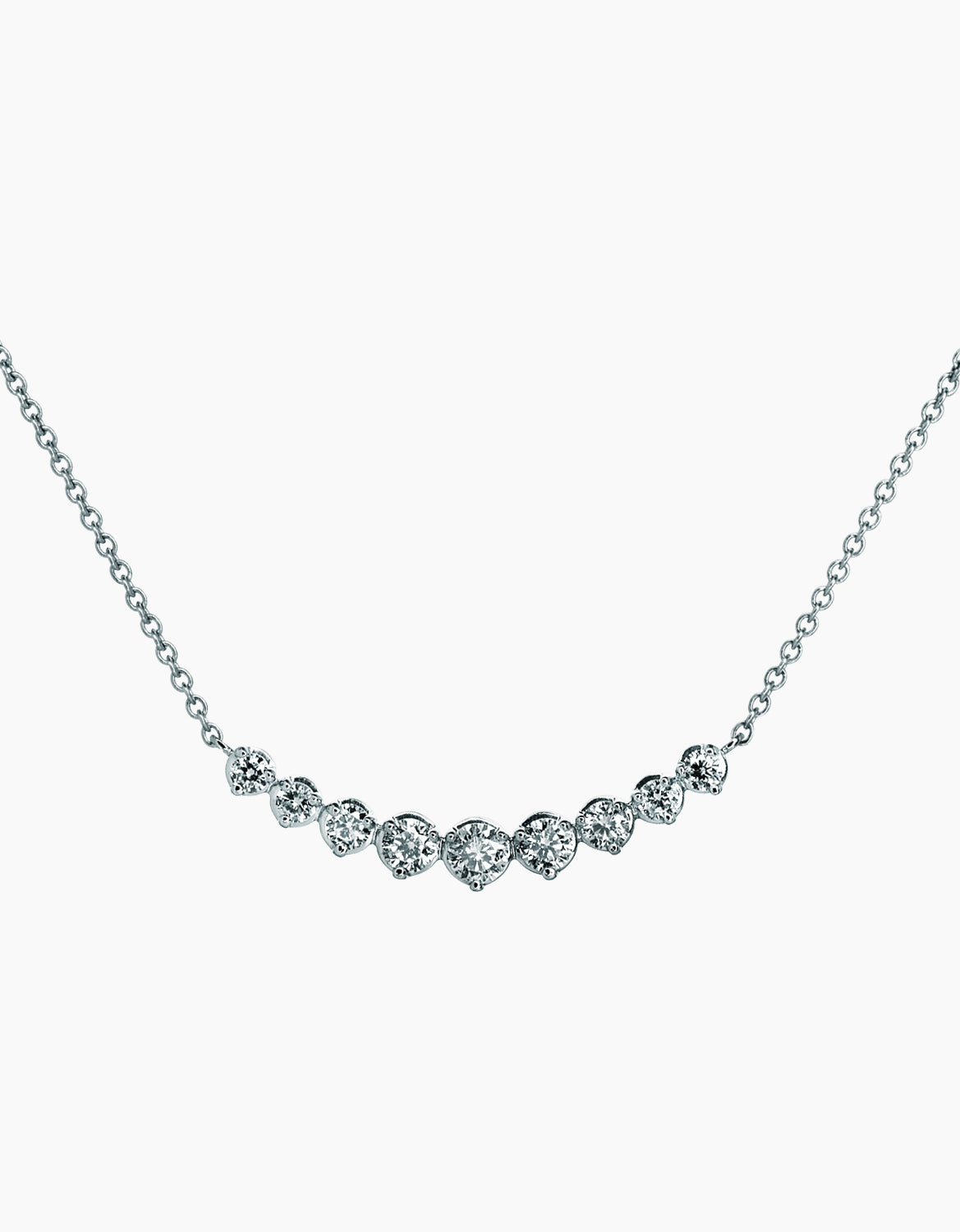 Necklaces & Pendants
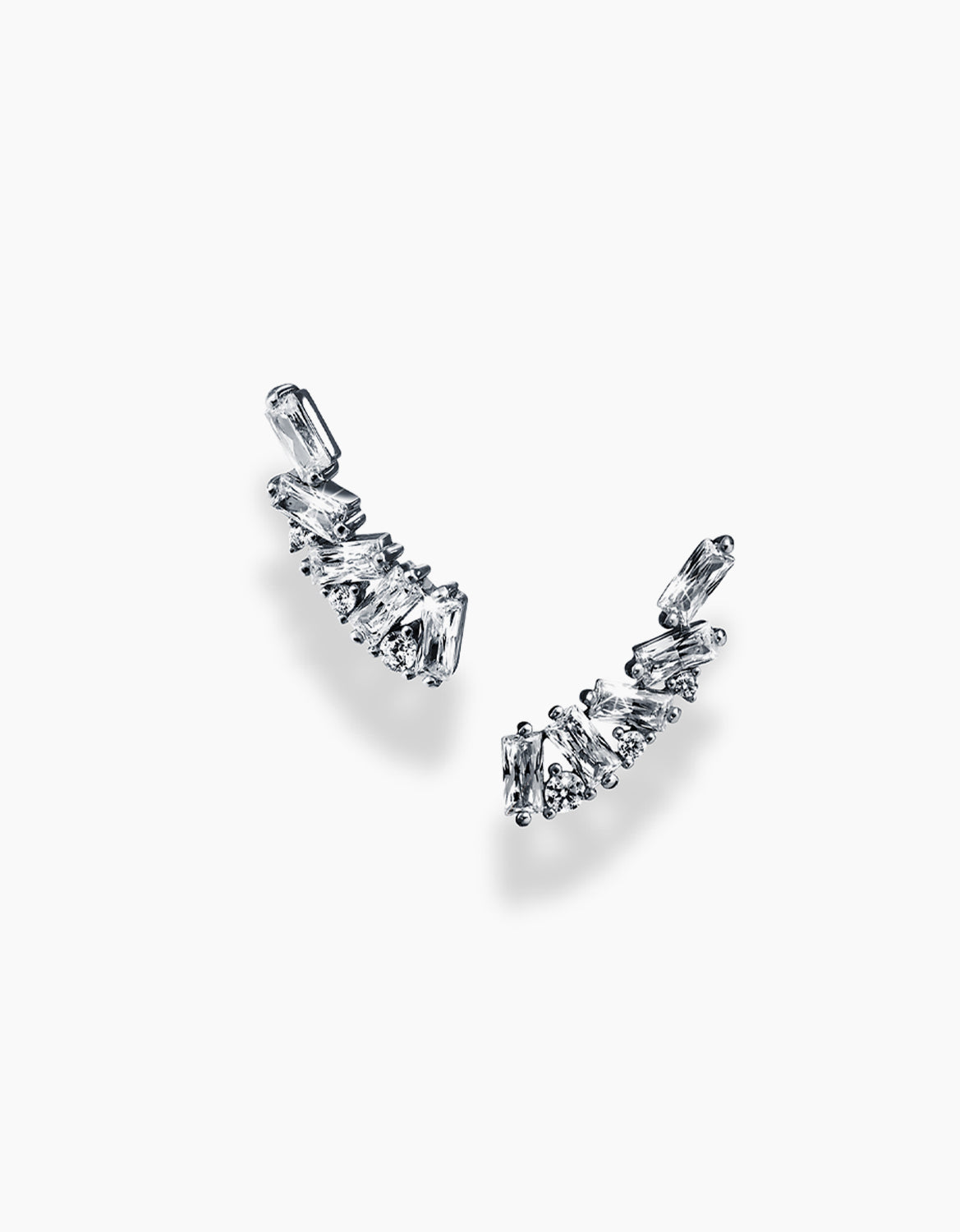 Silver Jewellery


 Our Story
 Diamond Buying Guide
 Watch Buying Guide
 Product Care & Aftercare
 Visit our Showroom
Quartz vs Automatic Ladies Watches Understanding Movement Mechanics
Evaluating movement mechanics is a fundamental step when choosing a fine timepiece online. The internal engine inside a watch case determines daily operational accuracy, maintenance demands, power reserve characteristics, and how the watch feels during daily wear. The two main movement architectures found in fine watchmaking are electronic quartz and mechanical automatic systems.
In our Aberdeen workshop, our watchmakers service both quartz circuit modules and delicate mechanical gear trains. Understanding how each movement type operates enables you to choose a mechanism that matches your daily routine and maintenance preferences without relying on industry jargon.
If you are exploring options to buy ladies watches online, learning the structural differences between quartz precision and mechanical self-winding systems helps ensure long-term satisfaction with your timepiece.
Granular Technical Breakdown
Quartz movements rely on an electronic circuit powered by a tiny button cell battery. The circuit sends an electrical charge through a precision-cut synthetic quartz crystal shaped like a tuning fork. This causes the crystal to oscillate at a constant rate of 32,768 cycles per second. The microchip circuit counts these oscillations, translating them into one electrical pulse per second that drives a stepping motor to advance the second hand in distinct ticks.
Automatic mechanical movements function without electrical batteries or electronic chips. Instead, energy is stored mechanically in a coiled spring called a mainspring. As you move your arm, a weighted semicircular metal rotor pivots on a central axle, automatically winding the mainspring through a reduction gear train. The mainspring releases its stored potential energy gradually through an escapement mechanism and balance wheel assembly, which vibrates between 21,600 and 28,800 times per hour. This rapid mechanical oscillation drives the gear train, resulting in a smooth, sweeping second hand motion.
The operational trade-offs between these two architectures are straightforward: quartz emphasizes absolute timekeeping accuracy and minimal user maintenance, whereas automatic movements offer mechanical engineering that can operate indefinitely with proper routine lubrication and servicing.
Actionable Implementation & Practical Guide
Choosing between quartz and automatic mechanics requires matching performance characteristics with your daily wearing habits. Use the practical considerations below to determine which movement matches your preferences:
- Accuracy Requirements: Quartz movements typically gain or lose roughly 15 seconds per month. Swiss-made automatic movements operate within standard mechanical tolerances of minus 4 to plus 6 seconds per day. If exact precision is paramount, quartz is the practical option.
- Rotational Rotation in Wear: Automatic timepieces feature a power reserve ranging between 38 and 70 hours. If you take an automatic watch off over the weekend, it will stop and require setting on Monday morning unless kept on an electric watch winder. Quartz watches run continuously until the battery expires after 2 to 3 years.
- Physical Case Profile: Automatic movements require a swinging rotor assembly and multi-layer gear trains, making automatic watch cases slightly thicker (typically 9mm to 12mm). Quartz movements are compact, allowing for ultra-slim case profiles (5mm to 8mm).
- Long-Term Maintenance: Quartz watches require a battery replacement and case seal inspection every 2 to 3 years. Automatic movements require a complete overhaul, re-oiling, and gasket replacement every 4 to 5 years by a qualified watchmaker.
Supporting Evidence & Real-World Scenarios
Consider a professional who rotates between multiple timepieces throughout the week depending on outfit choices. A quartz watch allows them to select a timepiece from the jewelry drawer at a moment's notice, confident that the time and date remain set. For this wearing style, quartz provides immediate daily convenience.
Conversely, consider an owner who appreciates mechanical craft and wears their watch daily as a core piece. An automatic timepiece winds continuously through natural arm motions, converting everyday movement into continuous timekeeping power. The mechanical ticking action and display caseback—which exposes the moving rotor and balance wheel—offer a connection to classic watchmaking traditions.
| Feature Category | Quartz Movements | Automatic Movements |
|---|---|---|
| Power Source | Silver-oxide / Lithium Battery | Kinetic energy via mainspring & rotor |
| Average Accuracy | ±15 seconds / month | -4 to +6 seconds / day (Chronometer spec) |
| Power Reserve | 2 to 3 years continuous | 38 to 70 hours when stationary |
| Second Hand Motion | Single tick per second | Smooth, sweeping motion (6-8 beats/sec) |
| Service Intervals | Battery change every 2-3 years | Full mechanical service every 4-5 years |
Internal Links & Practical Next Steps
Selecting the right movement type lays the foundation for your overall buying decision. To further refine your evaluation before making an online purchase, explore our guide on womens watch case materials to ensure your movement selection is paired with a metal case built for your lifestyle.
If you are reviewing options to buy ladies watches online, our bench specialists in Aberdeen can provide additional movement technical data, battery lifespan checks, or timing machine printouts upon request.