

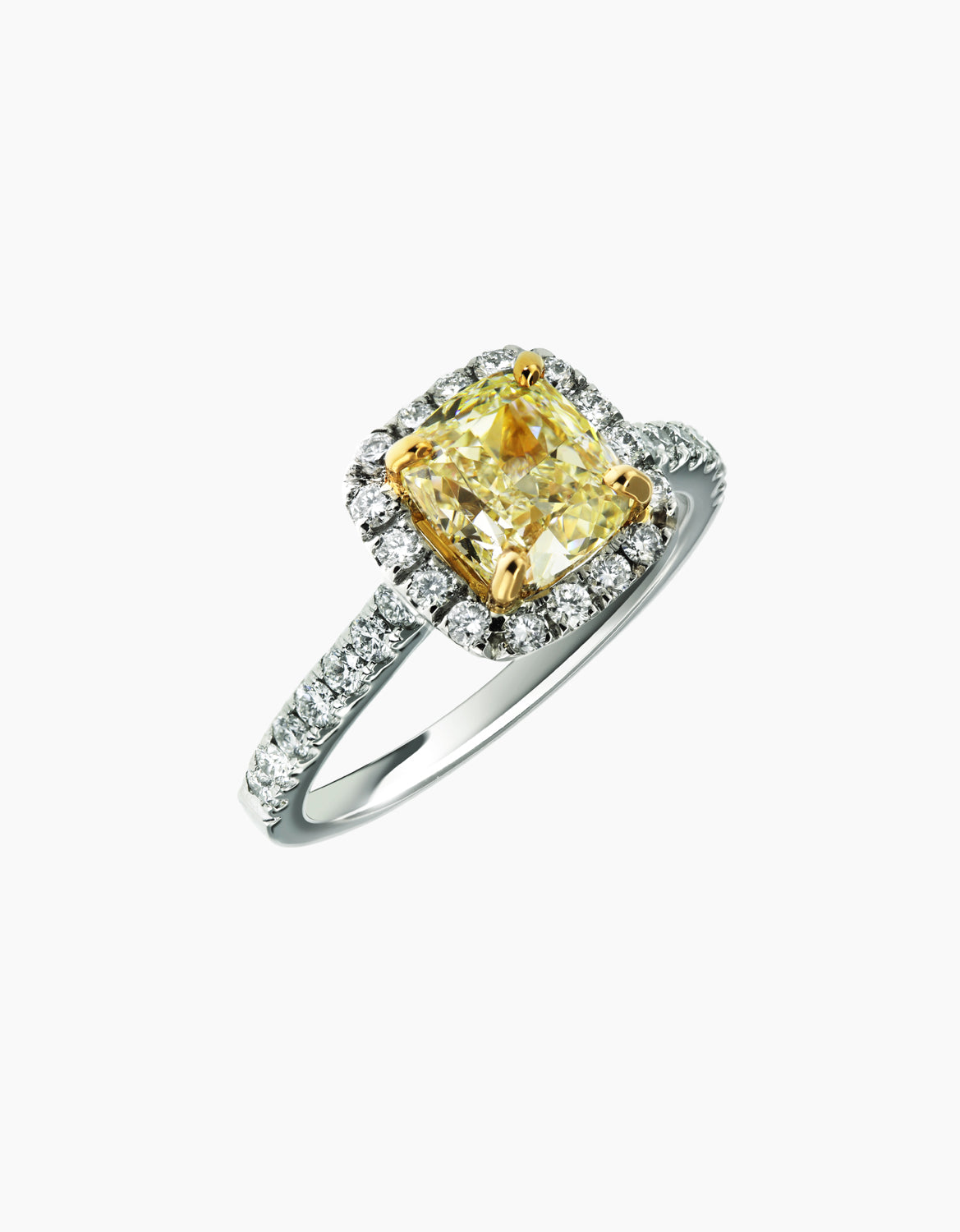
 Rings
Rings
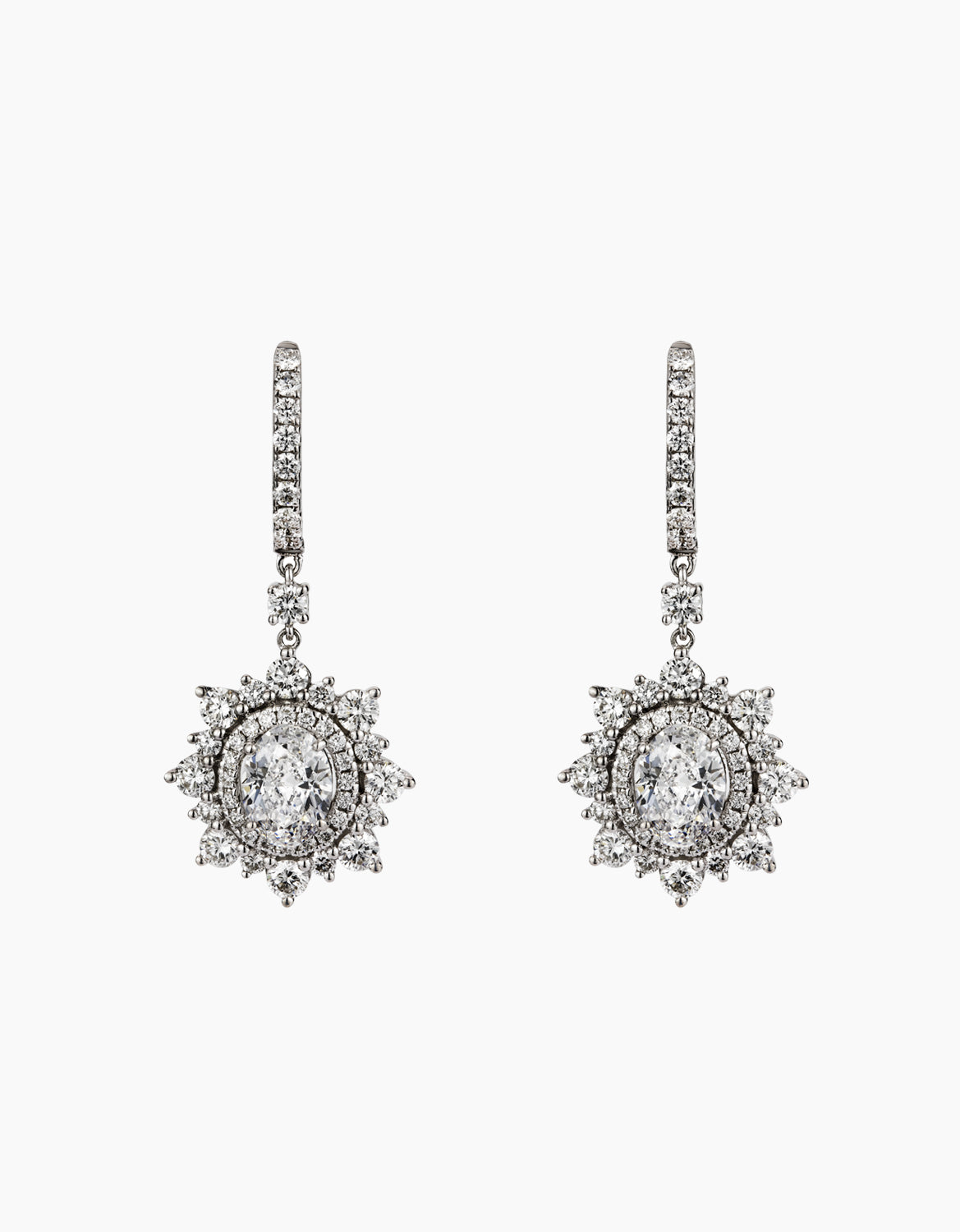 Earrings
 Bracelets & Bangles
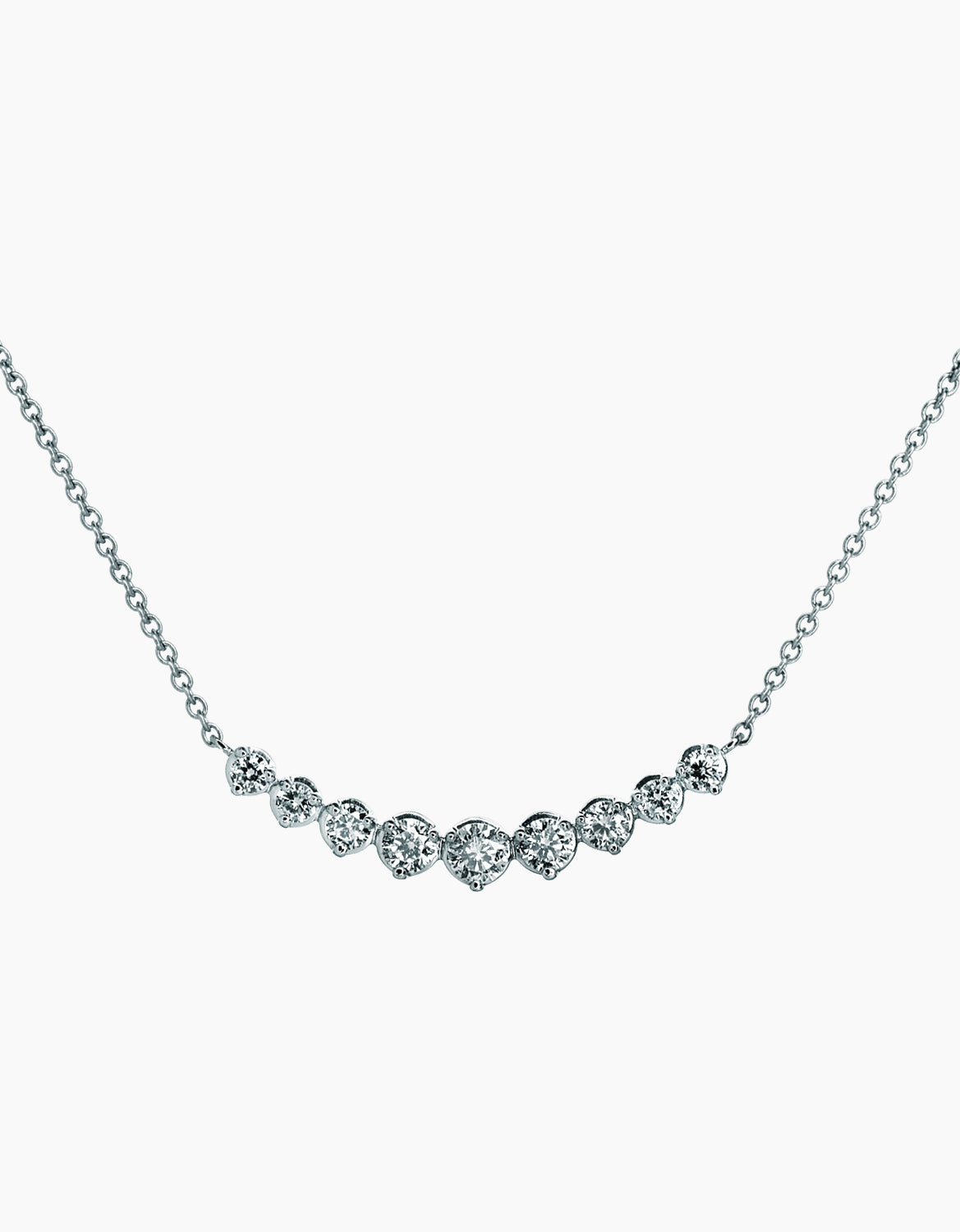 Necklaces & Pendants
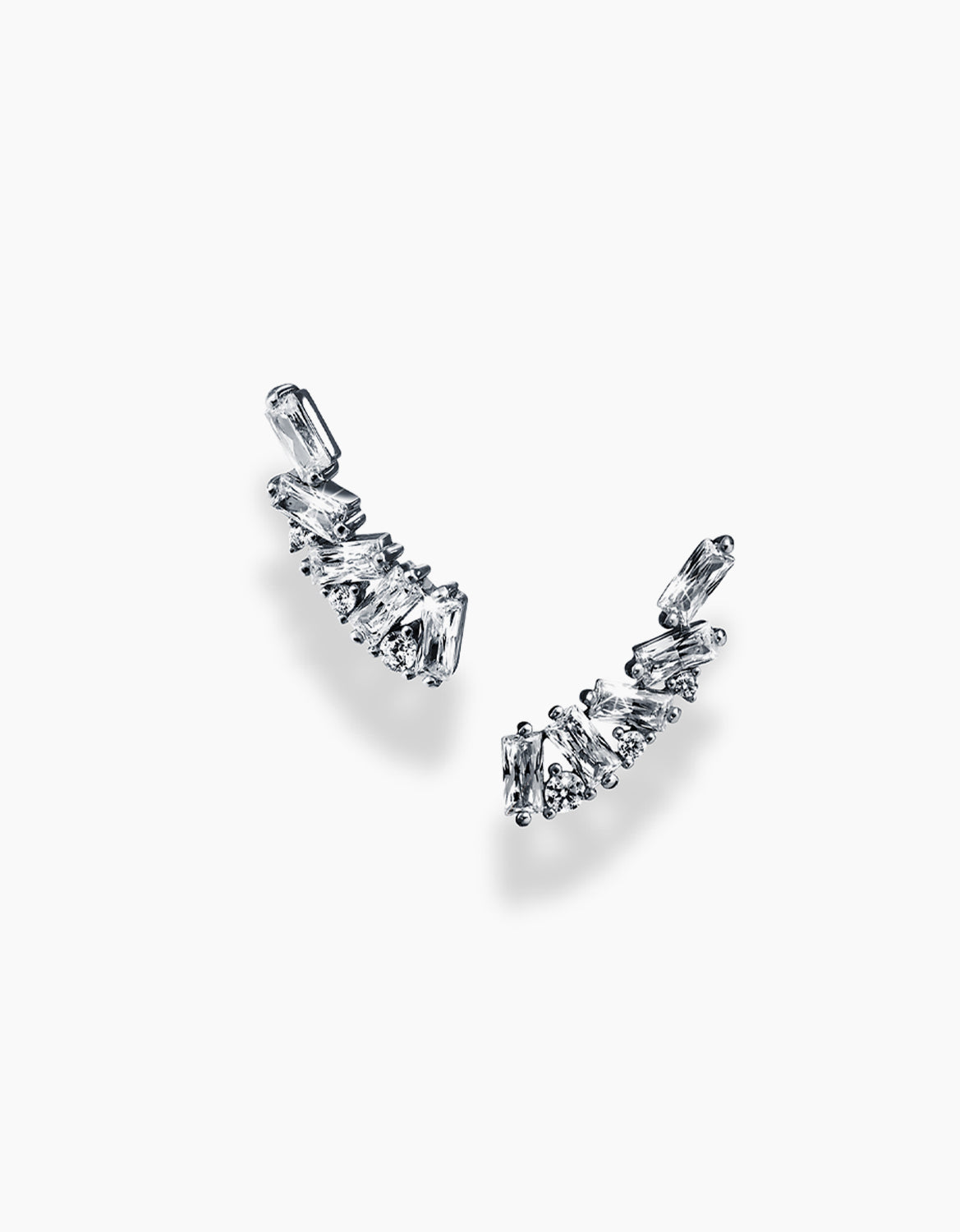 Silver Jewellery


 Our Story
 Diamond Buying Guide
 Watch Buying Guide
 Product Care & Aftercare
 Visit our Showroom
Navigating the pre-owned market for luxury timepieces and fine jewellery requires caution. Counterfeits have evolved far beyond crude street-corner fakes with mismatched dial fonts and hollow bracelets. Modern unauthorized workshops now produce deceptive replicas that copy external case silhouettes, laser-etch brand signatures, and mimic factory packaging.
Authenticating a genuine piece from Chopard comes down to internal consistency across bench crafts. The maison controls design, precious metal alloying, diamond setting, and calibre assembly in-house. While counterfeit operations can copy surface shapes in photographs, they cannot replicate master bench tolerances, precision metallurgy, certified sapphire chambers, or official Swiss precious metal assay stamps under a loupe.
Official Swiss Precious Metal Hallmarks
Every genuine gold or platinum piece created in Switzerland must comply with federal precious metal control legislation. Counterfeiters routinely stamp generic numbers without matching official assay marks.
- The Saint Bernard Dog Head: Mandated by Swiss law since August 1, 1995, the official national hallmark for all precious metal watch cases manufactured in Switzerland is the head of a Saint Bernard dog. Under 10x magnification, the dog head stamp reveals crisp ear lines and an assay office identification letter stamped inside the lower ear curve.
- Millesimal Fineness Marks: Authentic 18-carat gold pieces feature a clean "750" stamp inside a balanced cartouche, certifying 750 parts per thousand of pure gold. Platinum pieces carry the "950" mark. Counterfeit stamps are frequently shallow, unevenly spaced, or stamped crookedly on the metal.
- Makers and Sponsor Marks: Alongside fineness stamps, genuine pieces display Chopard's registered master hallmark and internal reference codes stamped directly into the case back or the inner shank of a ring.
Case Back Anatomy: Serial Numbers and Reference Codes
Turning a watch or a piece of fine jewellery over provides clear diagnostic evidence. Chopard machines its case backs with clean symmetry, using rotary engraving tools rather than light surface chemical etches.
| Identification Mark | Genuine Chopard Standard | Counterfeit Red Flags |
|---|---|---|
| Model Reference Number | A four-digit primary code (often formatted as 4 digits followed by a dash and variant code) corresponding exactly to factory catalogue specifications. | Reference number does not match dial layout, metal specification, or case diameter; numbers pulled randomly from online imagery. |
| Individual Serial Number | A sharp, deeply engraved individual serial number (typically a 6-digit or 7-digit number) unique to the individual piece, matching the Certificate of Origin. | Serial number is faint, printed with laser dot-matrix patterns, repeated across multiple counterfeit units, or missing entirely. |
| Chopard Script Logo | Cursive signature with exact stroke weight, consistent letter joinery, and uniform depth across curved surfaces. | Irregular letter spacing, blunted loops on the 'C', or rough tool burrs inside the engraved channels. |
| Case Screws | Case-back screws feature polished heads that sit flush into precision countersinks; screw slots match driver widths without metal distortion. | Rough, soft steel screws that sit unevenly above the case surface; stripped slots or mismatched screw head diameters. |
The Kinetic Diamond Test: Inspecting Happy Diamonds Settings
The patented mobile diamond system remains Chopard's most famous innovation, and it presents a significant hurdle for counterfeiters.
In an authentic Happy Diamonds watch or pendant, the diamonds never touch the sapphire glass directly. Each stone sits encased within an 18-carat gold bezel capsule. The underside of that capsule is machined with a precision-bevelled angle that tapers to a minimal central pivot. This profile causes the capsule to tilt and spin on its axis with the slightest wrist movement, gliding freely without dragging.
In fake pieces, counterfeiters take short cuts to save assembly costs:
- Unsheathed Stones: Fake pieces sometimes drop loose stones directly between two layers of glass. The hard diamond facets immediately scratch the crystal, leaving cloudy circular tracks across the dial.
- Flat-Bottomed Collars: Cheap replicas fit stones into flat, pressed metal discs. These discs slide sluggishly, get stuck against the outer perimeter wall, or flip upside down during routine wear.
- Acrylic Crystals: Replicas frequently substitute mineral glass or plastic acrylic for synthetic sapphire. Acrylic flexes under finger pressure, accumulates micro-scratches, and lacks the optical clarity required to view diamond facets sharply.
Dial Legibility and Typography Under Magnification
Luxury watch dials are finished under extreme magnification. Authentic dials demonstrate precise hand-applied markers, clean pad-printed lettering, and uniform luminescent material.
Examine the brand typography. The cursive Chopard logo should display sharp, well-defined letter boundaries with no paint bleed onto the dial grain. On chronographs like the Mille Miglia or sports watches like the Alpine Eagle, sub-dial markings and tachymeter scales align with division lines. The red 1000 Miglia arrow or chronometer script is printed with rich, opaque pigments that do not look faded or blurred at the edges.
Counterfeit dials often reveal themselves through poor date window execution. On a genuine calibre, the date numeral centres within the aperture frame. Counterfeits commonly display crooked date disks, misaligned font heights, or mismatched date disc background colours.
Weight, Metallurgy, and Physical Balance
Precious metals have high physical density. A solid 18-carat gold or platinum watch has a specific gravity that base metals cannot mimic without adding noticeable bulk.
A genuine gold Chopard timepiece feels substantial in the palm. Counterfeiters often use brass, base bronze, or light stainless steel coated with an ultra-thin layer of gold electroplating. These fake pieces feel unnaturally light. Plating also wears away along case-back edges and between bracelet links after short periods of wear, revealing dull grey or yellow base metal beneath.
For steel models, Chopard manufactures its modern pieces in Lucent Steel. Lucent Steel possesses high surface purity and a Vickers hardness rating of 223, producing a distinctive, bright white reflectivity. Standard 316L counterfeit steel appears slightly darker and scratches more easily on polished chamfers.
Movement Inspection at the Workshop Bench
The definitive verification of any mechanical timepiece happens at the workbench. Transparent sapphire exhibition case backs reveal whether a watch houses a genuine manufacture calibre or a generic clone movement.
Authentic L.U.C calibres showcase Côtes de Genève circular damaskeening across bridges, hand-chamfered bevels along component edges, and solid 22-carat gold micro-rotors engraved with the L.U.C crest. In the Alpine Eagle, in-house calibres feature open-worked central winding weights with clean circular graining and COSC chronometer designations.
Counterfeits frequently use generic, undecorated off-the-shelf movements hidden beneath stamped decorative plates glued to the top. A certified watchmaker can uncase the movement, verify gear train finishing, test the escapement on a digital timing machine, and confirm that the mechanical beat rate matches factory specifications.
Our workshop team in Aberdeen provides on-site authentication, case inspections, and pressure testing for pre-owned timepieces and fine jewellery.
Frequently Asked Questions
Can I verify a Chopard serial number online through a public database?
Chopard does not maintain an open public serial lookup tool to prevent counterfeit manufacturers from cloning active numbers. Verification requires matching the engraved case serial against the physical Certificate of Origin, or submitting the piece to an authorised specialist who can cross-reference factory archives in Geneva.
What official Swiss hallmarks appear on authentic gold Chopard pieces?
Modern Swiss gold watch cases carry the official national hallmark of a Saint Bernard dog head, accompanied by the millesimal fineness mark 750 for 18-carat gold and an assay office letter. Fine jewellery pieces display the 750 purity stamp alongside Chopard's registered sponsor mark.
How do floating diamonds in counterfeit Happy Diamonds pieces differ from genuine ones?
Counterfeits often use bare cubic zirconia or glass stones dropped between plastic crystals, which scratch the surface and rattle loosely. Authentic Chopard capsules encase each diamond in a precision-machined 18-carat gold bevelled collar that glides silently across scratch-resistant sapphire without scratching or flipping.
Why do counterfeiters struggle with Chopard case-back screws?
Chopard uses hardened, factory-machined screws with mirror-polished heads and clean slot profiles that seat completely flush into the case-back countersinks. Counterfeit pieces commonly feature soft metal screws with shallow or burred drive slots that sit unevenly or strip easily under a screwdriver.