

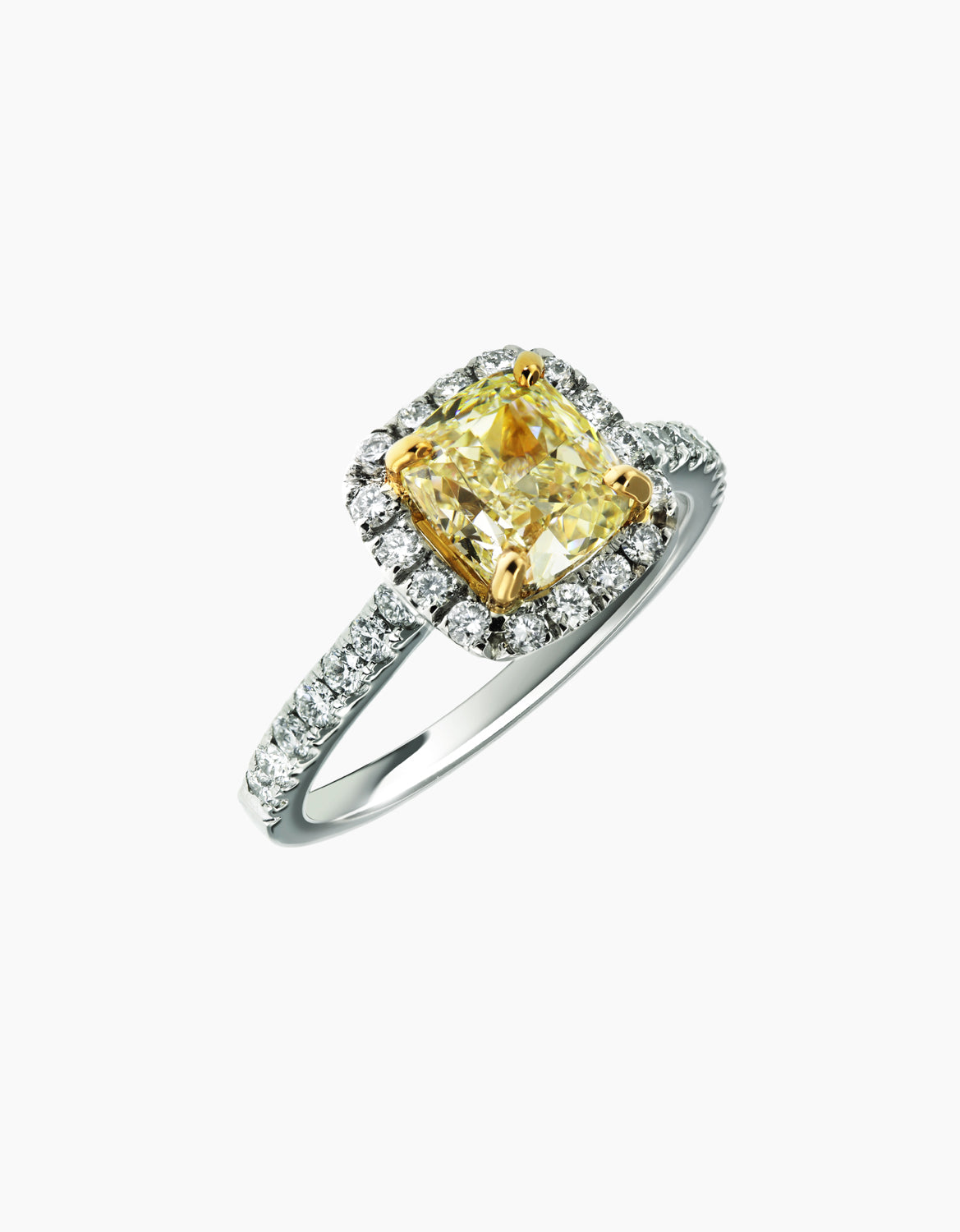
 Rings
Rings
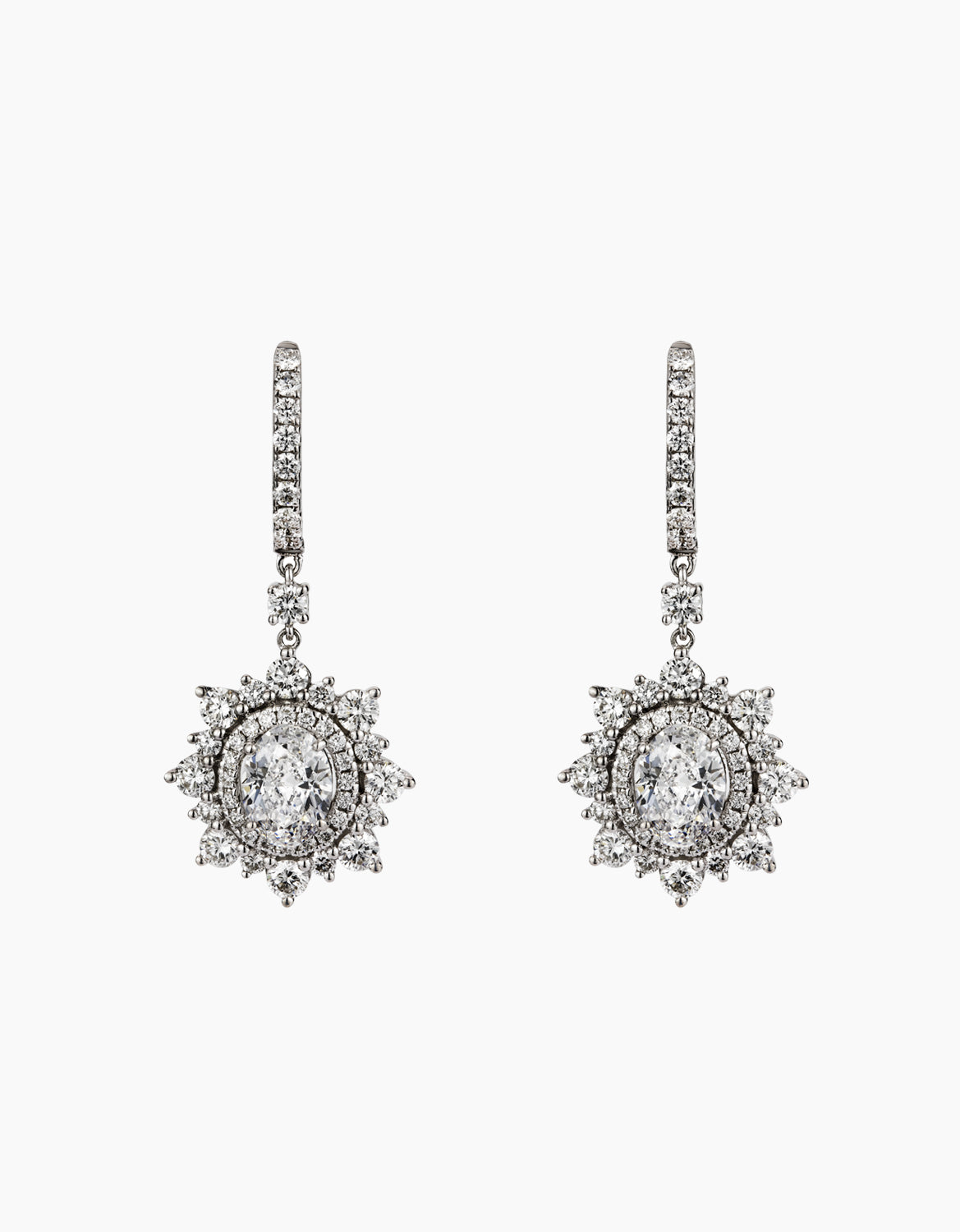 Earrings
 Bracelets & Bangles
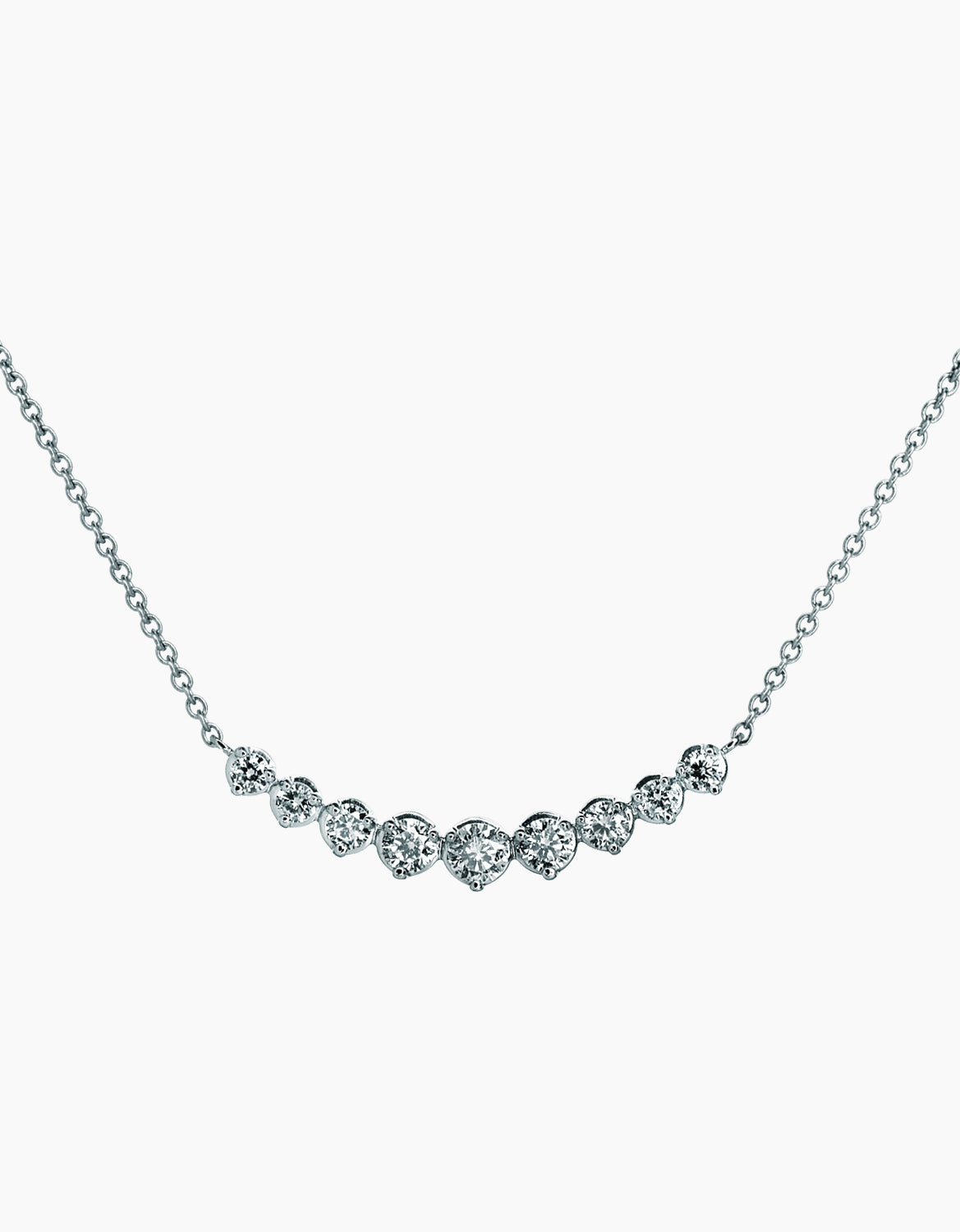 Necklaces & Pendants
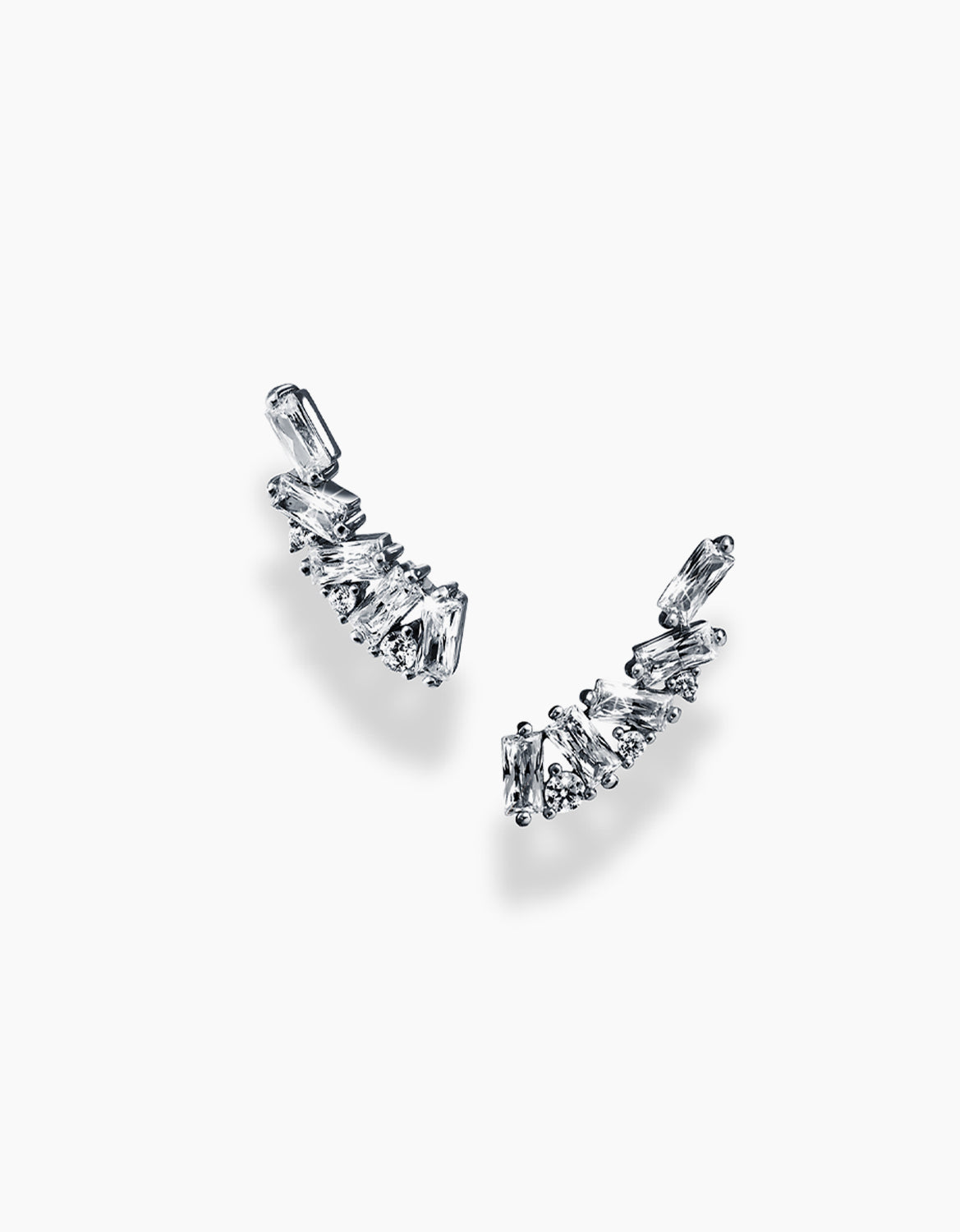 Silver Jewellery


 Our Story
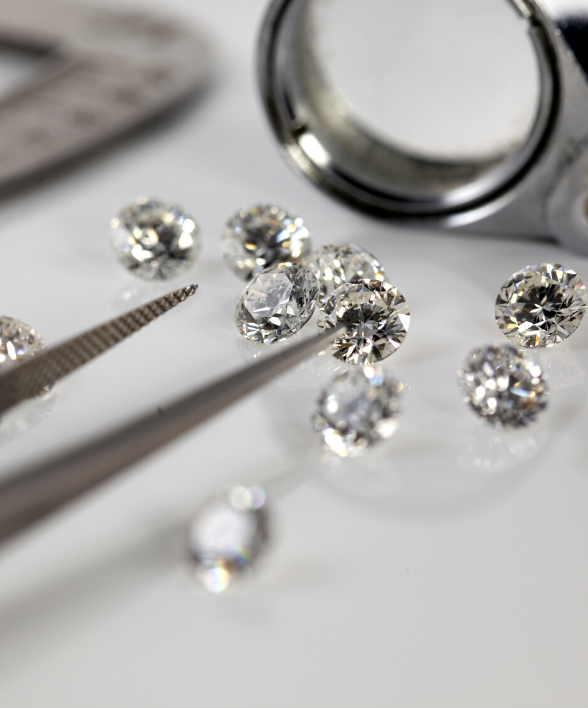 Diamond Buying Guide
 Watch Buying Guide
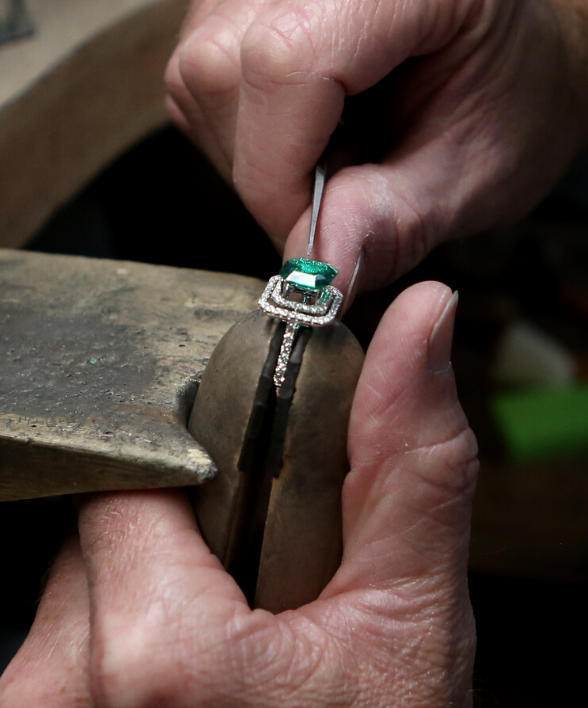 Product Care & Aftercare
 Visit our Showroom
A conventional gold chain is defined by its individual links. Whether crafted as an anchor, curb, Figaro, or rope chain, traditional designs rely on open loops of cast or drawn wire that are hooked together and closed with heat. While these historic profiles have served fine jewellery for centuries, they share inherent physical limitations. Friction between touching jump rings causes metal to wear thin over decades, while rigid solder joins create stiff pivot points that can kink, bind, or pinch delicate skin.
In 1985, Italian fine jeweller Fope introduced an architectural alternative that became the foundation for its modern catalogue: the Novecento mesh. Developed in the family atelier in Vicenza, this design replaced open soldered rings with an intricate, tubular sequence of mechanically interlocking gold components. Examining the bench mechanics, metallurgical tolerances, and structural behavior of the Novecento weave explains why this signature chain remains an industry benchmark for strength and daily comfort.
1985: The Engineering Origins in Vicenza
The creation of the Novecento chain arrived at a significant turning point in Italian jewellery design. During the mid-1980s, third-generation leaders Umberto and Ines Cazzola recognized that modern clients needed jewellery suited to fast-paced daily routines rather than pieces reserved solely for formal evening events. Fine jewellery needed to sit comfortably beneath tailored cuffs, resist snagging on knitwear, and survive active days without demanding constant vigilance.
Drawing on the workshop's heritage as a manufacturer of flexible metal watchstraps for Swiss timepieces, the Cazzola family spent years developing specialized multi-axis machinery. Their goal was to produce a continuous gold chain that moved with the supple drape of silk ribbon while maintaining the structural permanence of solid 18-carat gold.
The result was christened Novecento—the Italian word for the twentieth century. The name reflected both a modern aesthetic departure from antique scrolled chains and an engineering achievement that bridged traditional bench goldsmithing with automated micro-precision.
Mechanical Architecture: The Solder-Free Modular Interlock
To understand why the Novecento mesh performs differently from standard jewellery chains, you have to examine how its components connect at the bench level.
Traditional chains depend on torch soldering. A goldsmith bends a piece of wire into an oval, threads it through the preceding loop, applies a flux paste, and melts a tiny sliver of gold solder across the seam using a concentrated gas flame. While effective, the heat changes the local crystalline structure of the metal, creating an annealed, softer area next to a brittle solder joint. Over years of daily friction, chain links inevitably wear through at these exact contact points.
The Novecento weave eliminates torch soldering entirely along the main body of the chain:
- Tubular Component Geometry: Each individual link is formed as a hollow, multi-faceted geometric cylinder machined from certified 18-carat gold.
- Mechanical Interlocking: Rather than relying on closed rings, the components interlock mechanically. The interior lugs of one link fit into the hollow receiving chambers of the adjacent link, creating a continuous structural chain held together solely by geometry.
- Uniform Tensile Strength: Because no flame torches or foreign solder alloys are applied during weaving, the metallurgical purity and work-hardened temper of the 18-carat gold remain uniform throughout the entire length. There are no brittle heat-affected zones to crack under sudden tension.
Novecento Mesh vs. Conventional Gold Chains
Comparing the physical attributes of the Novecento weave against standard jewellery chains highlights its functional advantages for daily wear.
| Structural Factor | FOPE Novecento Mesh | Traditional Soldered Link Chain (Curb / Cable) |
|---|---|---|
| Join Construction | Mechanical modular interlock; completely solder-free along length | Individual wire loops closed with flame torch solder joints |
| Flexibility Profile | Multi-directional ribbon drape; rolls smoothly without kinking | Unidirectional hinge action; prone to twisting and knotting |
| Skin Contact Surface | Smooth, tumble-polished outer contours; zero sharp burs | Exposed link seams and solder ridges can pinch skin or hair |
| Wear Resistance | Friction distributes evenly across wide internal contact faces | Friction concentrates on thin wire apexes, causing premature thinning |
| Functional Versatility | Serves as a necklace chain or houses Flex'it internal micro-springs | Requires conventional external clasps and jump rings to secure |
The Foundation of Flex’it Innovation
While the Novecento mesh originated as a classic fluid chain for necklaces and clasp-fastened bracelets, its unique hollow architecture made possible the brand's next major breakthrough: the patented Flex'it system in 2007.
When the Vicenza atelier set out to design an expandable, clasp-free gold bracelet, they needed a protective housing for internal tension springs. The hollow internal chambers of the Novecento links provided the exact cavity required. Goldsmiths were able to insert tiny, cold-worked 18-carat gold micro-springs directly inside the interlocking tubular links.
Without the hollow, solder-free architecture of the 1985 Novecento chain, the Flex'it expandable bracelet could not exist. The outer gold mesh serves as an articulated protective shield, protecting the delicate internal gold coils from external impact and dust while limiting overall expansion to a safe 30 percent threshold.
Metallurgical Purity: 18-Carat Gold Formulations
A chain intended for continuous daily contact must balance noble corrosion resistance with surface durability. Every meter of Novecento mesh is woven from solid 18-carat gold, containing 750 parts per thousand of pure fine gold melted on-site in the brand's Vicenza foundry.
The alloy formulations are balanced to optimize link longevity:
- 18ct Yellow Gold: Combines 75 percent pure gold with 12.5 percent silver and 12.5 percent copper, producing the traditional warm tone that has characterized Italian goldwork for generations.
- 18ct White Gold: Formulated with palladium, silver, or copper to yield a bright white base that is finished with rhodium plating to achieve a mirror sheen matching platinum or polished steel.
- 18ct Rose Gold: Enriched with up to 20 percent copper, which imparts a blush tone and increases the Vickers hardness of the alloy, offering higher resistance to daily surface scuffs.
Workshop Maintenance and Care for Novecento Jewellery
The intricate geometry of the Novecento weave requires mindful handling and straightforward at-home hygiene to preserve its fluid articulation.
- Clearing Trapped Oils: Because the mesh consists of interlocking hollow components, body lotions, liquid soaps, and perfumes can wash into the small gaps between links. Soaking necklaces or bracelets in warm water mixed with a few drops of mild dish soap dissolves accumulated grease. Rinse thoroughly under running water and dry flat on a microfibre cloth.
- Storage Alignment: When storing a Novecento necklace, lay the piece flat in a presentation case or coil it gently in a velvet-lined compartment. Never bundle the chain tightly into a knotted ball, which can force adjacent links past their intended rotational limit.
- Bench Inspection: During regular workshop servicing, our bench goldsmiths examine link articulation under magnification, verify that no link walls have suffered blunt crushing impacts, and provide professional ultrasonic cleaning to restore light refraction across every polished facet.
Our workshop specialists in Aberdeen can demonstrate the drape of the historic Novecento weave, check chain dimensions, and help you select matching pieces in our showroom or online.
Frequently Asked Questions
Why is the Novecento chain considered solder-free along its length?
Conventional gold chains link open wire loops that are closed individually using flame torches and solder alloys. The Novecento chain uses interlocking, precision-machined 18-carat gold tubular components that lock together through mechanical geometry alone. Eliminating torch solder points removes brittle, heat-affected areas, allowing the entire length of the mesh to flex without developing stress fractures.
Can a broken or dented Novecento mesh link be repaired?
Yes. Because the chain relies on a modular interlocking system, a specialized workshop can disassemble the affected section, remove damaged or crushed tubular links, and weave fresh 18-carat gold elements into the existing track to restore continuous articulation.
Does the hollow construction of Novecento links make them fragile?
No. While the links are tubular to allow fluid movement and conceal internal springs in Flex'it variants, the wall thickness of the 18-carat gold is engineered to withstand substantial lateral pressure. Normal daily contact, desk wear, and clothing friction will not crush the tubular structure.
How does Novecento mesh differ from traditional Milanese mesh?
Milanese mesh uses tightly wound, spiral-coiled wire sheets that produce a flat, fabric-like metal weave with limited directional flex. Novecento is an architectural tubular chain made from distinct interlocking hollow blocks that rotate slightly in multiple directions, offering ribbon-like drape and greater physical volume.