

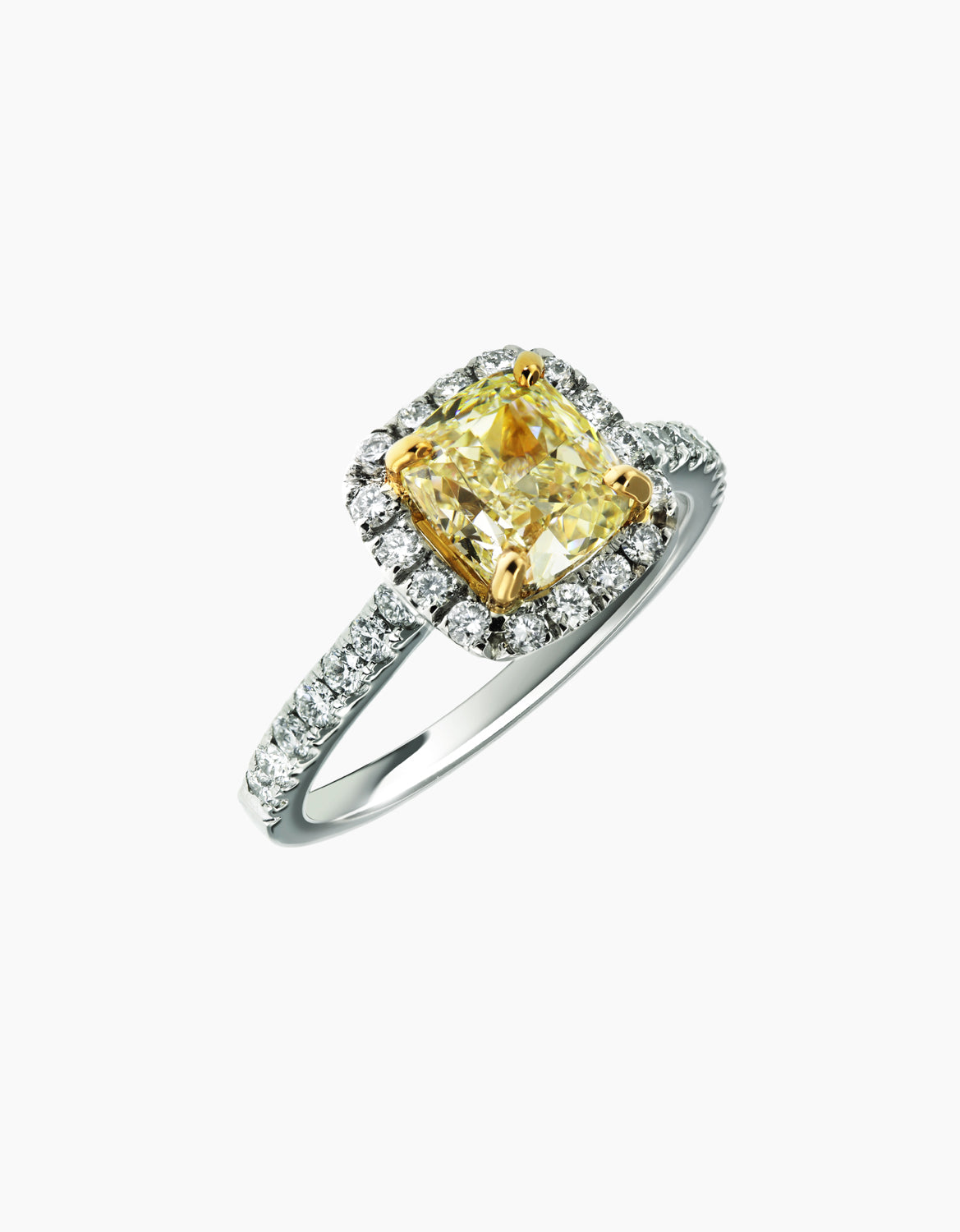
 Rings
Rings
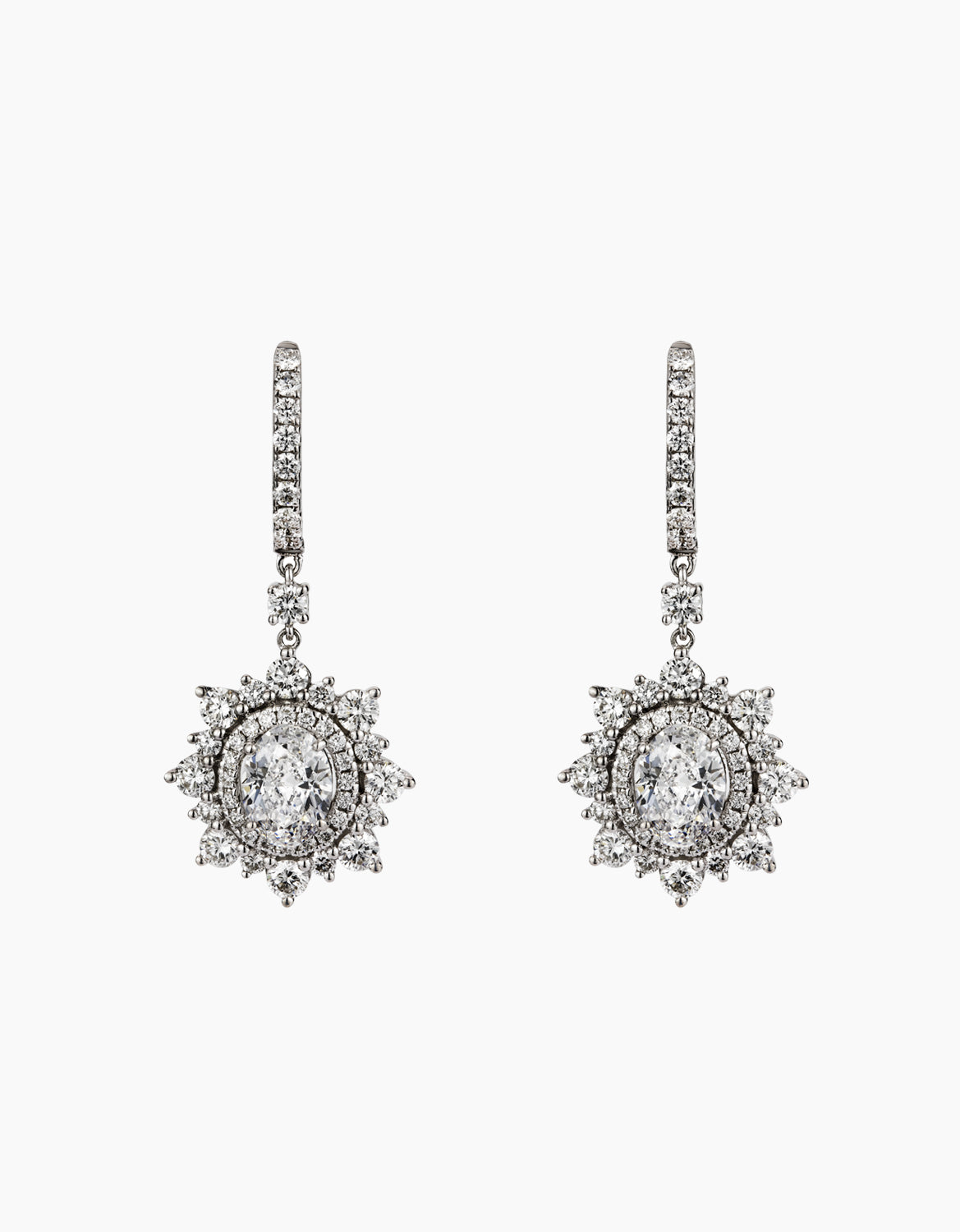 Earrings
 Bracelets & Bangles
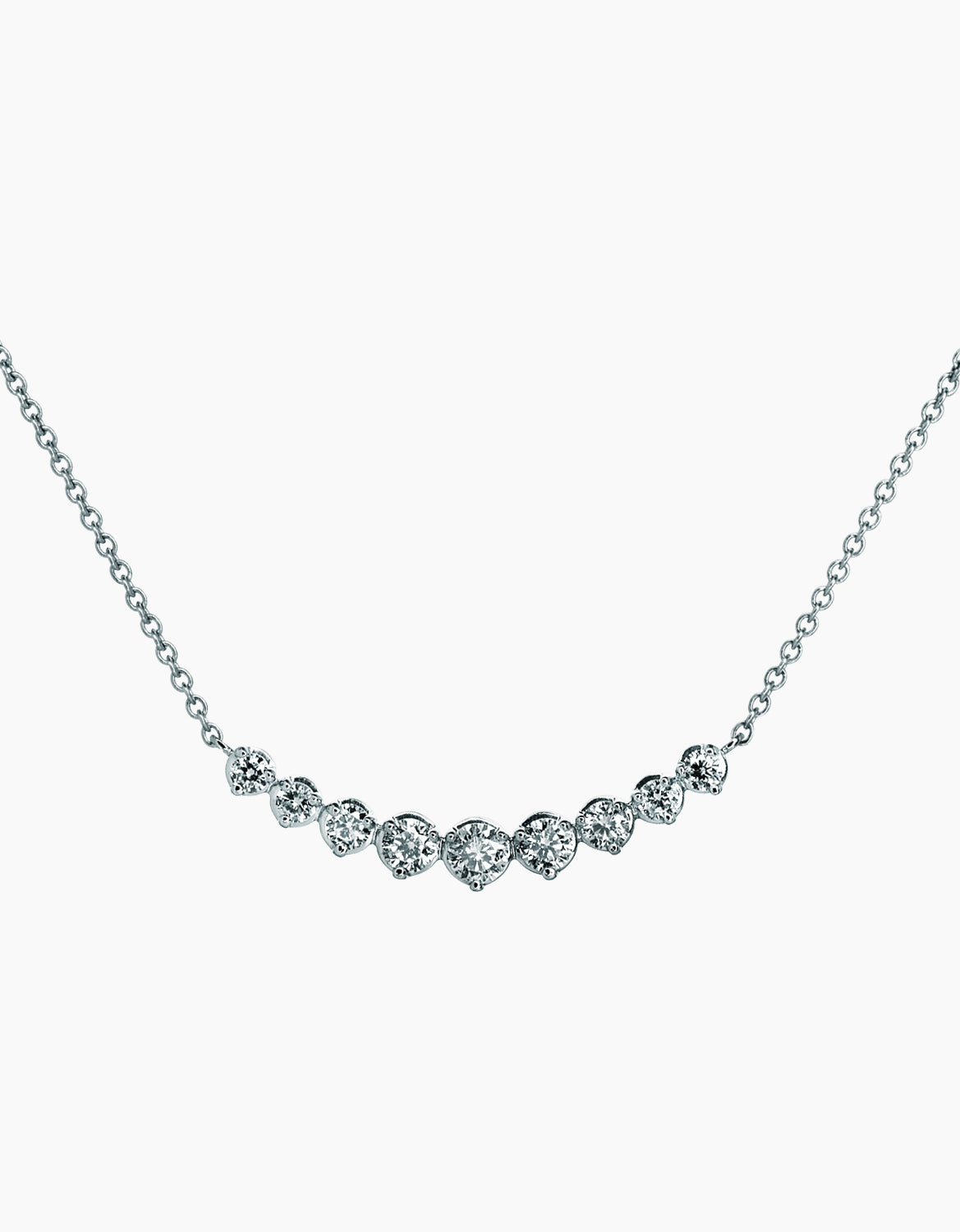 Necklaces & Pendants
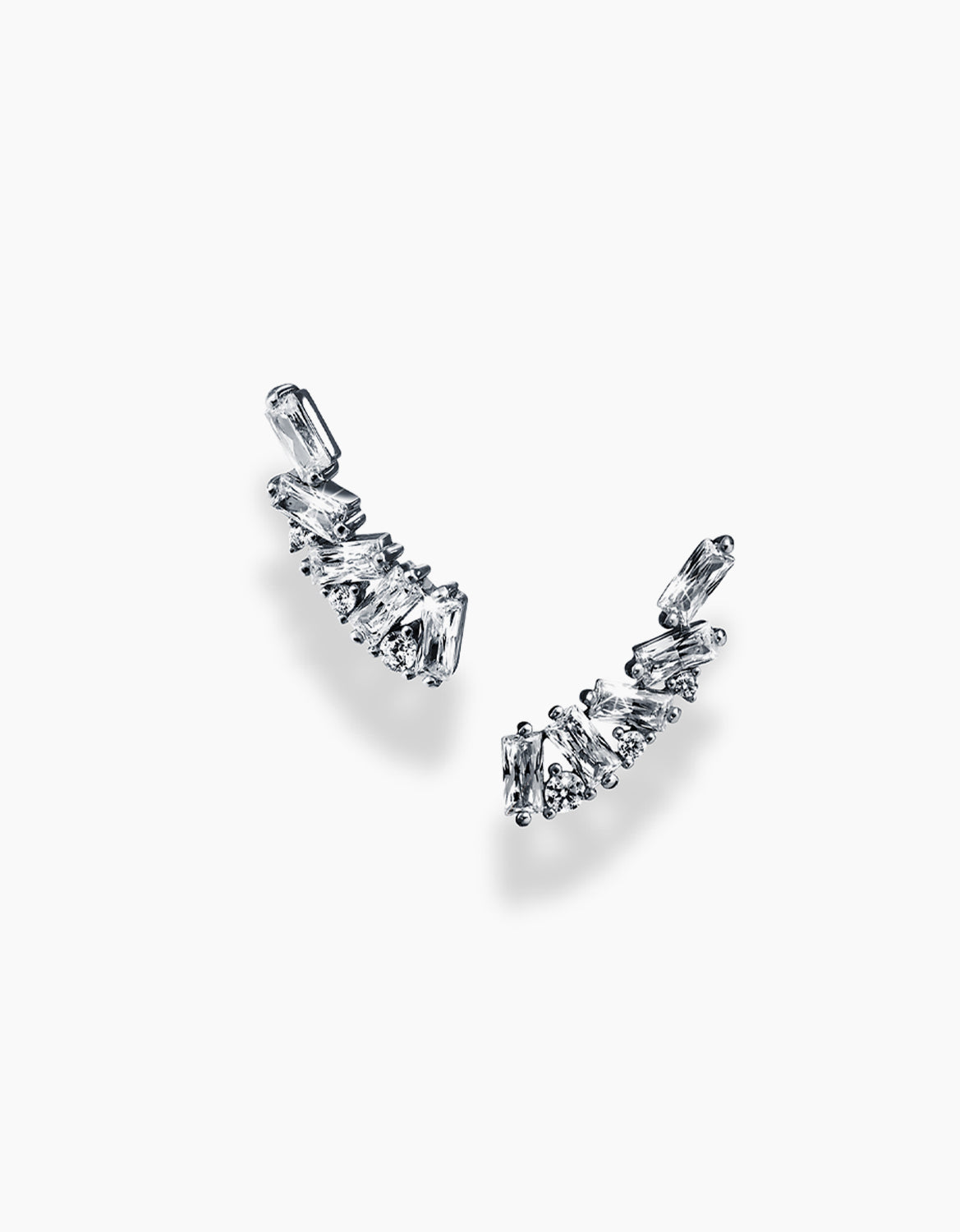 Silver Jewellery


 Our Story
 Diamond Buying Guide
 Watch Buying Guide
 Product Care & Aftercare
 Visit our Showroom
Buying fine jewellery as a gift should feel rewarding, yet it often creates genuine anxiety. When you walk into a traditional showroom or scroll through hundreds of digital product listings, you face unfamiliar terminology, wide price variations, and conflicting advice. You want to choose a piece that your partner will wear for decades, but you worry about picking the wrong metal, getting the finger size wrong, overpaying for invisible details, or dealing with pushy sales staff.
A successful jewellery gift relies on structural craft, honest materials, and everyday durability rather than mystery or high-pressure retail tactics. This guide explains how to evaluate fine jewellery, select the right design, and protect your investment without guesswork.
1. Choosing the Right Metal: Platinum, Yellow Gold, and White Gold
The base metal of any piece of jewellery dictates its weight, colour, resistance to wear, and long-term maintenance requirements. Fine jewellery uses solid precious metals that can be sized, repaired, and restored by an on-site goldsmith.
Platinum
Platinum is a naturally white, dense metal that does not lose volume when scratched. Over years of daily wear, tiny abrasions displace the metal rather than wearing it away, creating an authentic matte sheen known as a patina.
• Platinum is hypoallergenic, making it ideal for sensitive skin.
• It holds diamonds and gemstones securely due to its high density and strength.
• It requires no rhodium plating to maintain its cool, grey-white colour.
• It is heavier on the finger or wrist than gold alloys.
18ct Yellow Gold and White Gold
Gold in its pure form is too soft for daily fine jewellery wear. It is alloyed with other metals like copper, silver, and zinc to create durable, workable alloys. The carat rating indicates the purity of gold by weight. 18ct gold contains 75% pure gold, offering an ideal balance between deep colour and durability.
18ct Yellow Gold: This alloy offers a warm, rich yellow tone. It resists daily corrosion, pairs well with traditional settings, and holds up well to repeated bench work and sizing.
18ct White Gold: This alloy is mixed with white metals, then finished with a thin layer of rhodium to give it a bright white surface. Over time, friction will gradually expose the warmer undertone of the gold beneath. An on-site workshop can clean, polish, and re-plate white gold to restore its original finish.
9ct Gold
9ct gold contains 37.5% pure gold. It is harder on the surface than 18ct gold because of its higher proportion of base metals, but it is more brittle under high stress. For milestone pieces, engagement designs, and heirloom gifts, 18ct gold and platinum offer superior longevity, better corrosion resistance, and easier long-term bench maintenance.
2. Selecting Diamonds: Focus on Light, Cut, and Proportions
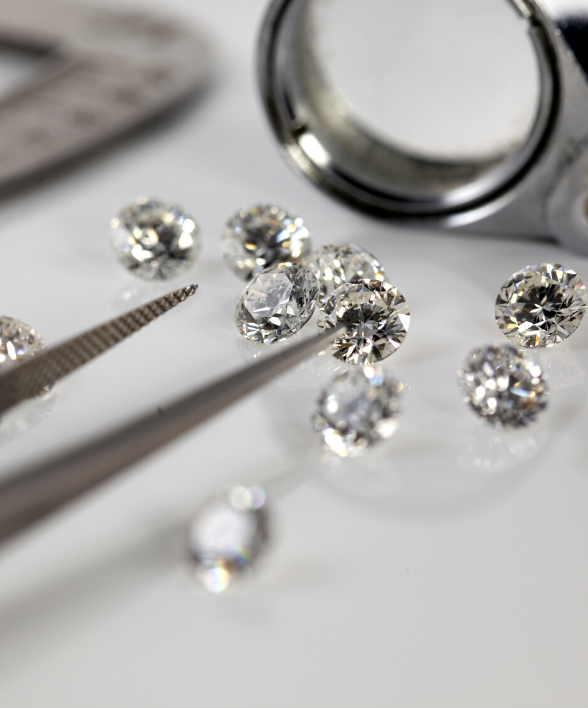
Diamond grading certificates list many technical numbers, but cut quality matters most to the naked eye. A diamond functions as a series of tiny mirrors. When cut to proper mathematical proportions, light enters through the top, bounces across the interior facets, and reflects back to your eye as bright white light and coloured fire.
The Four Factors of Diamond Quality
1. Cut: This is the only factor determined by human craft rather than nature. An excellent cut ensures maximum brilliance and visual spread. A poorly cut diamond leaks light through the bottom or sides, leaving the stone looking dull, dark, or smaller than its actual carat weight.
2. Colour: Diamond colour is graded from D (completely colourless) through to Z (noticeable yellow or brown tint). Grades from D to F appear icy white. Grades G and H offer exceptional visual value, as they look white in everyday settings while keeping costs manageable.
3. Clarity: Clarity measures natural internal markings (inclusions) and surface blemishes. Grades range from Flawless down to Included. Inclusions in VS1, VS2, and clean SI1 diamonds are invisible without a 10x jeweller's loupe. Investing in invisible clarity grades adds cost without changing how the stone looks across a dinner table.
4. Carat Weight: Carat refers to diamond weight, not direct surface area. A well-proportioned diamond will display its full spread across the top surface, whereas a stone cut too deep hides its weight where nobody sees it.
Always ask for a diamond certified by an independent laboratory, such as the Gemological Institute of America (GIA). A certificate guarantees that the stone's colour, clarity, and dimensions have been verified by neutral specialists.
3. How to Pick the Correct Size in Secret
Giving a ring or fitted bracelet as a surprise gift often causes anxiety around sizing. A few practical methods can help you determine the correct size without giving away your plans.
| Sizing Method | Practical Execution | Reliability Rating |
|---|---|---|
| Borrow an existing ring | Take a ring your partner wears on the correct finger directly to a jeweller for measurement on a calibrated mandrel. | High |
| Trace the inside diameter | Place an existing ring on paper and trace the inside circle with a fine-point pencil. | Moderate |
| Consult close friends or family | Ask a trusted parent, sibling, or friend who may already know the ring size or can ask discreetly. | Moderate |
| Select a standard size and adjust later | Choose an average size in a simple band that an on-site workshop can resize easily. | High (Safe Fallback) |
Setting Styles and Future Resizing
Some ring designs can be altered easily, while others cannot. When planning a surprise gift, consider how the setting impacts future adjustments:
• Simple Solitaires and Three-Stone Rings: Plain metal bands allow a goldsmith to cut, adjust, and re-solder the band cleanly without disturbing the stone settings.
• Full Eternity Bands: Because diamonds or gemstones wrap around the entire circumference of the band, full eternity rings cannot be resized. Choose a half-eternity or three-quarter eternity band if you are not certain of the exact finger measurement.
• Tension Settings: Rings where the diamond is held purely by the pressure of the metal band require precise factory measurements and resist simple workshop sizing.
4. Classic Jewellery Gift Categories
When selecting fine jewellery, sticking to proven design archetypes ensures that the piece fits into daily routines, pairs well with existing collections, and avoids fast-moving fashion trends.
Diamond Stud Earrings
Diamond stud earrings are one of the most versatile gifts in fine jewellery. They transition effortlessly from casual wear to formal events.
• Settings: Four-prong basket settings allow maximum light to reach the diamond. Rub-over (bezel) settings surround the stone with a thin border of metal, offering extra protection and creating the illusion of a larger diamond.
• Fastenings: Standard friction push-backs work well for lightweight studs. For larger, valuable diamonds, threaded screw-backs or positive-locking mechanisms prevent the earrings from working loose during daily activity.
Solitaire Diamond and Gemstone Pendants
A pendant rests directly against the skin, making chain strength and setting balance essential.
• Chain Proportions: Look for a solid trace, curb, or wheat chain made from matching 18ct gold or platinum. Chains between 16 and 18 inches sit comfortably below the collarbone on most people.
• Setting Geometry: Ensure the pendant has a flat back or a balanced bale so that the stone sits upright against the chest rather than flipping over while moving.
Diamond Line (Tennis) Bracelets
A classic tennis bracelet features a continuous, flexible strand of individually set diamonds.
• Flexibility and Articulation: Each link should hinge smoothly without catching or binding.
• Clasp Security: Fine bracelets must feature a primary box clasp supported by at least one figure-eight safety clip to stop accidental opening.
5. Coloured Gemstones and the Mohs Hardness Scale
Precious gemstones add colour, personal symbolism, and individuality to a jewellery gift. However, not all coloured stones have the structural hardness needed for daily wear. The Mohs scale rates mineral hardness from 1 (talc) to 10 (diamond). Harder stones resist scratching and chipping from contact with hard surfaces.
The Big Three Coloured Gemstones
1. Sapphires (Mohs 9): Made of the mineral corundum, sapphires are exceptionally durable. While blue is the most recognised colour, sapphires occur naturally in yellow, pink, green, and peach. They withstand daily ring wear without clouding or abrading.
2. Rubies (Mohs 9): Also formed from corundum, rubies display rich red hues caused by trace amounts of chromium. Their exceptional hardness makes them suitable for daily rings and milestone pieces.
3. Emeralds (Mohs 7.5 to 8): Emeralds belong to the beryl family. While hard, they naturally contain internal inclusions and micro-fractures known as the garden (jardin). Emeralds require secure protective settings, such as bezels or heavy corner prongs, to shield the stone from direct side impacts.
6. How Master Goldsmiths Construct Fine Jewellery
A piece of fine jewellery should survive generations of wear. When evaluating a piece, inspect the underlying metalwork and setting mechanics.
Prong Security
Prongs (claws) hold the gemstone firmly against the metal seat. Look for claws that are rounded, smooth, and evenly spaced around the perimeter of the stone. Thin, flat, or uneven prongs can snag on knitwear, bend under pressure, and cause stones to work loose.
Bezel and Rub-Over Settings
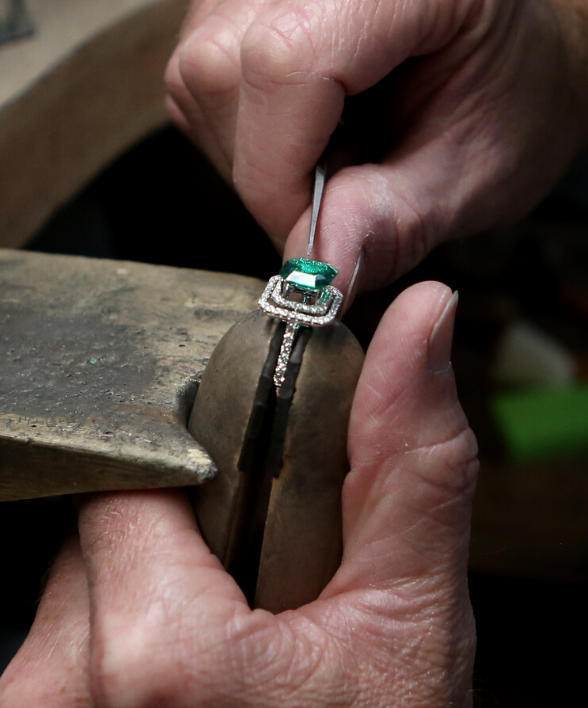
A rub-over setting encases the entire perimeter of the diamond or gemstone in solid metal. Goldsmiths push this metal over the girdle of the stone by hand. This setting style eliminates prongs completely, protects the stone's edges from accidental knocks, and creates a smooth profile that never catches on clothes.
Hallmarks and Metal Provenance
Under the UK Hallmarking Act 1973, every authentic piece of precious metal jewellery sold in the United Kingdom above statutory weight thresholds must carry an official hallmark from an authorised UK Assay Office. A hallmark confirms that the metal has been independently tested and matches the stated purity standard.
An authentic UK hallmark includes three compulsory marks:
• The Sponsor's Mark (the unique registered mark of the maker, manufacturer, or retailer).
• The Millesimal Fineness Mark (verifying the metal type and purity, such as 750 for 18ct gold or 950 for platinum).
• The Assay Office Mark (identifying which official office tested and hallmarked the article).
7. Caring for Fine Jewellery Over a Lifetime
Proper care keeps fine jewellery bright and structurally secure for generations.
Cleaning at Home
• Mix warm water with a few drops of mild washing-up liquid in a small bowl.
• Soak the jewellery for ten to fifteen minutes to loosen oils, lotions, and dust.
• Gently clean behind the stones and around the prongs using a soft, clean toothbrush.
• Rinse thoroughly in clean warm water, and dry with a lint-free cloth.
• Never use abrasive cleaners, bleach, or household chemicals on precious metals and gemstones.
Professional Workshop Inspections
Fine jewellery should undergo a professional workshop inspection every twelve to twenty-four months. A master goldsmith will clean the piece in an ultrasonic tank, check claw tension under magnification, test for stone movement, and re-tighten prongs before a stone becomes loose.
8. Explore Our Curated Fine Jewellery Collections
Choosing a meaningful gift becomes straightforward when you work with certified diamond specialists and bench craftspeople who provide honest, down-to-earth guidance.
Browse our full collection of certified diamond jewellery, coloured gemstone pieces, and luxury watches directly online:
Explore the Finnies Fine Jewellery Gift Collection