

 Rings
Rings
 Earrings
 Bracelets & Bangles
 Necklaces & Pendants
 Silver Jewellery


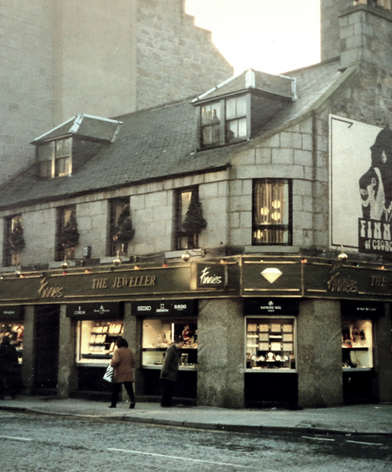 Our Story
 Diamond Buying Guide
 Watch Buying Guide
 Product Care & Aftercare
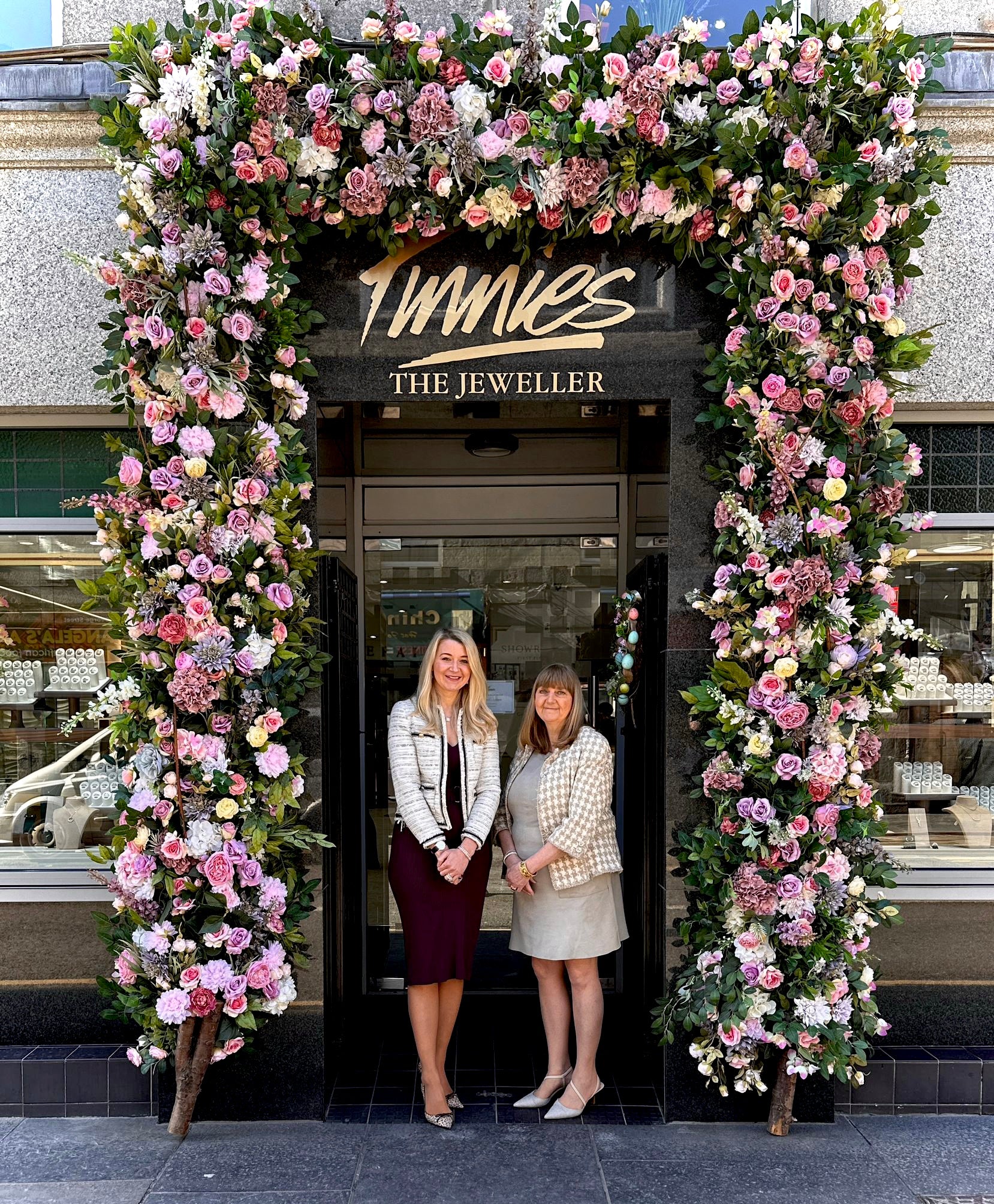 Visit our Showroom
The Resurgence of 1970s Integrated Bracelet Gold Watches
In the illustrious world of haute horlogerie, design trends flow in cyclical waves, yet few aesthetics have made as dramatic and triumphant a comeback as 1970s gold watch design. Over the past several seasons, style connoisseurs and serious watch collectors have increasingly turned their gaze away from ubiquitous modern steel sports models toward the warm, luxurious embrace of integrated bracelet gold watches. These striking creations, which seamlessly blur the boundary between fine jewellery and micro-engineering, represent a high-water mark of hand-finished artisanal luxury.
When exploring the lineage of high-society evening wear, one quickly realizes that the 1970s was an era of unprecedented artistic freedom. Master watchmakers and goldsmiths abandoned the conservative, austere dress watch codes of the mid-20th century in favour of bold geometric silhouettes, rich surface textures, and fluid metalwork. At the absolute forefront of this movement stood premier houses like Chopard, whose mastery of gold sculpting elevated timepieces into mesmerizing liquid-metal bracelets designed to sparkle under ballroom chandeliers. To fully grasp this aesthetic era, one must explore the broader realm of Chopard Heritage & Cocktail Timepieces, where goldsmithing and watchmaking exist in perfect, harmonious alignment.
The Architectural Genius of Integrated Construction
To appreciate why integrated gold bracelets are surging in popularity today, it is essential to understand the complex manufacturing techniques required to create them. Unlike traditional watches—where a standard round or rectangular case is attached to a leather strap or separate metal bracelet via removable spring bars—an integrated watch is designed as a single, cohesive sculptural unit. The lines of the watch case flow uninterrupted directly into the tapering links of the bracelet, creating an uninterrupted ribbon of precious metal around the wrist.
Achieving this level of seamless integration requires exceptional goldsmithing skills. Each individual link must be engineered with micro-tolerances to allow fluid movement and comfort while maintaining structural rigidity. During the 1970s, techniques such as Milanese mesh weaving, hand-chased chevron patterns, and bark finishing were developed to give solid 18-karat gold an astonishingly organic texture. The gold was not merely polished; it was carved, hammered, and woven to catch and refract light from every conceivable angle.
This architectural approach transforms the watch from a functional tool into an expressive piece of wearable art. When worn beneath the cuff of a velvet dinner jacket or paired with an elegant silk evening gown, an integrated bracelet gold watch makes an immediate, sophisticated statement. It signals an appreciation for historical craftsmanship and tactile luxury that modern, mass-produced luxury items simply cannot replicate.
The Modern Cultural Shift: Why the 1970s Aesthetic Prevails
The contemporary renaissance of 1970s gold watches is driven by a profound shift in collector values. Modern watch enthusiasts are increasingly seeking individuality, warmth, and character in their collections. After decades dominated by utilitarian, monochromatic stainless steel timepieces, the rich, sun-kissed tone of 18-karat yellow gold offers a refreshing contrast that feels both deeply nostalgic and strikingly modern.
Furthermore, contemporary fashion has embraced fluid, unisex luxury styling. The 1970s were famous for blurring gender lines in fashion, producing evening watches with slim, elegant profiles and stone dials that appealed equally to men and women. Modern collectors appreciate these versatile proportions—typically ranging between 30mm and 36mm in diameter—which sit comfortably and discreetly on the wrist while delivering maximum visual impact.
This period also witnessed intense artistic rivalry among top Swiss houses, as master artisans competed to create the most audacious and beautifully constructed evening timepieces. Comparing the architectural strategies of competing manufactures, such as evaluating Piaget vs Chopard 1970s evening watches, illustrates how this golden decade pushed the boundaries of ultra-thin movements and organic gold finishing.
Evaluating Vintage Integrated Gold Watches: A Collector's Framework
Acquiring a vintage 1970s integrated gold watch requires specialized knowledge, as these timepieces possess unique characteristics that differ from standard vintage sports watches. Collectors should utilize the following checklist when evaluating potential additions to their portfolio:
- Bracelet Integrity and Stretch: Inspect the bracelet links for sign of wear, stretch, or past repairs. Integrated gold mesh and bark-finished bracelets are difficult to repair without disrupting the seamless pattern. Ensure the mesh remains supple and free from kinks or sharp solder points.
- Authenticity of Surface Finishes: Original 1970s surface finishes—such as bark, linen, or cobble textures—should be crisp and defined. Over-polishing by inexperienced jewellers can flatten these delicate hand-carved textures, permanently reducing the watch's aesthetic and collector value.
- Sizing Constraints: Because integrated gold bracelets are welded or directly linked to the case, sizing options can be limited. Always verify the overall wrist size and check if the original ladder clasp offers adjustment notches before purchasing.
- Hallmarks and Stamps: Authentic 1970s pieces feature crisp Swiss precious metal hallmarks (such as the Helvetia head or 750 gold stamp) along with maker's marks on the clasp, case back, and inner case.
Sartorial Styling: How to Wear 1970s Gold Today
Styling a vintage 1970s integrated bracelet watch in the modern era is an exercise in confident understated luxury. For formal cocktail attire and black-tie events, allow the warm gold tones and rich bracelet texture to serve as the focal point of your wrist. Pair yellow gold integrated pieces with rich dark fabrics—such as midnight blue velvet, deep emerald, or classic black tuxedo wool—to create a striking, sophisticated contrast.
For smart-casual or daytime formal events, an integrated gold watch elevates tailored linen suits, crisp white poplin shirts, or luxury knitwear. The key to wearing these vintage masterpieces with modern flair is moderation: let the watch stand as your primary piece of jewellery, avoiding overly complex bracelets on the same wrist to allow the intricate gold work to shine in unhindered glory.