

 Rings
Rings
 Earrings
 Bracelets & Bangles
 Necklaces & Pendants
 Silver Jewellery


 Our Story
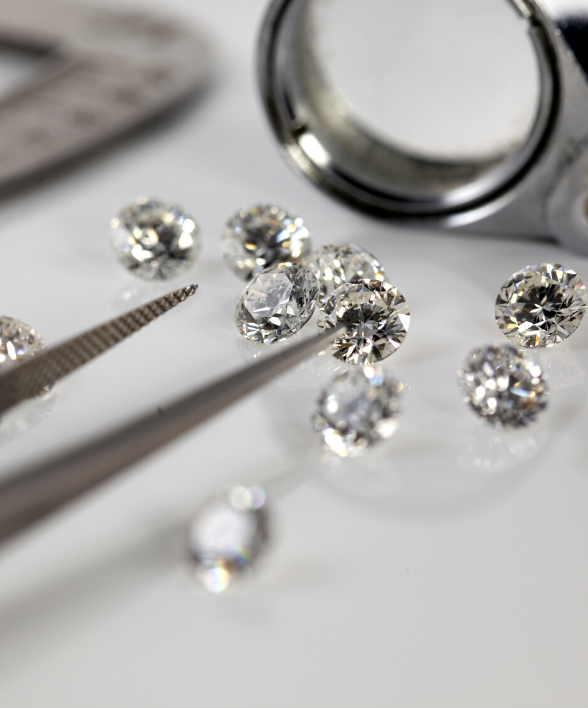 Diamond Buying Guide
 Watch Buying Guide
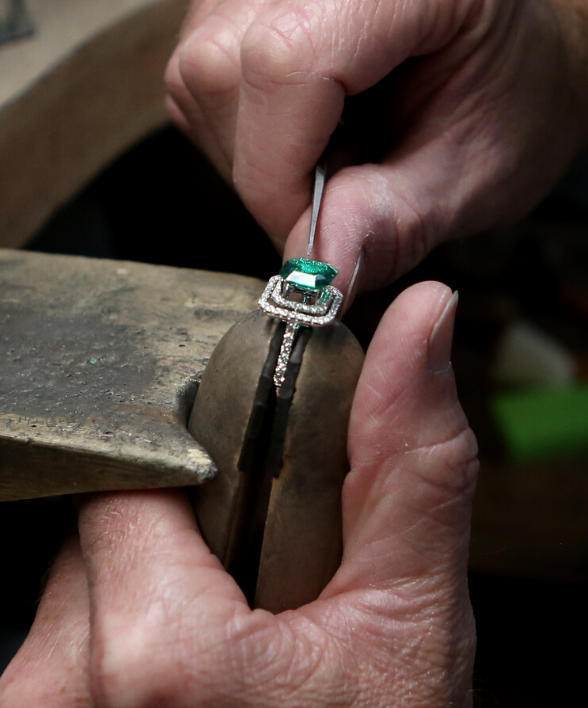 Product Care & Aftercare
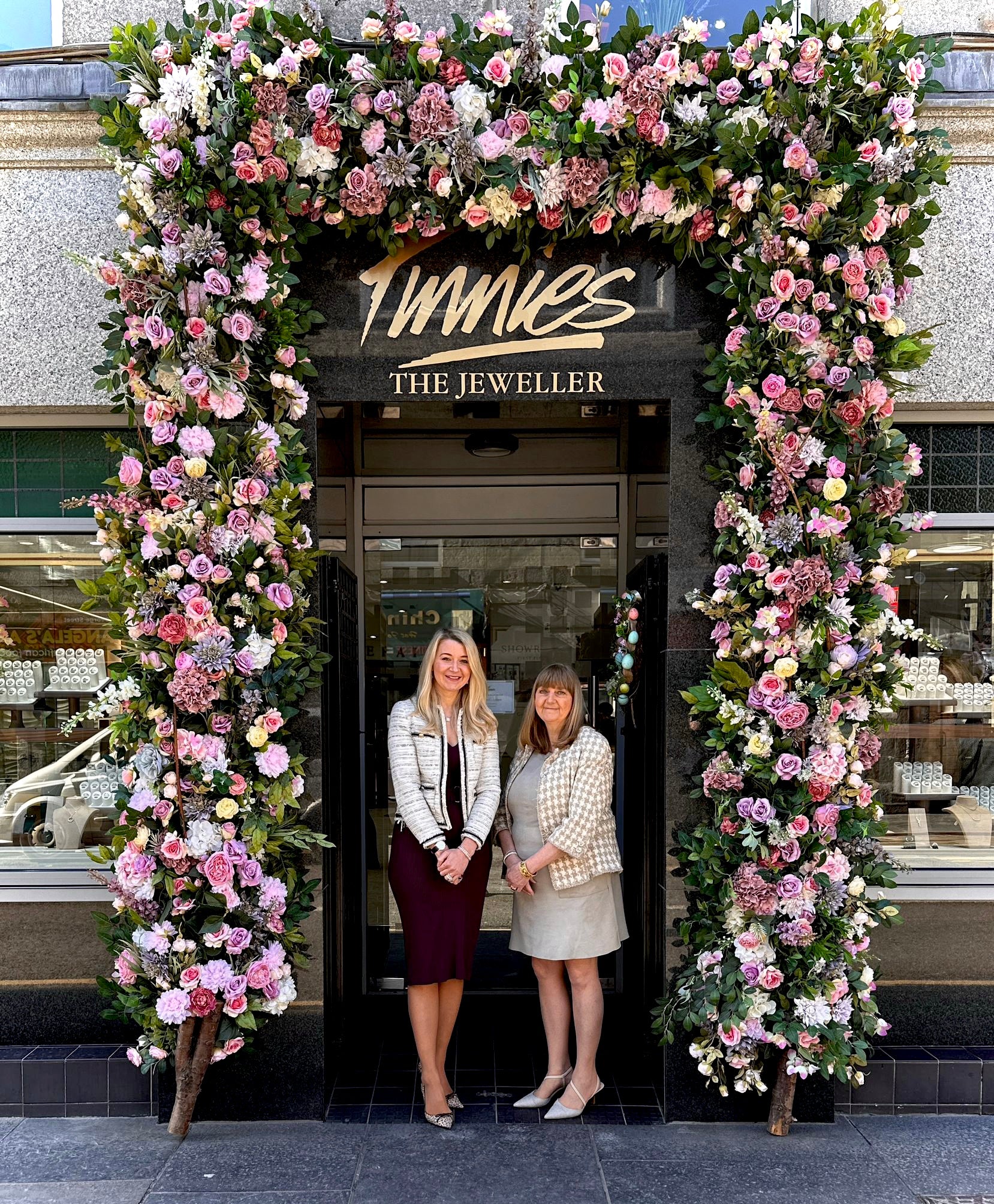 Visit our Showroom
Traditional gold bracelets depend on mechanical hardware to stay secure. Lobster catches, box clasps, figure-eight safety catches, and hinged tongues keep rigid links or solid bangles anchored around the wrist. While these components are standard across fine jewellery, they present daily practical hurdles. Fastening a small spring catch with one hand is awkward, clasps can snag on clothing, and rigid hinge joints concentrate mechanical stress onto single solder points.
In 2007, Italian fine jeweller Fope introduced a technical solution that removed external clasps entirely from fine gold link jewellery: the patented Flex'it system. By concealing dozens of microscopic 18-carat gold springs inside flexible woven mesh links, the Vicenza-based brand engineered an expandable bracelet that rolls smoothly over the knuckles and contracts neatly against the wrist. Examining the metallurgical science and bench mechanics behind this invention reveals why Flex'it changed modern Italian goldsmithing.
The Vicenza Goldsmithing Heritage and Novecento Weave
Founded in 1929 by Umberto Cazzola in Vicenza—the historic heart of Italian gold manufacturing—FOPE began as an artisanal workshop specialising in watch cases and metal watchstraps. Over several decades, the family business adapted high-precision industrial tooling to traditional jewellery fabrication, focusing on flexible mesh links that could withstand continuous movement.
A major milestone came in 1985 with the creation of the Novecento mesh. Unlike simple cast curb or cable links, Novecento uses an intricate geometric weave of hollow 18-carat gold components linked without visible solder seams. This tubular architecture gave necklaces and bracelets fluid, ribbon-like flexibility while remaining structurally durable.
The Novecento weave laid the mechanical foundation for Flex'it. Having perfected an articulated gold link track that felt smooth against the skin, the workshop spent years solving the next engineering puzzle: how to give solid 18-carat gold elastic memory without using base metals or rubber bands.
Micro-Spring Engineering: 100% 18-Carat Gold Elasticity
In industrial engineering, springs are made from tempered carbon steel or specialized alloys. Gold is naturally a dense, ductile noble metal that bends, stretches, and remains deformed under pressure rather than bouncing back. Introducing non-precious steel springs inside a fine gold bracelet, however, would degrade the purity of the piece, create galvanic corrosion where the two metals meet, and risk rusting when exposed to moisture.
FOPE resolved this problem through metallurgical research and specialized cold-working. The atelier developed an 18-carat gold alloy formulation combined with mechanical work-hardening techniques that impart genuine spring temper directly into gold wire coils.
Depending on the case profile and bracelet model, dozens of these miniature 18-carat gold springs are concealed inside the woven links. Each tiny spring connects adjacent link modules. When the bracelet is pulled open, the gold springs compress or elongate uniformly across the entire circumference, absorbing tension evenly rather than focusing strain on a single joint. When released, the elastic memory of the gold pulls every link back into its original resting diameter.
Flex'it Architecture vs. Traditional Clasp Construction
Comparing the functional properties of flexible gold mesh against conventional articulated link bracelets highlights the ergonomic advantages of the system.
| Design Factor | FOPE Flex'it System | Conventional Clasp-Fastened Bracelet |
|---|---|---|
| Closure Mechanism | Clasp-free; continuous expandable loop driven by internal gold springs | Lobster catch, tongue-in-groove box clasp, or magnetic barrel |
| Fastening Convenience | Rolls directly over hand in seconds; requires no assistance to put on | Requires two hands or assistance to manipulate catch pins and safety levers |
| Mechanical Stress Distribution | Tensile load distributes evenly across dozens of hidden micro-springs | Stress concentrates directly on jump rings, end links, and clasp hinges |
| Precious Metal Integrity | 100% 18ct gold throughout; no steel springs, base metals, or silicone cores | Steel internal springs frequently used in standard lobster clasps |
| Skin Ergonomics | Seamless tubular weave; no sharp clasp corners to snag knitwear or pinch hair | Exterior catches and security arms can catch fabric or scrape surfaces |
Stress Testing: Mechanical Endurance in the Vicenza Atelier
A frequent concern for buyers considering an expandable bracelet is whether the links will stretch out and sag over time. To ensure long-term shape retention, FOPE subjects every Flex'it model to demanding automated bench trials.
In the Vicenza production facility, custom testing rigs repeatedly stretch each bracelet design through [UNVERIFIED — check this or replace it] thousands of continuous expansion and contraction cycles, simulating decades of daily wear. The gold springs must return to their exact starting dimensions without loss of tension, link warping, or structural fatigue.
This durability allows the Flex'it architecture to expand beyond bracelets into expandable rings. Because fingers naturally swell and contract due to weather, travel, and seasonal shifts, an expandable ring absorbs subtle variations in finger circumference, providing a secure fit across adjacent knuckles without painful compression.
Core Collections Featuring the Flex'it Mechanism
The patented spring technology spans several distinct collections, each offering unique link geometries and diamond details.
- Eka: The debut Flex'it collection. Features a rounded, classic tubular link that provides subtle everyday volume and comfortable rolling action across the wrist.
- Prima: A fine, lightweight mesh design engineered for understated daily wear. Prima links feature a delicate, slim diameter that stacks naturally alongside mechanical watches or fine diamond bangles.
- Panorama: A wider, flatter link geometry with a low profile against the skin. Panorama bracelets feature diamond-set gold rondels positioned flat against the wrist.
- Vendôme: Oval-section links that contour closely to the natural oval shape of human wrist bones, offering a tailored, ergonomic silhouette.
Workshop Care and Daily Maintenance
Because Flex'it jewellery contains internal moving springs within hollow gold links, simple daily care preserves the spring action and gold surface.
- Rolling Motion: When putting on or removing a Flex'it bracelet, roll the band gently over the hand rather than pulling it open from one side. Rolling distributes expansion force symmetrically around the complete ring of springs.
- Clearing Internal Debris: Dust, hand cream, and soap residue can collect inside the hollow mesh. Soaking the piece in lukewarm water with mild liquid dish soap dissolves grease. Rinse thoroughly with clean running water and dry with a soft microfibre cloth so water does not remain trapped inside the coils.
- Avoiding Severe Hyperextension: While the springs accommodate normal hand passage, pulling the bracelet with excessive force beyond its engineered limit can bend the gold wire past its elastic yield point. Our bench goldsmiths can inspect mesh tension and replace damaged link sections if an accidental snag occurs.
You can try on the Flex'it collections, test bracelet sizing, and consult our non-commissioned team in our Aberdeen showroom or browse online.
Frequently Asked Questions
Do the internal springs contain steel or base metals?
No. The Flex'it system uses springs crafted entirely from 18-carat gold. FOPE developed a specialized metallurgical formula and cold-working process that imparts spring temper and high tensile elasticity to noble gold, avoiding base metals that could corrode, discolor, or trigger skin allergies.
Will a Flex'it bracelet stretch out and lose its shape over time?
Under normal daily wear, no. The internal gold springs undergo rigorous mechanical testing, enduring tens of thousands of expansion and retraction cycles in the Vicenza atelier to confirm they return to their original resting diameter without sagging or slack.
Can a Flex'it bracelet or ring be repaired if overstretched?
Yes. If an accidental snag forces links beyond their physical yield point, a workshop can dismantle the link section, inspect the mesh framework, and replace individual gold micro-springs to restore the original tension.
How do I know what size Flex'it bracelet to choose?
Because the bracelet rolls gently over the widest part of the hand before contracting around the wrist, sizing depends on wrist circumference and hand span. The band should sit comfortably without pinching skin or pulling taut at rest.