

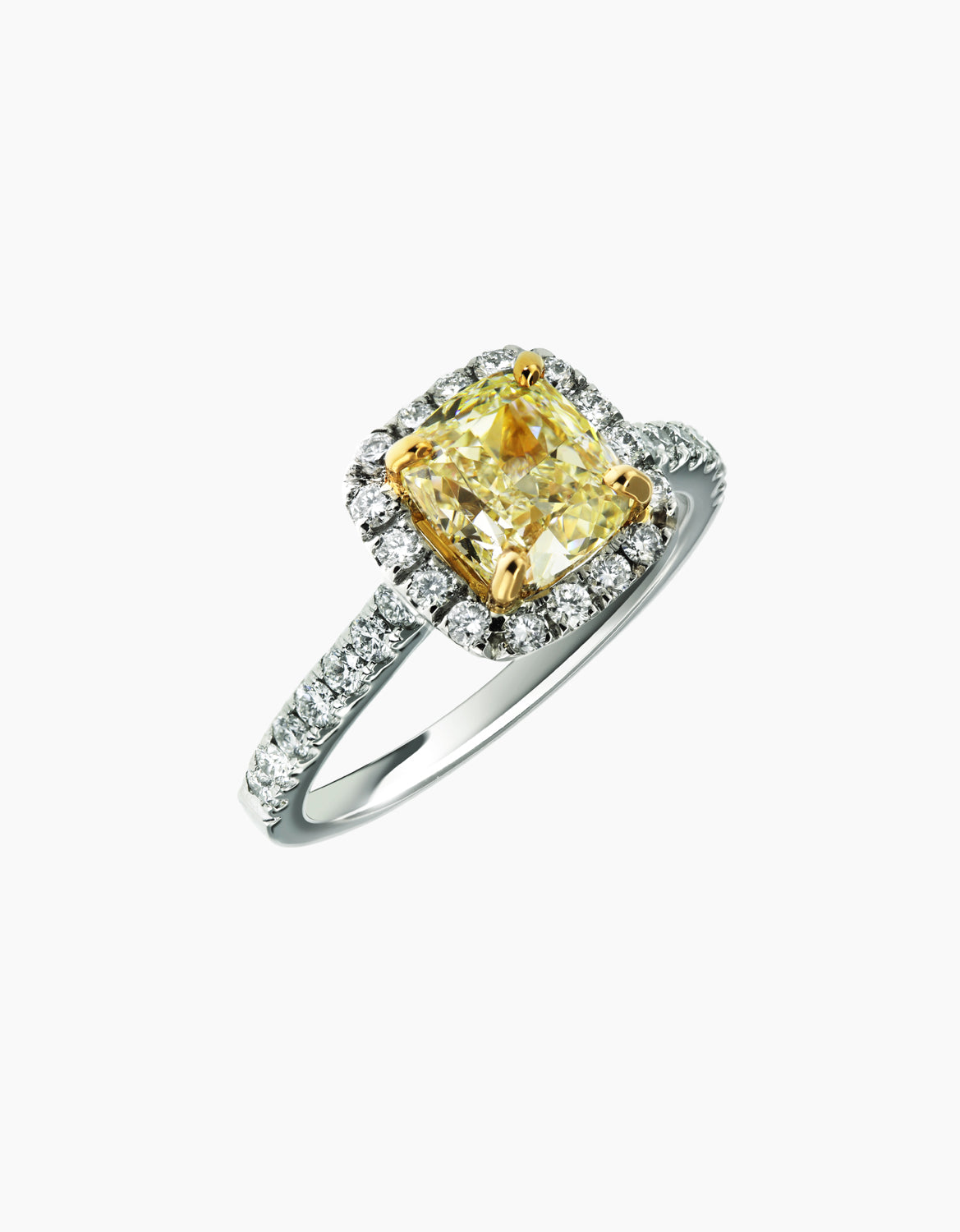
 Rings
Rings
 Earrings
 Bracelets & Bangles
 Necklaces & Pendants
 Silver Jewellery


 Our Story
 Diamond Buying Guide
 Watch Buying Guide
 Product Care & Aftercare
 Visit our Showroom
Bezel vs Flush Settings for Bold Heavyweight Ring Designs
When designing or selecting a substantial engagement ring, choosing how your central gemstone is secured within the metal framework is a crucial decision. Traditional claw prongs, while delicate and classic, can sometimes feel visually undersized against a wide, tactile band of solid gold or platinum. For those who love clean architectural lines and smooth contours, bezel and flush settings offer superior alternatives that fuse structural strength with bold design.
Both bezel and flush settings embed gemstones directly into the ring's body, eliminating exposed prongs that can snag on clothing or loosen over time. However, their structural engineering, light interaction, and overall appearance differ significantly. Understanding these differences helps ensure you select the setting technique that best complements your aesthetic taste, gemstone choice, and daily lifestyle.
In this technical and aesthetic comparative guide, we analyze bezel and flush mounting techniques within substantial ring design. We evaluate stone security, metalcraft procedures, light reflection, and long-term care to help you choose the ideal setting for your statement piece.
1. Technical Architectural Mechanics
1.1 Bezel Setting Engineering: The Continuous Metal Collar
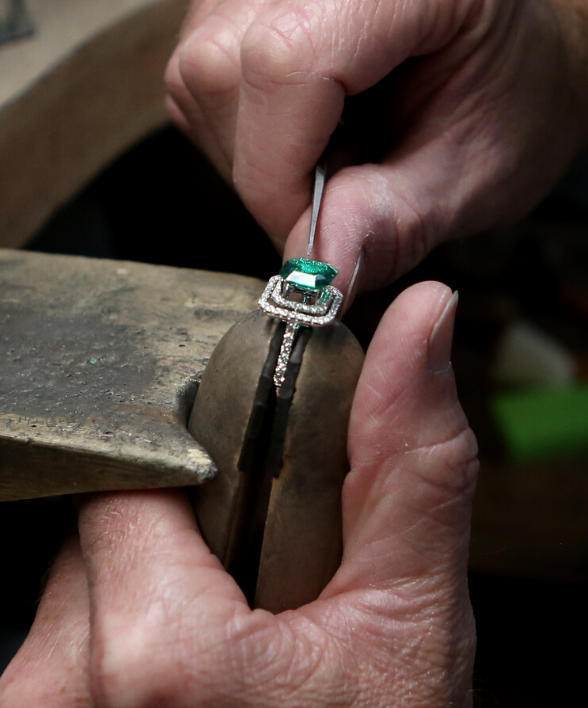
A bezel setting secures a gemstone by encircling its outer perimeter with a solid wall of precious metal. The bench jeweller carefully shapes this metal rim around the girdle of the stone, burnishing the edge over the gem's upper facets to lock it permanently in place. Bezels can be full—wrapping completely around the stone—or partial, leaving side cutouts to reveal more of the stone's profile.
When integrated into wide metal bands, a bezel setting creates a smooth transition between the center gemstone and the ring shoulders. The surrounding metal collar acts as an aesthetic frame, visually enlarging the gemstone's footprint while building a protective barrier around delicate diamond edges.
Crafting a high-quality bezel requires precise goldsmithing skill. The wall depth must be tailored perfectly to the stone's girdle dimensions: if the bezel wall is too thick, it can obscure the gem; if it is too thin, it risks wearing down over decades of wear. When crafted expertly in dense platinum or 18ct gold, a bezel offers unbeatable security for daily wear.
1.2 Flush Setting Engineering: The Embedded Gypsy Mount
Flush setting—frequently called gypsy or hammer setting—embeds the gemstone directly inside the thick wall of the ring, so the top table of the stone sits nearly level with the outer metal surface. Rather than building a collar around the gem, the jeweller drills a seat directly into the solid metal band.
Once the stone is placed into this seat, the craftsman uses specialized hammering tools to push surrounding metal directly over the girdle edge, securing the stone within the band body. The metal is then hand-polished smooth, creating a seamless join where stone meets gold or platinum without raised edges.
This technique requires a band with sufficient depth to house the full vertical depth of the gemstone. Substantial bands provide the necessary volume, enabling jewellers to scatter diamonds across the band's surface or mount focal stones without adding high-slung prongs.
2. Head-to-Head Architectural Comparison
To help you decide between these two setting styles for your substantial piece, the table below compares their key performance and visual characteristics:
| Design Feature | Bezel Setting Style | Flush / Gypsy Setting Style |
|---|---|---|
| Visual Footprint | Framed outline that expands perceived stone size | Seamless, integrated look resting level with metal |
| Everyday Durability | Exceptional; shields girdle against external impacts | Maximum protection; stone sits within metal walls |
| Profile Height | Low to medium; sits slightly raised above the band | Ultra-low profile; flush with outer ring wall |
| Light Entry Points | Top and open underside gallery cutouts | Exclusively top table facet and upper star facets |
| Maintenance Requirements | Low; periodic checks of thin burnished metal edges | Minimal; virtually zero exposed edges to snag or wear |
3. Light Interaction, Aesthetics, and Everyday Practicality
3.1 Light Performance and Visual Framing
Because bezel and flush settings surround gemstones with solid metal, light enters the stone differently than in traditional prong settings. A bezel setting leaves the bottom table area accessible from beneath if crafted with an open gallery, allowing natural light to bounce through internal facets and produce brilliant sparkle.
Flush settings enclose the base of the stone completely within the band's wall, restricting light entry strictly to the top facets. As a result, brilliant cuts set flush display focused, high-contrast sparkle, while step-cut gems (like emerald or Asscher shapes) retain their clean clarity. To learn how gemstone shapes perform across varied settings, explore our complete guide on the best gemstone cut for wide band engagement rings.
Visually, a bezel creates a distinct focal point on the band, drawing attention straight to the central gemstone. A flush setting delivers a sleek, minimalist look, blending gem brilliance directly into the polished or brushed texture of the solid band.
3.2 Snag-Free Durability and Lifestyle Suitability
For individuals with active lifestyles, hands-on professions, or a love for low-maintenance jewellery, both bezel and flush settings offer outstanding functional benefits over raised prongs. They eliminate delicate points that can snag on clothing, scratch sensitive surfaces, or catch in hair.
Flush settings deliver the ultimate snag-free performance because the stone sits level with the surrounding metal surface. This makes flush-set rings ideal for healthcare workers, artists, or anyone who wears gloves daily.
Bezel settings are equally robust, providing complete perimeter shielding around delicate gemstone edges—an excellent feature for softer gems like emeralds or sapphires. Both styles form an important element within chunky engagement rings, ensuring your piece remains strong, comfortable, and beautifully intact over a lifetime of wear.
4. Final Selection Guidance
When deciding between bezel and flush settings, reflect on your personal aesthetic preferences and functional daily priorities:
- Choose a Bezel Setting if: You want to maximize your gemstone's visual size, prefer a distinct focal center, and love clean modern frames that highlight structural curves.
- Choose a Flush Setting if: You prefer ultra-sleek, low-profile designs, want a smooth surface without raised edges, and love the integrated look of diamonds embedded directly into precious metal.
Regardless of which setting style you choose, both techniques provide exceptional security and long-lasting beauty, turning solid gold or platinum into a safe, luxurious sanctuary for your precious gem.