

 Rings
Rings
 Earrings
 Bracelets & Bangles
 Necklaces & Pendants
 Silver Jewellery


 Our Story
 Diamond Buying Guide
 Watch Buying Guide
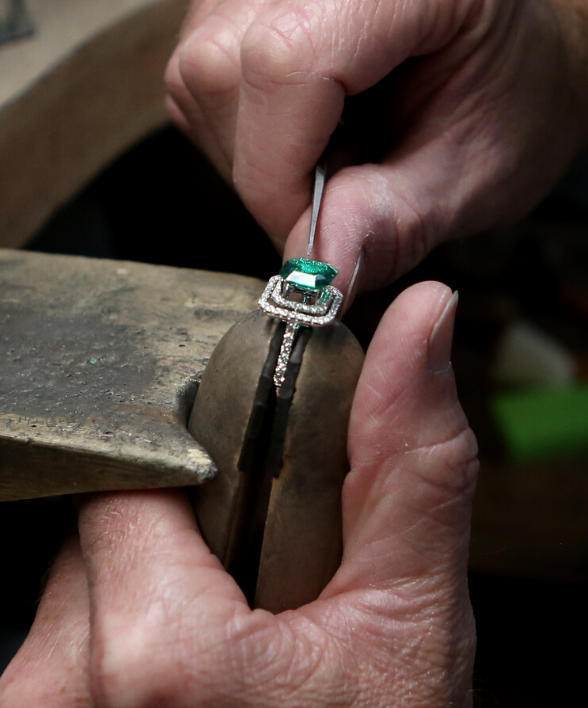 Product Care & Aftercare
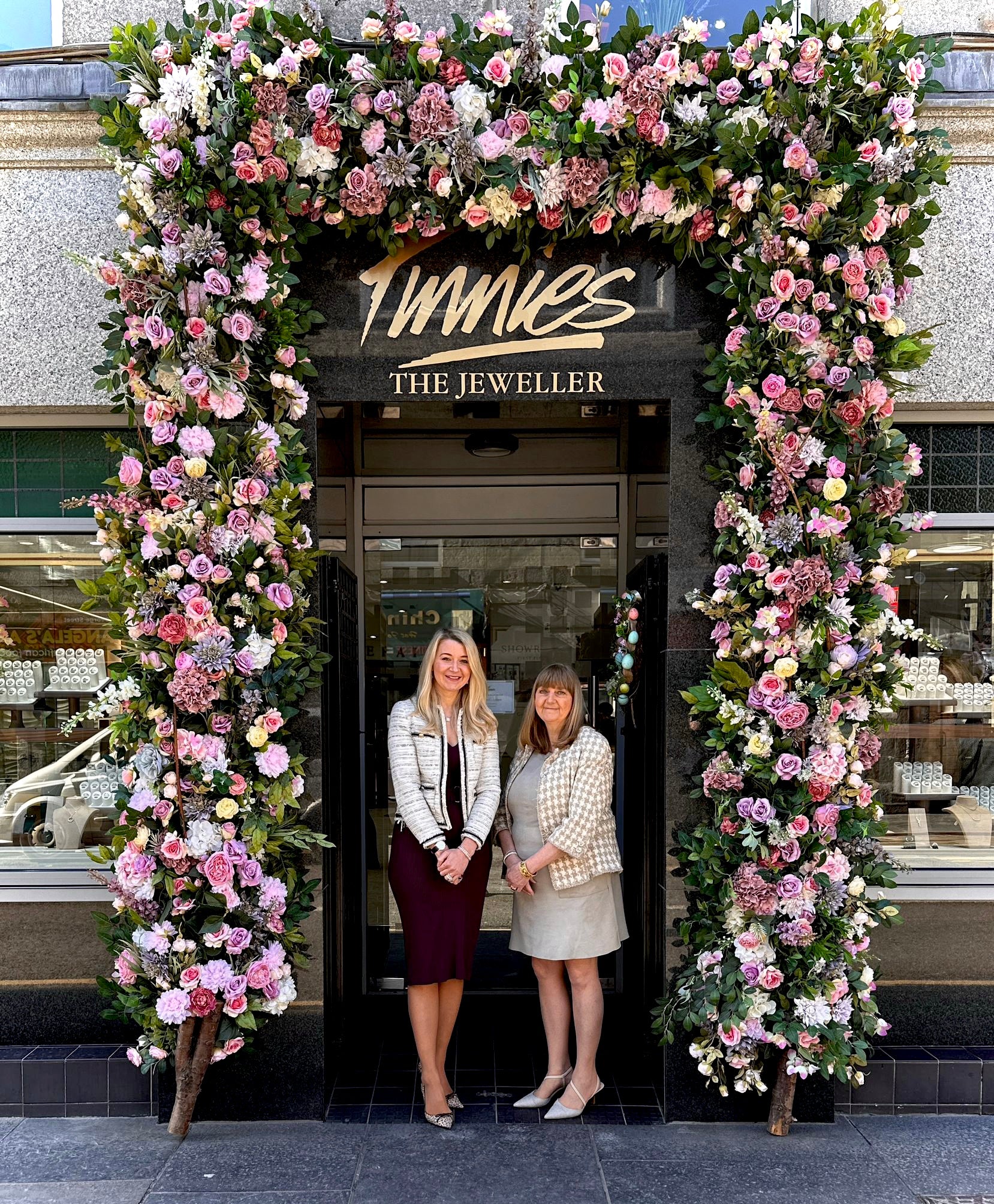 Visit our Showroom
How to Choose the Best Gemstone Cut for Wide Band Engagement Rings
Selecting an engagement ring involves more than finding a gorgeous central diamond or coloured gem; it requires creating total harmony between the stone and the band that holds it. As wide metal bands grow in popularity across modern fine jewellery, understanding how gemstone geometry interacts with broader metal surfaces is essential. A diamond cut that sparkles brilliantly on a thin 1.5mm wire band can look completely different when set within a wide, tactile band of solid gold or platinum.
Wide bands alter the visual background against which a central gemstone sits. Rather than allowing light to enter from every angle under open prongs, wide metal walls frame the stone, shifting how color, scale, and sparkle are perceived. Selecting the right gemstone shape ensures your central stone balances the substantial width of the setting, creating a striking piece designed for a lifetime of daily wear.
Whether you are drawn to clean modern signets, smooth bezel collars, or continuous cigar bands, picking the right cut shape elevates your overall design. In this deep dive, we break down the ideal gemstone cuts for wide settings, explore how setting styles influence light refraction, and share expert advice for achieving perfect proportions in your chunky engagement rings.
1. Geometric Proportions: Matching Gemstone Shapes to Wide Bands
1.1 Elongated Cut Geometry: Emerald, Oval, and Radiant Cuts
Elongated gemstone cuts are naturally suited for wide engagement bands. Cuts such as the emerald, oval, elongated cushion, and radiant feature a length-to-width ratio that extends along the finger, creating a pleasing balance against the horizontal span of a wide band. This longitudinal line draws the eye along the hand, breaking up the horizontal mass of the metal and preventing the band from appearing overly bulky.
The emerald cut, with its step-cut facets and clean lines, creates a striking architectural look when set into a wide gold or platinum band. Its wide table and hall-of-mirrors effect offer a vintage sophistication that complements flat or court profile bands. When housed in an integrated bezel, the clean outline of an emerald cut creates a seamless transition between gem and metal.
Oval and radiant cuts offer a softer, high-brilliance alternative. The smooth curves of an oval cut soften the graphic edge of a wide cigar band, adding classic elegance to a modern setting. Meanwhile, radiant cuts combine the structured outline of an emerald cut with the intense brilliance of a round cut, delivering vivid sparkle that stands out brilliantly against rich yellow or white gold.
1.2 Square and Symmetrical Cuts: Princess, Asscher, and Cushion Cuts
Symmetrical gemstones bring clean, centered balance to wide engagement settings. The sharp, right-angled geometry of a princess cut aligns seamlessly with straight-edged flat bands, creating a bold, industrial-chic profile. When flush-set or set into a low-slung bezel, the straight edges of a princess cut merge smoothly with the band for a streamlined finish.
Asscher cuts deliver deep step-cut facets with clipped corners, creating a fascinating octagonal shape within a square outline. Housed in a thick platinum or 18ct yellow gold setting, an Asscher cut evokes classic Art Deco glamour while maintaining a strong modern presence. The cut's internal depth catches light beautifully, drawn in through the top table facet and contrasted against surrounding precious metal.
Cushion cuts offer a subtle balance, combining square outlines with gently rounded corners. This soft silhouette creates a balanced contrast when paired with wide, square-edged bands. The cushion cut’s pillowy facets break light into rich, colourful flashes, creating a striking visual balance alongside heavy polished or brushed metal bands.
1.3 The Classic Round Brilliant Cut
The round brilliant cut remains the most versatile gemstone shape in fine jewellery, renowned for its unmatched sparkle and timeless symmetry. On a wide band, a round diamond creates a dynamic focal point, drawing light into the centre of the design. The gem’s curved outline offers a classic counterpoint to straight horizontal band lines.
To maximize the impact of a round brilliant diamond on a wide band, mounting mechanics are key. Setting a round stone into a wide bezel expands its visual outline, making the diamond appear larger while creating a smooth, snag-free surface. Alternatively, elevating the round brilliant in a partial cathedral setting allows light to enter through side openings while preserving a bold, wide-band profile on the finger.
2. Light Refraction and Setting Integration
2.1 Managing Light Performance in Enclosed Metal Frames
Gemstone cuts process light differently depending on how they are mounted. Brilliant cuts (such as round, oval, and radiant shapes) rely on light entering from multiple angles and reflecting through back facets to generate sparkle. Step cuts (such as emerald and Asscher shapes) focus light through larger, flatter top facets, creating crisp flashes of light rather than high-frequency dispersion.
When embedding gemstones into thick metal walls, light entry from the sides is reduced. Brilliant cuts can appear slightly darker if set deep inside heavy metal settings without proper clearance. To maintain brilliant sparkle, skilled jewellers carve open galleries or internal light channels beneath the gemstone, allowing natural light to enter from below and bounce through the stone’s facets.
Step cuts, by contrast, perform exceptionally well in enclosed settings because their brilliance relies primarily on light entering through the top table facet. This makes emerald and Asscher cuts ideal choices for full bezels and flush mounts, maintaining their deep clarity and structural look regardless of metal depth.
2.2 Protective Setting Choices for Wide Bands
The setting method you choose for your gemstone influences both the ring's overall durability and its final style silhouette. Wide bands provide an ideal base for low-profile, protective settings that shield the gemstone girdle from daily bumps and scrapes. To understand how setting variations impact aesthetic lines and daily wear, explore our comparative guide on bezel vs flush settings heavyweight rings.
Bezel settings surround the entire circumference of the gemstone with a smooth collar of gold or platinum. This holds the gem securely while creating a cohesive, architectural outline that blends seamlessly into wide band shoulders. Flush settings embed the gemstone directly inside the metal surface, creating a completely smooth exterior profile ideal for active lifestyles.
3. Practical Guidance for Choosing Your Cut and Band Dimensions
Finding the perfect gemstone cut for a wide band involves evaluating stone proportions against your preferred setting style. Keep the following practical principles in mind during your design search:
- Evaluate Aspect Ratios: For elongated cuts like emeralds or ovals, choose a length-to-width ratio between 1.30 and 1.50 to ensure the stone extends nicely along the finger without appearing narrow against wide band shoulders.
- Consider Band Contour: Pair sharp geometric cuts (princess, emerald) with flat or low-pipe band profiles, while rounded cuts (round brilliant, oval, cushion) look wonderful on soft court or rounded profiles.
- Prioritize Cut Quality: In wide settings where metal frames the gemstone, select excellent cut grades to ensure maximum light performance and brilliance from the top table facet.
- Balance Color and Metal Tones: Warm gemstone hues (like champagne diamonds or yellow sapphires) look stunning in 18ct yellow gold cigar bands, while cool icy diamonds shine brightly against white gold or platinum bezels.
Taking the time to test various gemstone shapes against wide metal band samples in-store helps clarify how proportions, light reflection, and hand scale work together, ensuring you create a piece you will love forever.