

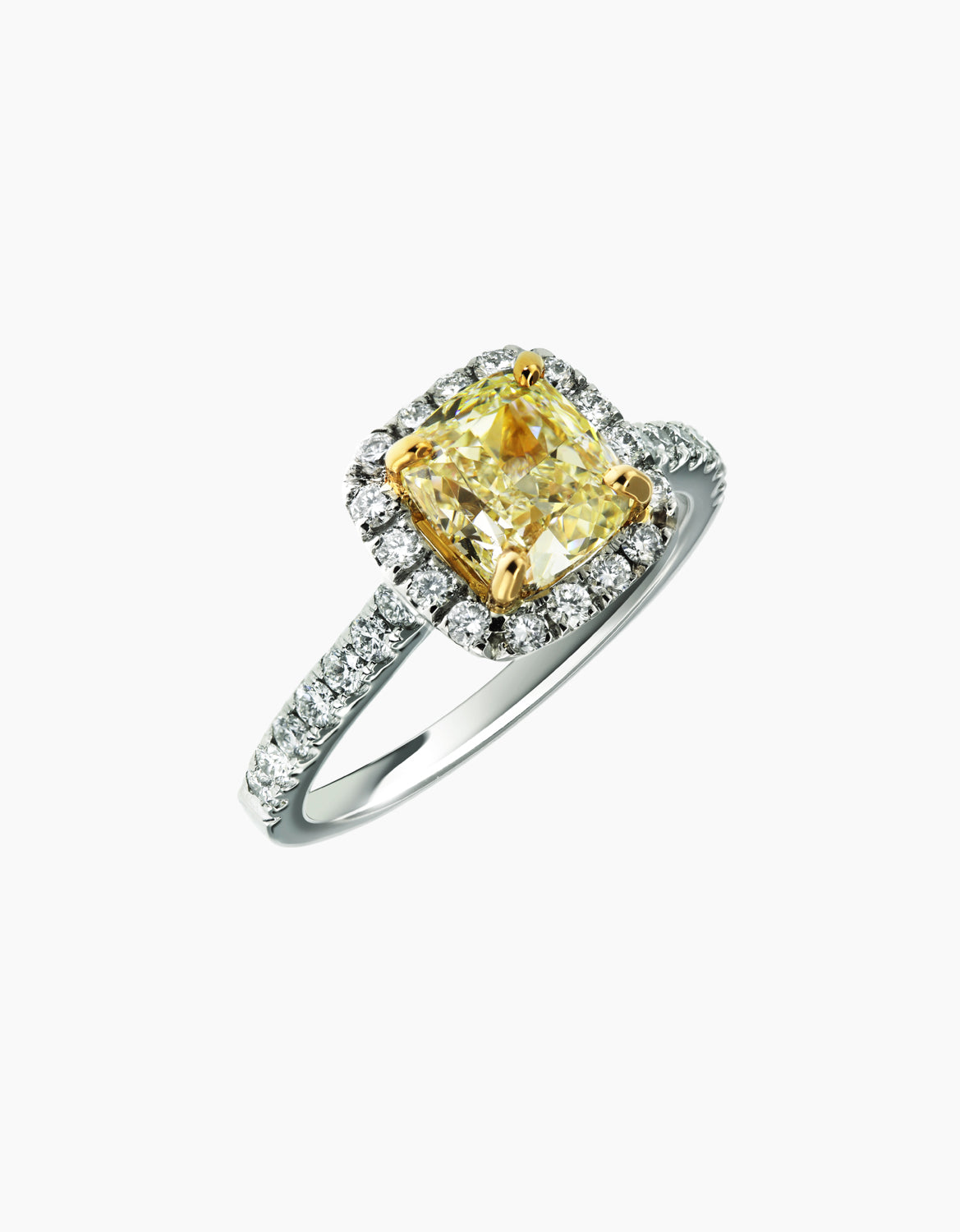
 Rings
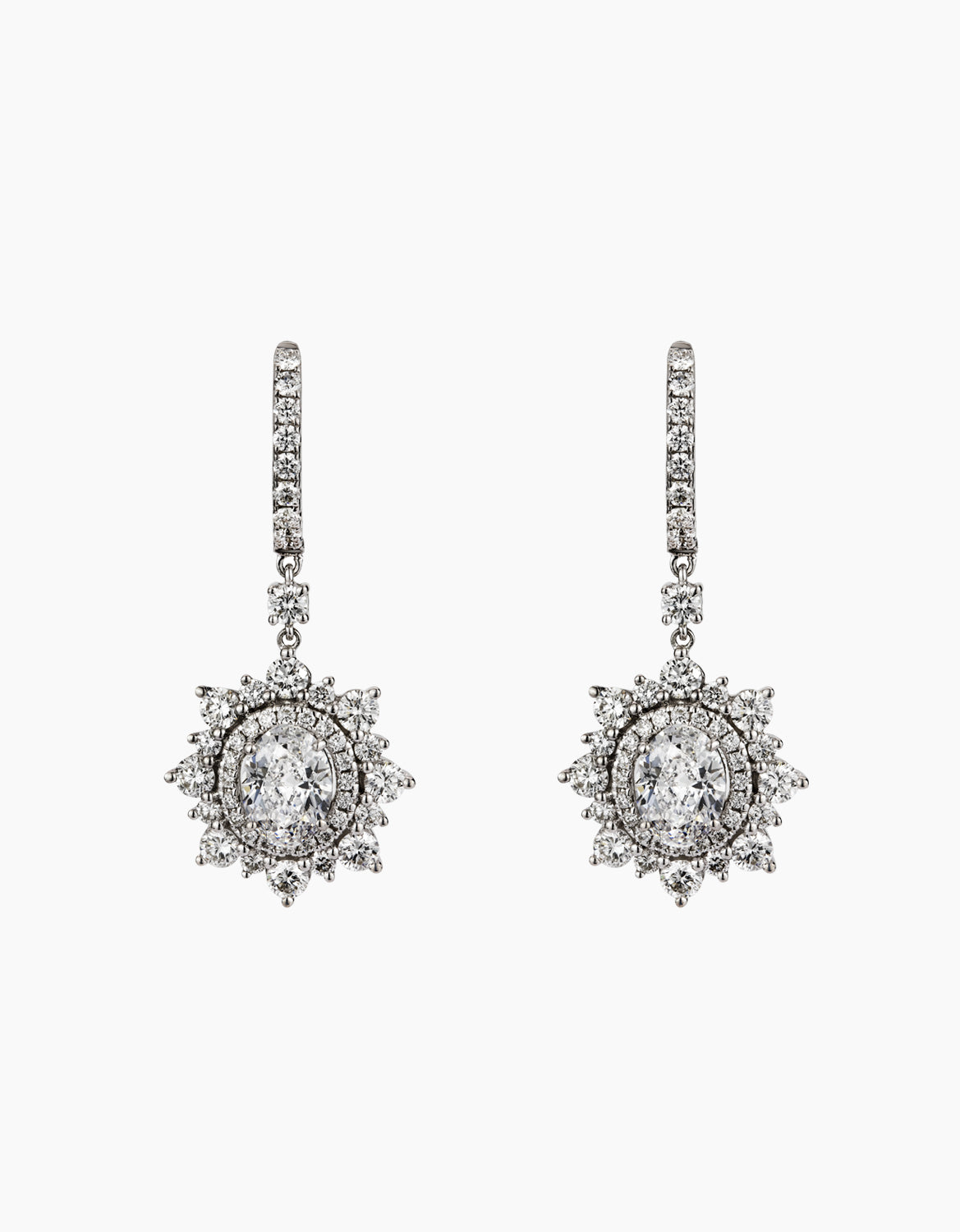 Earrings
 Bracelets & Bangles
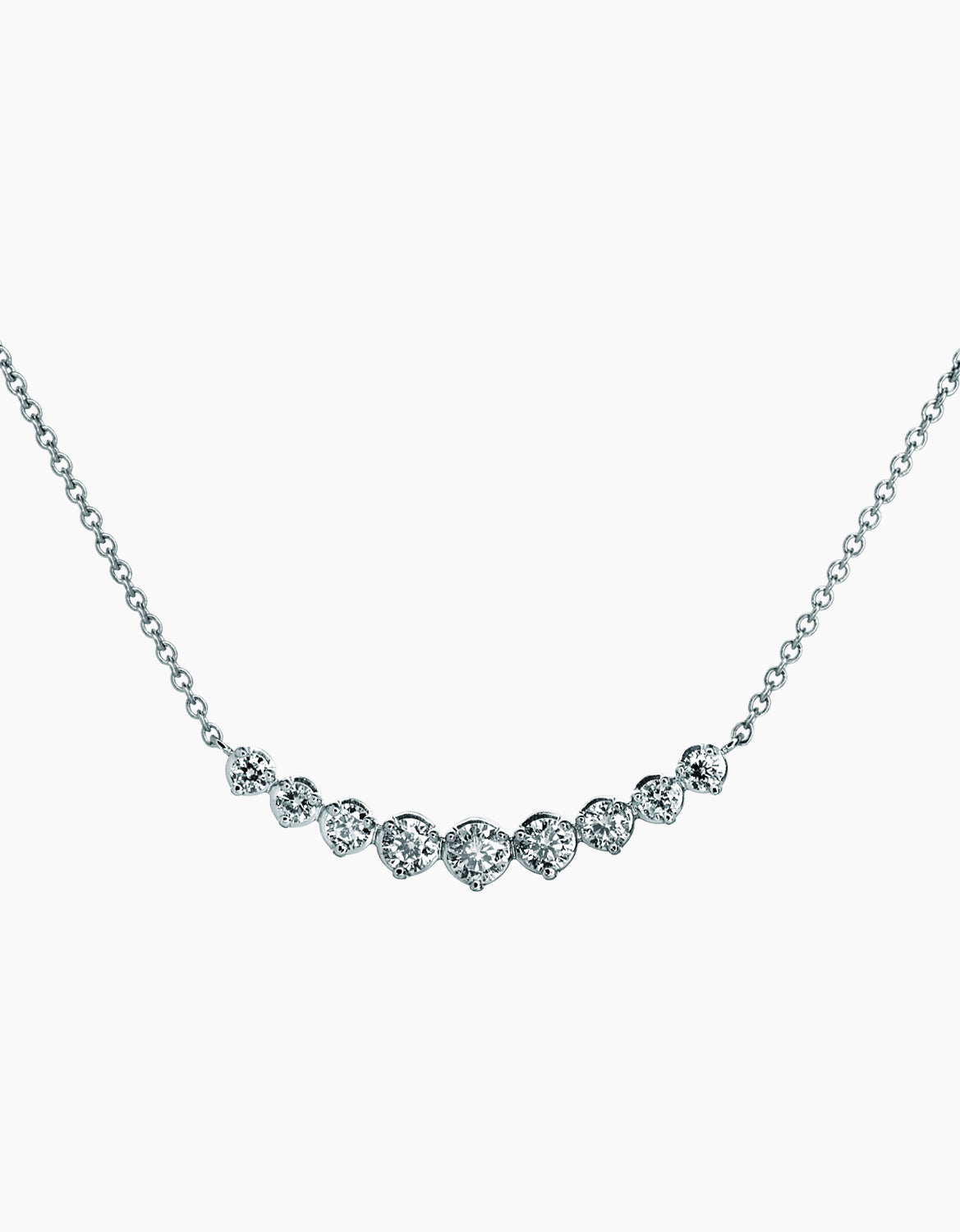 Necklaces & Pendants
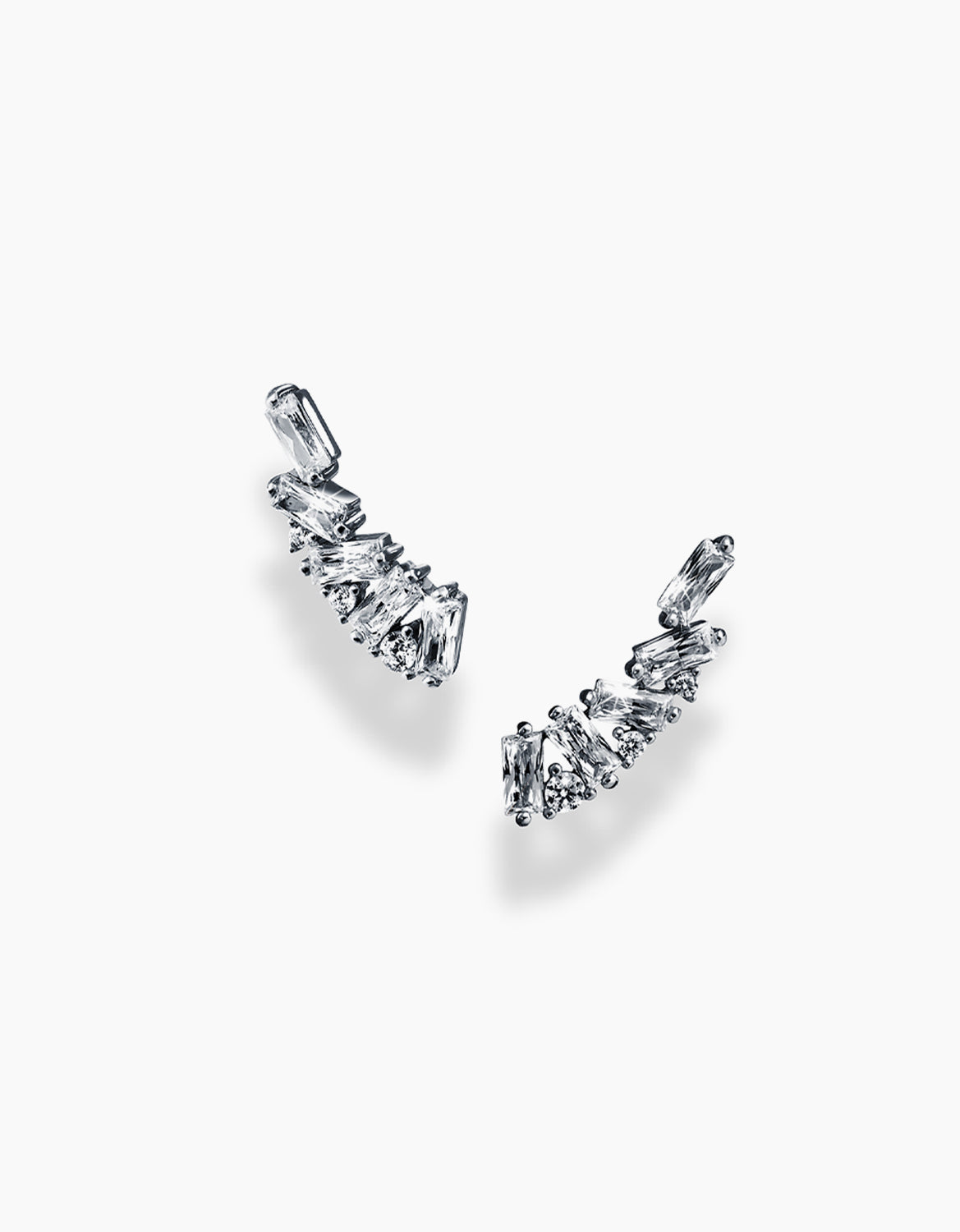 Silver Jewellery


 Our Story
 Diamond Buying Guide
 Watch Buying Guide
 Product Care & Aftercare
 Visit our Showroom
Selecting a fine ring is one of the most intimate, enduring purchases you will ever make. Whether you are marking a lifelong commitment, commemorating a personal triumph, or simply treating yourself to fine craft, an 18ct gold ring carries a peerless tactile warmth, visual authority, and emotional resonance. Within the realm of prestige fine jewellery, eighteen-carat gold reigns supreme as the gold standard of luxury, offering the quintessential balance between precious metallic purity and everyday structural integrity. At Finnies the Jeweller, we have guided generations of discerning patrons through the subtleties of selecting pieces that transcend fleeting trends to become treasured family heirlooms.
Yet, embarking on the search for the perfect ring requires an understanding of metallurgy, design proportions, hallmark certifications, and long-term maintenance. With a market saturated by varying purities and transient styling, knowing precisely what distinguishes an authentic 18ct gold piece empowers you to make an investment that endures. In this definitive buying guide, we demystify the intricacies of 18ct gold rings—from colour profiles and hallmark validation to claw settings, daily wear resilience, and styling across an evolving fine jewellery collection.
The Metallurgy of 18ct Gold: Why 75% Pure Matters
To appreciate the beauty and value of an 18ct gold ring, one must begin with its elemental composition. Gold purity is traditionally measured across twenty-four parts, meaning 24ct gold represents pure, unadulterated elemental gold. While magnificent in its natural state, 24ct gold is exceptionally malleable—too soft to safely hold a diamond or withstand the friction, knocks, and pressures of daily wear on the hand. Conversely, lower carats such as 9ct gold contain only 37.5% gold, diluted with higher percentages of base metals that can leave the alloy feeling lighter, appearing brassier, and remaining prone to surface tarnish over prolonged exposure to skin chemistry.
Eighteen-carat gold stands triumphantly at 75% pure gold, blended with 25% complementary noble and base metals like copper, silver, and palladium. This precise 750 parts per thousand ratio delivers distinct benefits for luxury rings:
- Seductive Heft: Gold is an exceptionally dense metal. An 18ct gold ring has a substantial, tactile weight on the finger that feels unmistakably luxurious compared to lighter, lower-carat alternatives.
- Richness of Colour: Because three-quarters of the alloy is pure elemental gold, the colour is remarkably deep, saturated, and velvety—qualities impossible to replicate with dilute alloys.
- Hypoallergenic Performance: Because of the high ratio of pure gold and the absence of irritating reactive elements like nickel in ethically assayed European alloys, 18ct gold remains gentle and skin-friendly for sensitive wearers.
- Enduring Structural Strength: The added 25% alloy creates a resilient molecular lattice, providing sufficient tensile strength to secure pavé shoulders, delicate claws, and bespoke structural bezels securely for decades.
A Palette of Elegance: Yellow, White, and Rose 18ct Gold
One of the great pleasures of exploring Gold jewellery is discovering how varied the metal can be. The 25% alloying partnership allows master metallurgists to manipulate the final colour profile without compromising the required 750 purity standard. When choosing an 18ct gold ring, selecting the right alloy tone defines the mood of the piece.
18ct Yellow Gold: The Timeless Sovereign
The traditionalist's choice, 18ct yellow gold retains the sun-drenched, radiant aura that has captivated humanity for millennia. Formulated by blending 75% pure gold with equal measures of silver and copper, it possesses a buttery, rich warmth that flatters every skin tone. In engagement rings and signet bands, 18ct yellow gold serves as a magnificent vintage canvas, accentuating the crisp brilliance of white diamonds or deepening the saturation of coloured gemstones like royal blue sapphires and forest-green emeralds.
18ct White Gold: Modern Architectural Lustre
Created by alloying pure gold with white precious metals like palladium, silver, and platinum, 18ct white gold offers a clean, contemporary appearance. Because pure gold is naturally rich yellow, unplated white gold possesses a warm, champagne-grey undertone that many fine jewellery purists adore. To achieve a bright, liquid-mirror finish, fine white gold jewellery is electro-plated with rhodium, a rare platinum-group metal. Rhodium plating provides exceptional scratch resistance and radiant light reflection, though it benefits from periodic re-plating over the years to maintain its dazzling white mirror sheen.
18ct Rose Gold: Romantic and Understated
Achieved by increasing the proportion of copper within the 25% alloy mix, 18ct rose gold delivers a romantic, blush-hued glow. Unlike lower-carat rose golds that can appear sharp or overtly coppery, 18ct rose gold retains a subtle, sophisticated pink champagne tone. It has surged in popularity among contemporary wearers due to its soft aesthetic, vintage warmth, and ability to blend harmoniously alongside both white and yellow metals in a layered jewellery curation.
Understanding British Hallmarking: Your Guarantee of Purity
When purchasing an 18ct gold ring in the United Kingdom, you are protected by one of the oldest, most rigorous consumer protection systems in the world. Under the Hallmarking Act of 1973, any precious metal piece sold commercially within the UK must be independently tested and hallmarked by an accredited Assay Office.
Unlike simple stamps applied in a private studio, a genuine British hallmark guarantees that the alloy has undergone scientific assaying. When examining the inner shank of your 18ct gold ring using a jeweller's loupe, look for these fundamental hallmarks:
- Sponsor's Mark: The unique registered initials of the workshop, maker, or historic house (such as our bespoke Finnies workshop mark) that submitted the piece.
- Fineness Mark: For 18ct gold, this is the millesimal fineness number 750 enclosed inside a crown-shaped symbol, verifying that the alloy contains a minimum of 750 parts pure gold per 1,000.
- Assay Office Mark: The distinctive symbol identifying the historic regional testing office—such as the castle for Edinburgh, the anchor for Birmingham, the leopard’s head for London, or the rose for Sheffield.
Insisting on verified hallmarking ensures your purchase holds undisputed intrinsic value, guaranteeing that your heirloom can be certified, insured, and passed down across generations with total provenance.
Durability, Ring Profiles, and Everyday Wear
A common myth in the fine jewellery world is that 18ct gold is excessively soft for everyday use. While 24ct gold is indeed fragile, 18ct gold possesses an optimal balance of hardness and ductility. It is resilient enough to endure decades of active wear, provided the band is cast and forged to proper proportions.
Band Thickness and Shank Architecture
When evaluating rings, pay careful attention to the depth and width of the band underneath the finger (the shank). Ultra-thin, whisper-light bands under 1.5mm in thickness may look delicate in photographs, but they lack the structural longevity required for daily wear, leading to bending or warping over time. A well-crafted 18ct gold ring will typically feature a shank of at least 1.8mm to 2.2mm, giving the gold sufficient strength to resist deformation while maintaining elegant proportions.
Setting Types and Stone Security
If your 18ct gold ring features centre diamonds or precious gemstones, consider how the setting interacts with the gold alloy:
- Claw (Prong) Settings: Traditional four-claw and six-claw settings lift stones toward the light, maximising brilliance. Because 18ct gold is malleable, high-wear claws should be inspected annually by a trained goldsmith to check for thinning or snagging.
- Bezel Settings: Encircling the diamond with a protective ribbon of 18ct gold, bezel settings offer unmatched security for those with active, hands-on lifestyles, shielding the stone's edges from accidental impact.
- Rub-Over and Pavé Settings: Gemstones set flush or secured along the band using micro-beads of gold create continuous radiance. High-carat 18ct gold accommodates micro-pavé gracefully, holding small diamonds cleanly within the metal.
Sizing, Comfort Fit, and Proportion
The tactile experience of wearing a ring is defined by its internal geometry. When commissioning or trying on an 18ct gold ring, always enquire about the profile of the shank. A flat profile band sits flush against the skin, while a "Court" or "Comfort Fit" profile features a gently domed interior surface. This curved interior reduces surface tension against the finger, making the ring slide on effortlessly over knuckles and sit comfortably throughout fluctuating daily temperatures.
Professional sizing is essential. Your hands expand and contract in response to exercise, room temperature, and atmospheric pressure. We always advise having your finger measured across different times of day by a professional jeweller who uses metal measuring gauges matching the exact width of the ring you plan to purchase.
Curating and Styling Your 18ct Gold Collection
A fine 18ct gold ring rarely stands alone; it becomes the focal point of personal styling. Modern fine jewellery collectors increasingly embrace the art of mixed-metal stacking, effortlessly combining yellow, white, and rose golds on adjacent fingers or within a single curated stack.
Consider how your ring converses with the rest of your everyday accessories. An 18ct yellow gold signet ring or solitaire pairs naturally with the structured elegance of 18ct gold bracelets and bangles, harmonising the warm metal tones from finger to wrist. The key to a cohesive collection lies in choosing pieces that share similar alloy purity; pairing 18ct gold rings with other 18ct gold treasures ensures that the density, sheen, and subtle patination age at a unified, elegant cadence.
Care and Maintenance: Preserving Your Investment
Gold is naturally impervious to corrosion, oxidation, and rust. However, like all noble metals, 18ct gold will develop a soft, distinguished patina of micro-scratches over time. This lived-in finish tells the story of your life together. To ensure your ring maintains its beauty for decades, follow these core maintenance principles:
- Avoid Chlorinated Chemicals: Remove your gold rings before swimming in heated pools, using hot tubs, or cleaning with chlorine bleach. Chlorine chemically attacks the alloy metals within 18ct gold, causing stress-corrosion cracking that can weaken the structure of the ring.
- Gentle Domestic Cleansing: To dislodge natural skin oils, hand lotions, and soaps, soak your ring for ten minutes in a bowl of warm water with a few drops of mild dishwashing liquid. Gently brush behind the stones and around the settings with an extra-soft toothbrush, rinse thoroughly under lukewarm water, and pat dry with a lint-free microfibre cloth.
- Professional In-House Servicing: Bring your ring to a certified jeweller once a year. At Finnies, our master goldsmiths examine claw integrity under magnification, cleanse settings in an ultrasonic bath, and provide gentle, non-destructive polishing or rhodium refreshing when requested.
The Finnies Commitment to Masterful Craftsmanship
Investing in an 18ct gold ring is an investment in enduring heritage. For decades, Finnies the Jeweller has curated, designed, and hand-finished rings that celebrate life's most precious milestones. Our gemmologists and master craftsmen inspect every gemstone, verify every assay hallmark, and balance every curve of gold to ensure each ring meets the highest standards of fine British jewellery.
Whether you are searching for an engagement ring set with an exceptional centre diamond, an understated wedding band, or a distinctive dress ring, 18ct gold offers a peerless medium of expression. We invite you to explore our curated collections online or visit our showroom to experience the substantial weight, warmth, and peerless craftsmanship of 18ct gold in person.
Related Guides & Additional Resources
Explore our in-depth guides and related resources below: