

 Rings
 Earrings
 Bracelets & Bangles
 Necklaces & Pendants
 Silver Jewellery


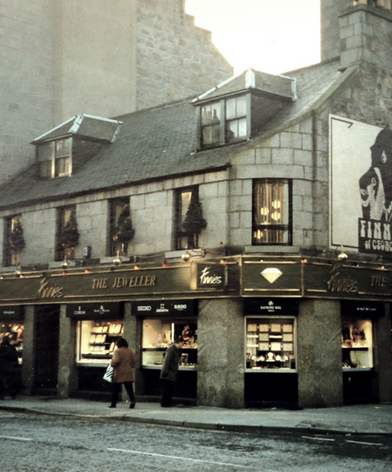 Our Story
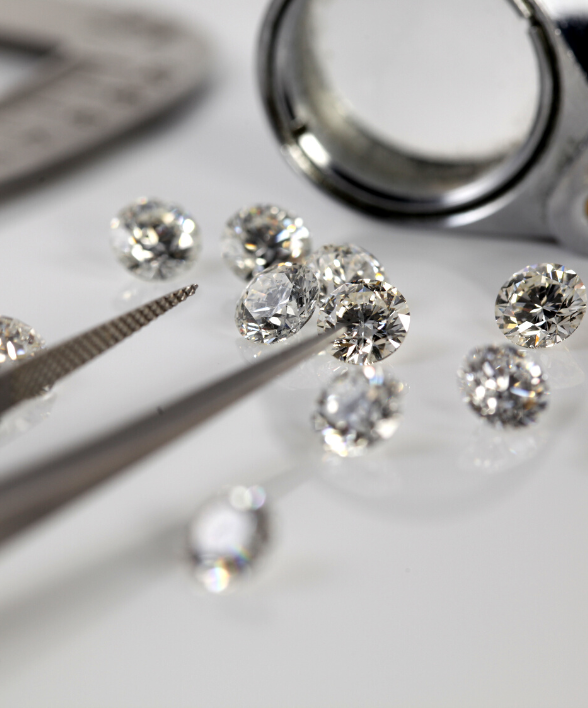 Diamond Buying Guide
 Watch Buying Guide
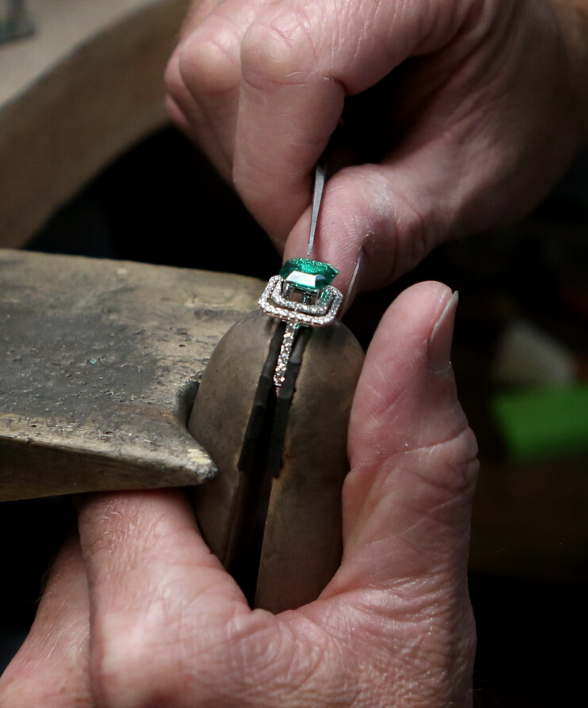 Product Care & Aftercare
 Visit our Showroom
Selecting an engagement ring marks the beginning of a lifelong journey, blending deep sentiment with everyday practicality. While diamond shapes and carat weights often seize the initial spotlight, the precious metal forming the band and setting is quietly the most defining decision you will make. It frames the central stone, sits directly against your partner’s skin, and establishes the aesthetic tone for a lifetime of daily wear. When exploring fine jewellery, 18ct gold remains the undisputed global benchmark for bridal suites. Yet, one pressing question consistently surfaces during private consultations: should you choose yellow, white, or rose gold?
Every hue carries its own rich history, unique metallurgic alchemy, and distinct visual personality. If you are currently researching buying an 18ct gold ring, mastering the nuances of each gold colour is the most empowering step you can take. Far beyond simple trends, the right choice reconciles skin tone, existing jewellery collections, maintenance expectations, and gemstone pairing into a cohesive piece of heirloom design.
The Metallurgical Anatomy of 18ct Gold
To truly understand how colour differences arise, one must first look at the chemistry of the metal itself. Pure 24-carat gold is exceptionally soft, pliable, and rich orange-yellow in tone. Because an engagement ring undergoes continuous exposure to daily life—from hand washing and door handles to incidental knocks—pure gold is far too malleable to securely anchor precious diamonds or withstand decades of friction.
The solution perfected by goldsmiths over centuries is alloying. By law and tradition, 18-carat gold consists of 75% pure gold (750 parts per thousand) combined with 25% other metals (250 parts per thousand). This 75/25 ratio is widely considered the sweet spot in modern fine jewellery. It retains the luxurious intrinsic value, density, and tarnish resistance of pure gold, while the additional 25% provides structural integrity and dictates the final shade of the metal.
| 18ct Gold Variety | Typical Alloy Composition | Defining Characteristic | Maintenance Profile |
|---|---|---|---|
| 18ct Yellow Gold | 75% Pure Gold, ~15% Silver, ~10% Copper | Warm, radiant, historically traditional | Low; occasional polishing |
| 18ct White Gold | 75% Pure Gold, ~25% Palladium, Silver, or Nickel | Crisp, mirror-bright, contemporary | Periodic rhodium re-plating required |
| 18ct Rose Gold | 75% Pure Gold, ~20-22% Copper, ~3-5% Silver | Romantic, blush-pink, vintage warmth | Very low; naturally durable alloy |
Because the pure gold content remains strictly fixed at 75% across all three options, no variation is inherently "more real" or valuable than another in terms of gold purity. The divergence lies entirely in how those accompanying metals interact with light and lifestyle.
18ct Yellow Gold: The Regal Classic
There is an elemental purity to yellow gold that has captured the human imagination for millennia. In 18-carat yellow gold, the natural richness of 75% elemental gold is complemented by balanced measures of silver and copper. The silver softens the brassy intensity of raw gold, producing a buttery, champagne-lit warmth that feels regal and timeless.
Visual Appeal and Diamond Pairing
Yellow gold provides a striking, high-contrast backdrop for white diamonds. The reflective golden claws and bezel edges frame a central stone like a sunlit canvas. A fascinating benefit of 18ct yellow gold is its forgiving nature with diamond colour grading. While an icy-white metal demands diamonds in the higher colour tiers (D to F) to avoid faint tints, yellow gold naturally absorbs and complements diamonds in the G, H, or even I colour bands. The warm glow of the setting makes slightly warm diamonds look brilliant and intentional, allowing buyers to allocate budget toward cut quality or carat weight.
Lifestyle and Care
One of the greatest virtues of 18ct yellow gold is its low-maintenance durability. Because its colour is intrinsic through the entire thickness of the metal, it does not fade, peel, or require topical coatings. Over years of wear, it develops a soft, velvety patina—a collection of microscopic love-marks that many collectors prefer to leave untouched. When desired, a simple professional ultrasonic cleaning and gentle polish restores it to showroom brilliance.
18ct White Gold: Sleek, Cool, and Contemporary
Rising to international prominence in the early 20th century as a malleable alternative to platinum, white gold remains one of the most popular engagement ring choices in the modern era. To transform rich yellow gold into a silvery canvas, the 75% pure gold core is blended with naturally white metals such as palladium and silver.
The Role of Rhodium Plating
Because the foundational element is 75% yellow gold, 18ct white gold in its raw, unplated state has a gentle, warm grey-champagne undertone. To achieve that immaculate, mirror-like chrome finish associated with modern fine jewellery, rings are electroplated with rhodium—a rare, noble transition metal belonging to the platinum family. Rhodium is intensely reflective, exceptionally hard, and protects the underlying gold from immediate scratches.
This brilliance comes with a clear maintenance commitment. Depending on body chemistry, local water hardness, and lifestyle, the thin rhodium layer will gently wear away over 12 to 24 months, particularly along the underside of the shank. Re-plating is a quick, routine procedure handled by master goldsmiths, but it is an ongoing ritual that buyers should embrace when choosing this lustrous metal.
Visual Harmony
18ct white gold is unmatched for buyers seeking a clean, uninterrupted silhouette. When paired with high-clarity, colourless diamonds, the claws virtually disappear into the facets of the gem, creating the visual illusion that the diamond is floating on pure light. It also complements cool wardrobes, architectural jewellery design, and pairs seamlessly with modern platinum timepieces.
18ct Rose Gold: Romantic and Understated
Originally celebrated in imperial Russia during the nineteenth century—often termed "Russian Gold"—rose gold has evolved from an avant-garde choice into a modern bridal staple. The enchanting blush tone is achieved by blending 75% pure gold with a higher proportion of copper, occasionally tempered with a trace of silver to soften the tone.
The Warmth of 18ct Rose
A frequent misconception is that rose gold appears intensely pink or copper-toned, like domestic hardware. In an 18-carat composition, the sheer concentration of yellow gold (75%) tempers the copper dramatically. The result is a refined, dusky champagne-blush that whispers rather than shouts. It possesses exceptional physical resilience; copper is a remarkably tough alloying agent, making 18ct rose gold marginally less susceptible to accidental dents than standard alloys.
Rose gold pairs exquisitely with non-traditional stones. Morganite, champagne diamonds, rubies, and smoky quartz look exceptional when nestled within pink gold. For a traditional white diamond, rose gold imparts an antique, heirloom warmth that softens modern angles, offering the romantic air of vintage Edwardian design.
How to Select the Perfect Metal Tone
Balancing personal taste with aesthetic longevity can feel overwhelming when viewing samples under boutique lighting. To ensure your selection resonates across decades, evaluate these three essential criteria:
1. Skin Tone and Undertones
While personal preference should always reign supreme, understanding undertones can highlight which metal naturally illuminates the wearer's complexion:
- Cool Undertones: Characterised by bluish veins at the wrist and skin that tends to burn easily in strong sunlight. 18ct white gold offers a striking, harmonious synergy that mirrors cool undertones effortlessly.
- Warm Undertones: Visible greenish veins, skin that tans readily, or olive and golden complexions. 18ct yellow gold enriches these tones, looking exceptionally natural and radiant against the hand.
- Neutral Undertones: A versatile balance between cool and warm. Individuals with neutral undertones are uniquely suited to 18ct rose gold, which flatters almost every complexion by lending a soft, flattering flush of colour.
2. The Harmony of the Bridal Stack
An engagement ring does not exist in isolation. Within a year or two, it will be flanked by a wedding band, and perhaps later celebrated with an 18ct gold eternity ring guide. When deciding on your engagement metal, consider the future stack:
- Unified Monolith: Selecting identical metals creates a seamless, cohesive band of light that allows the central stone to remain the focal point.
- Mixed-Metal Drama: Pairing a white gold engagement ring with a yellow or rose gold eternity ring is an increasingly sophisticated European aesthetic. It prevents the stack from feeling overly rigid and allows future jewellery additions to mix freely.
3. Personal Wardrobe and Existing Habits
Observe the jewellery your partner wears on a typical Tuesday afternoon. Are their everyday hoops, chains, and watch bezels warm yellow, or do they lean exclusively toward sleek silver and white metals? While mixing metals is widely accepted, presenting someone who owns exclusively silver accessories with a yellow gold ring can feel jarring. Matching their habitual baseline shows intimate attention to detail.
The Finnies Perspective: Craftsmanship That Endures
Every piece of 18ct gold that enters our Aberdeen workshop is held to exacting standards of European hallmarking. Whichever hue captures your imagination, the beauty of an 18ct gold engagement ring lies in its permanence. Metals can be reshaped, claw structures can be restored, and rhodium can be renewed, but the structural integrity of 750-standard gold remains steadfast for generations to come. By matching your aesthetic instinct with the lifestyle and maintenance profile of yellow, white, or rose gold, your chosen ring will stand as an enduring emblem of your commitment—bright, balanced, and timeless.