

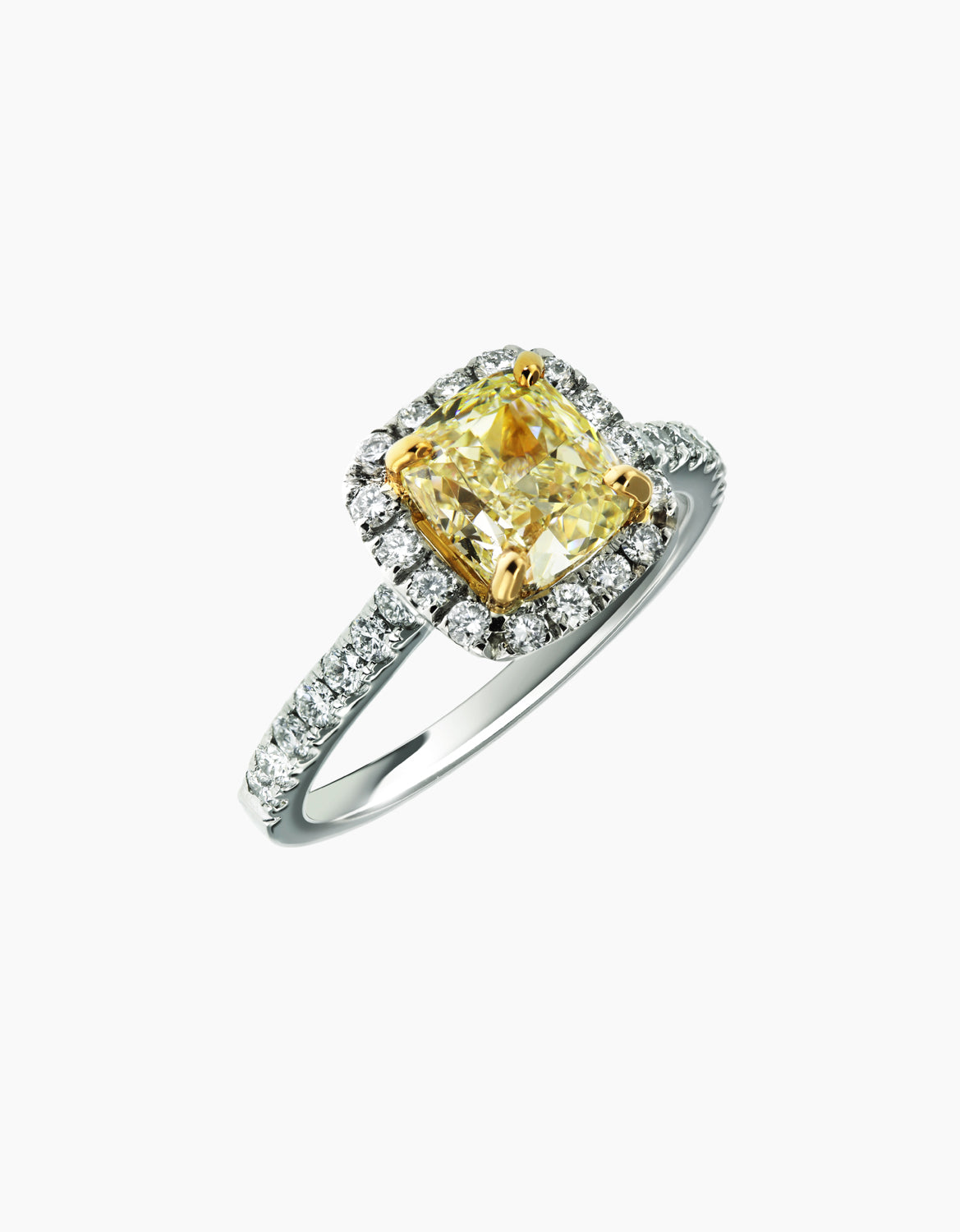
 Rings
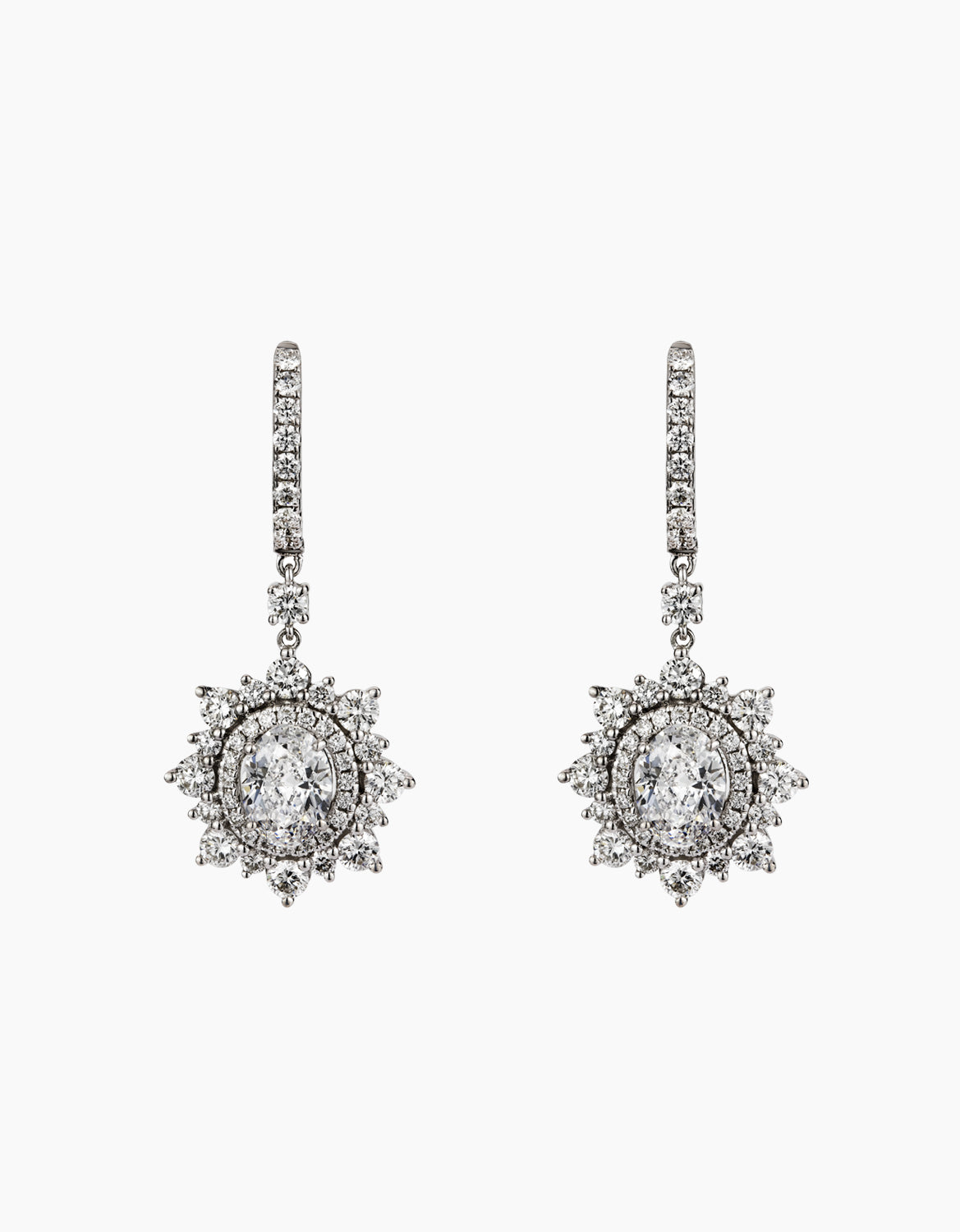 Earrings
 Bracelets & Bangles
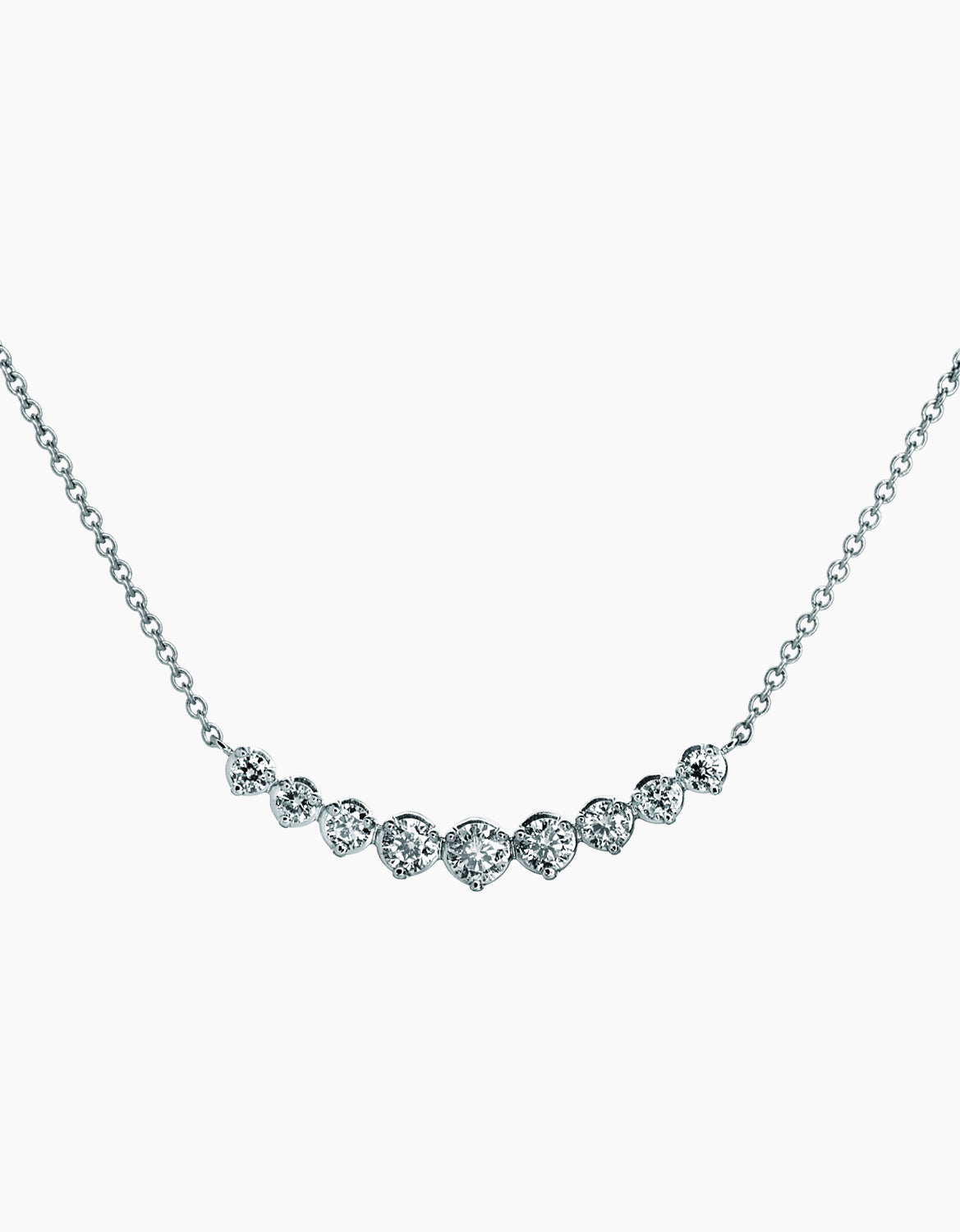 Necklaces & Pendants
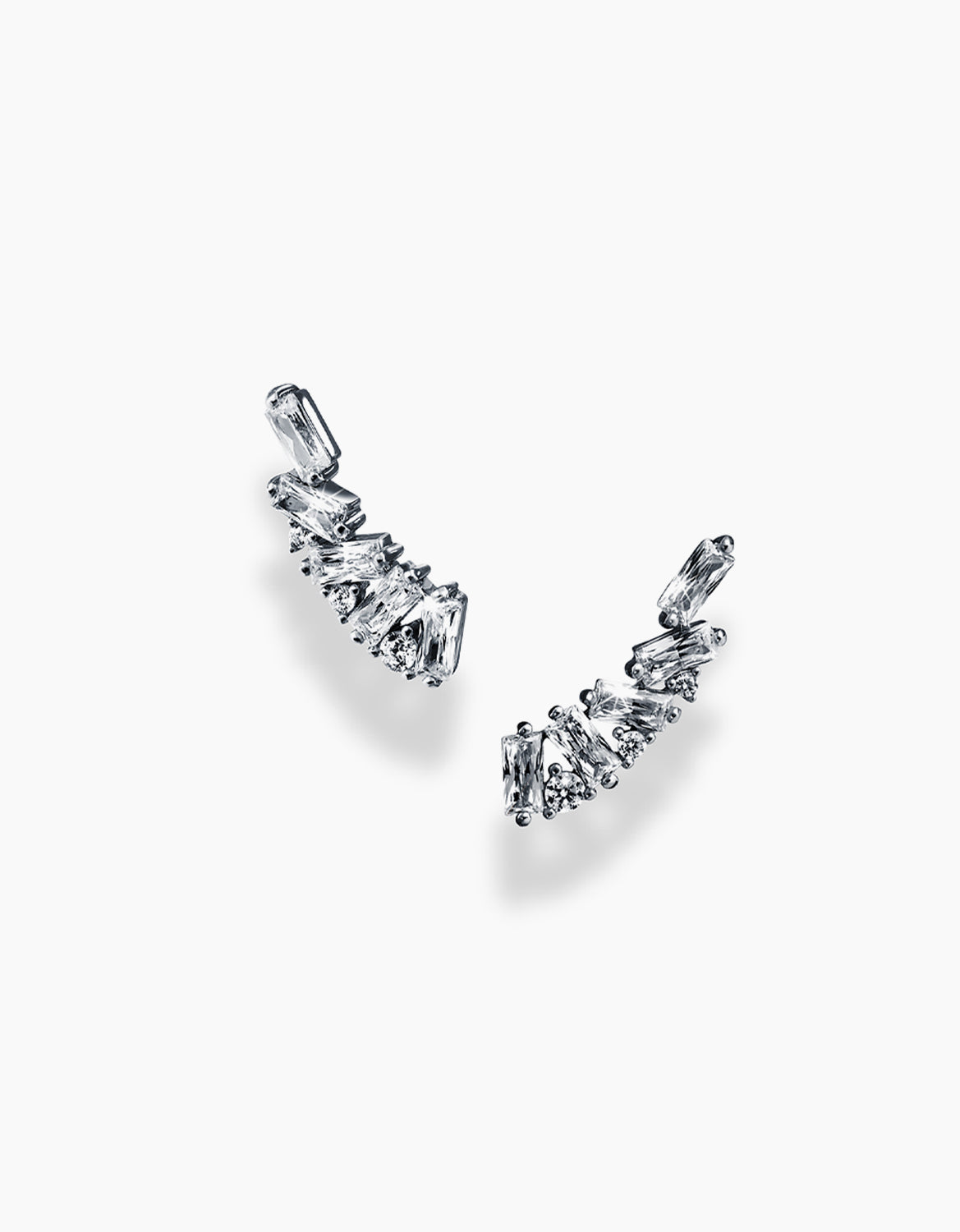 Silver Jewellery


 Our Story
 Diamond Buying Guide
 Watch Buying Guide
 Product Care & Aftercare
 Visit our Showroom
When you hold a piece of Gucci fine jewellery, you are holding centuries of artistic history. Many people know Gucci as a titan of Milanese runway fashion, leather goods, and bold modern branding. Yet behind every gleaming gold link, engraved cocktail ring, and delicate pendant lies a lineage that reaches back through the Renaissance to ancient Etruscan metalworkers. The house does not treat precious metals as mere accessories to complement clothing; it treats them as miniature sculptures shaped by the finest goldsmithing traditions in the world.
Understanding this heritage changes how you look at the jewellery. It transforms a simple monogram or floral motif from a recognizable status symbol into an engineering feat of alloy blending, hand chasing, and immaculate stone setting. To truly appreciate why these pieces feel so substantial and wear so comfortably over decades, one must step off the high-fashion runway and enter the quiet, dust-flecked workshops of Northern and Central Italy.
The Epicentres of Italian Goldsmithing
Italian jewellery craft is not centralized in a single corporate headquarters. Instead, it is distributed across legendary regional clusters, each famous for a specialized discipline honed over generations. Gucci draws directly from these historic centres to manufacture its fine collections:
- Vicenza (The City of Gold): Nestled in the Veneto region, Vicenza has been a global powerhouse of gold production since the 14th century. Artisans here are legendary for hollow-form technology, fluid chain weaving, and master alloy formulations that produce Italy’s unmistakable warm gold tones.
- Valenza: Known colloquially as the diamond capital of Italy, Valenza is where complex haute joaillerie comes to life. The town’s workshops specialize in meticulous micro-pavé settings, bespoke lapidary work, and multi-piece articulated mountings that demand obsessive hand finishing.
- Arezzo and Florence: In Tuscany—the birthplace of Guccio Gucci himself—goldsmithing is steeped in Renaissance sculptural tradition. Tuscan ateliers are renowned for surface engraving, bas-relief textures, and intricate wax-carving techniques.
By rooting production within these regional heartlands, Gucci maintains a standard of bench craft that mass-production facilities simply cannot replicate. Each master goldsmith (or maestro orafo) brings decades of instinctive touch to the workbench, reading the resistance of an 18-carat alloy with fingertips that know immediately if a curve lacks harmony.
From Florentine Roots to Precious Metals
Guccio Gucci founded the house in Florence in 1921, inspired by the refined elegance he observed while working as a lift attendant at London’s Savoy Hotel. Early output focused strictly on premium saddlery and leather luggage. However, the hardware required to fasten and adorn those leather goods served as the technical bridge to metalwork.
During the mid-20th century, as the brand expanded under Aldo and Rodolfo Gucci, the hardware evolved into standalone luxury design. The horsebit, first conceptualized as a brass saddle embellishment, was cast into solid silver and gold. By the late 1960s and early 1970s, Gucci had established dedicated ateliers focused entirely on gold jewellery. They approached metal with the same obsession for sculptural tension and seamless joins that made their saddlery indestructible.
Materials and Metallurgy: The 18-Carat Standard
The foundation of Italian goldsmithing is the purity and colour balance of the alloy. While fashion jewellery relies on plated base metals like brass, Gucci Fine Jewellery works exclusively with 750‰ gold (18 carats) and certified 925 sterling silver. Eighteen-carat gold strikes the ideal equilibrium: 75% pure gold provides deep, rich radiance, while the 25% alloying metals provide structural durability against everyday knocks and scratches.
Italian goldsmiths are particularly famous for their proprietary colour recipes:
- Italian Yellow Gold: Balanced with precise ratios of copper and silver to produce a sunlit, buttery warmth that avoids the greenish or brassy casts found in lesser commercial alloys.
- Italian Rose Gold: Enriched with higher copper ratios alongside trace silver, creating a soft, romantic blush that complements all skin undertones without looking copper-pot orange.
- Italian White Gold: Blended with palladium or nickel alloys, then electroplated with pure rhodium to yield an icy, mirror-like reflectivity that makes diamonds pop.
When choosing between different metal types and evaluating structural integrity for daily wear, finding the right proportions is crucial. You can explore how these metals perform over time in our comprehensive guide comparing gucci rings and wedding bands review, which covers gold wear, silver patinas, and weight trade-offs.
Signature Craft Techniques in Gucci Workshops
What sets Italian fine jewellery apart from industrial production is the marriage of time-honoured manual techniques with modern micro-engineering. Below are the primary methods utilized inside Gucci’s manufacturing partner facilities:
Lost-Wax Casting (Cire Perdue)
Many of Gucci’s sculptural elements—such as the snarling Lion Head, feline heads, and dimensional flora—begin as hand-carved wax sculptures. Once perfected, the wax is encased in a ceramic plaster investment mould. When heated, the wax melts away, leaving a hollow cavity that is filled with molten 18ct gold under vacuum pressure. This ancient casting method ensures that every intricate facial contour of an animal motif or twisted petal is captured in solid metal without air pockets or structural brittleness.
Hand Chasing and Repoussé
Casting alone only provides a raw blank. To bring the design alive, Italian artisans use hand chasing (embossing the front of the metal with tiny steel punches) and repoussé (working from behind to create depth). In collections like Gucci Garden or aged sterling silver lines, this manual detailing creates crisp fur textures, leaf veins, and antiqued contrasts that catch the light from across the room.
Guilloché Enamelling
Guilloché is the exacting art of engraving repetitive, mathematical geometric patterns into metal, which is then covered with translucent vitreous enamel. When the enamel is kiln-fired at temperatures exceeding 800°C, it fuses into glass. The underlying engraved pattern shines through the coloured glaze, creating luminous depth seen in Gucci’s fine charms, lockets, and vibrant high-jewellery collars.
Micro-Pavé and Gem-Setting Mastery
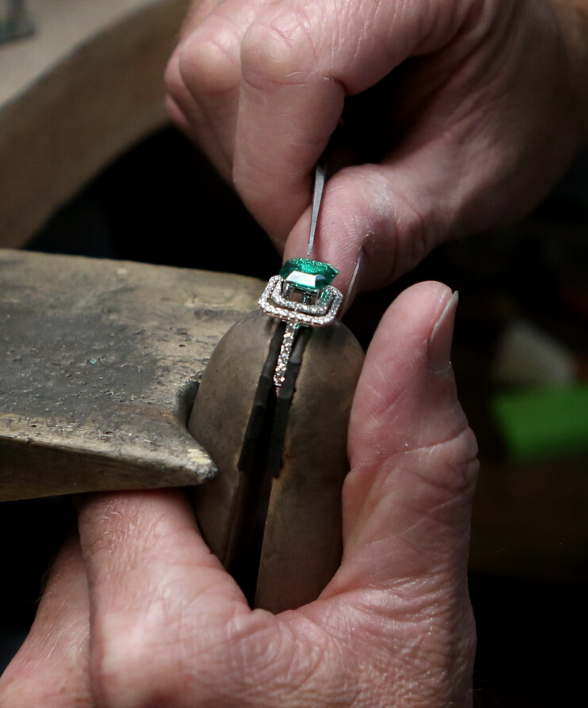
In the Valenza workshops, diamond setters work beneath high-powered stereoscopic microscopes. Rather than relying on bulky pre-cast prongs, setters hand-carve tiny beads directly out of the surrounding gold to secure each diamond. This micro-pavé technique leaves virtually no visible metal between stones, creating a seamless, carpet-like brilliance across rings and link surfaces.
The Iconic Motifs: Symbolism Cast in Gold
Italian goldsmithing has always woven classical storytelling into metal, and Gucci’s iconography follows this tradition closely. Every recurrent symbol carries layered meanings that reflect both nature and equestrian culture:
| Motif | Origin & Heritage | Goldsmithing Challenge |
|---|---|---|
| The Horsebit | Conceived in the 1950s from Florence’s equestrian high society. Represents refined poise and functional strength. | Requires precise multi-joint articulation so the miniature double-ring and bar sit flush without pinching skin. |
| The Interlocking G | Created to honour founder Guccio Gucci. An emblem of modern Italian luxury and symmetry. | Balancing negative space with mirror-polished flats; any surface imperfection shows immediately on straight edges. |
| Flora & Botanicals | Originally illustrated by Vittorio Accornero in 1966 for Princess Grace of Monaco. | Complex layered castings with delicate hand-set gemstones and hand-enamelled petal gradients. |
| The Bee & Lion Head | Historic European emblems of royalty, nobility, courage, and family unity. | Three-dimensional lost-wax casting demanding intense hand chasing to define miniature facial features and fur. |
When selecting these iconic motifs for your own collection, getting the proportions and dimensions right is essential for comfort. Before investing in a statement piece, consult our interactive Gucci Ring and Bracelet Size Calculator to ensure the fit matches your wrist or finger measurements perfectly.
Weight, Ergonomics, and Tactile Balance
A true hallmark of Italian bench work is ergonomics. Cheap jewellery often looks good from a distance but feels feather-light, hollow, or scratchy against the skin. Italian goldsmiths design from the inside out. Rings are finished with smooth, domed "comfort-fit" inner shanks that glide effortlessly over knuckles. Bracelets and necklaces are constructed with custom-weighted clasps that counterbalance the main motif, preventing the jewellery from constantly rotating backward during movement.
Even hollowed Italian chains—engineered to provide dramatic visual volume without prohibitive weight—are crafted using seamless electroforming tubes rather than folded sheet metal. This gives each link structural resistance against crushing while retaining a smooth, silky fluid drape. If you are exploring various chain thicknesses and styling options, review our deep dive into gucci necklace lengths and chain guide to understand how different link styles drape across the collarbone.
Sustainability and Responsible Bench Practices
Modern Italian goldsmithing is as much about ethics as it is about aesthetics. Gucci is a certified member of the Responsible Jewellery Council (RJC), adhering to the Code of Practices which guarantees that diamonds, precious stones, and metals are sourced through transparent, conflict-free supply chains.
Under its sustainability initiatives, the house actively uses RJC Chain of Custody-certified recycled gold across fine jewellery manufacturing. Recycled 18-carat gold is metallurgically identical to newly mined gold down to the atomic level, meaning zero compromise in density, luster, or tensile strength. By utilizing circular gold streams and environmentally controlled recycling facilities in Italy, Gucci ensures that its centuries-old artisan traditions protect the planet for the craftsmen of tomorrow.
Why Italian Bench Craft Matters for Your Collection
In a world increasingly dominated by machine-stamped accessories, investing in authentic Italian goldsmithing is an act of preserving living culture. A Gucci 18ct gold ring or diamond-set pendant carries the touch of dozens of artisans—from the metallurgist calculating alloy ratios to the stone setter cutting microscopic seats into the metal with a handheld burr.
This pedigree ensures that your jewellery is not a temporary trend piece. When properly cared for, these designs maintain their structural integrity, retain their brilliant polish, and develop a soft, distinguished patina that tells your personal story across decades. It is more than fashion; it is wearable Italian art crafted to endure.