

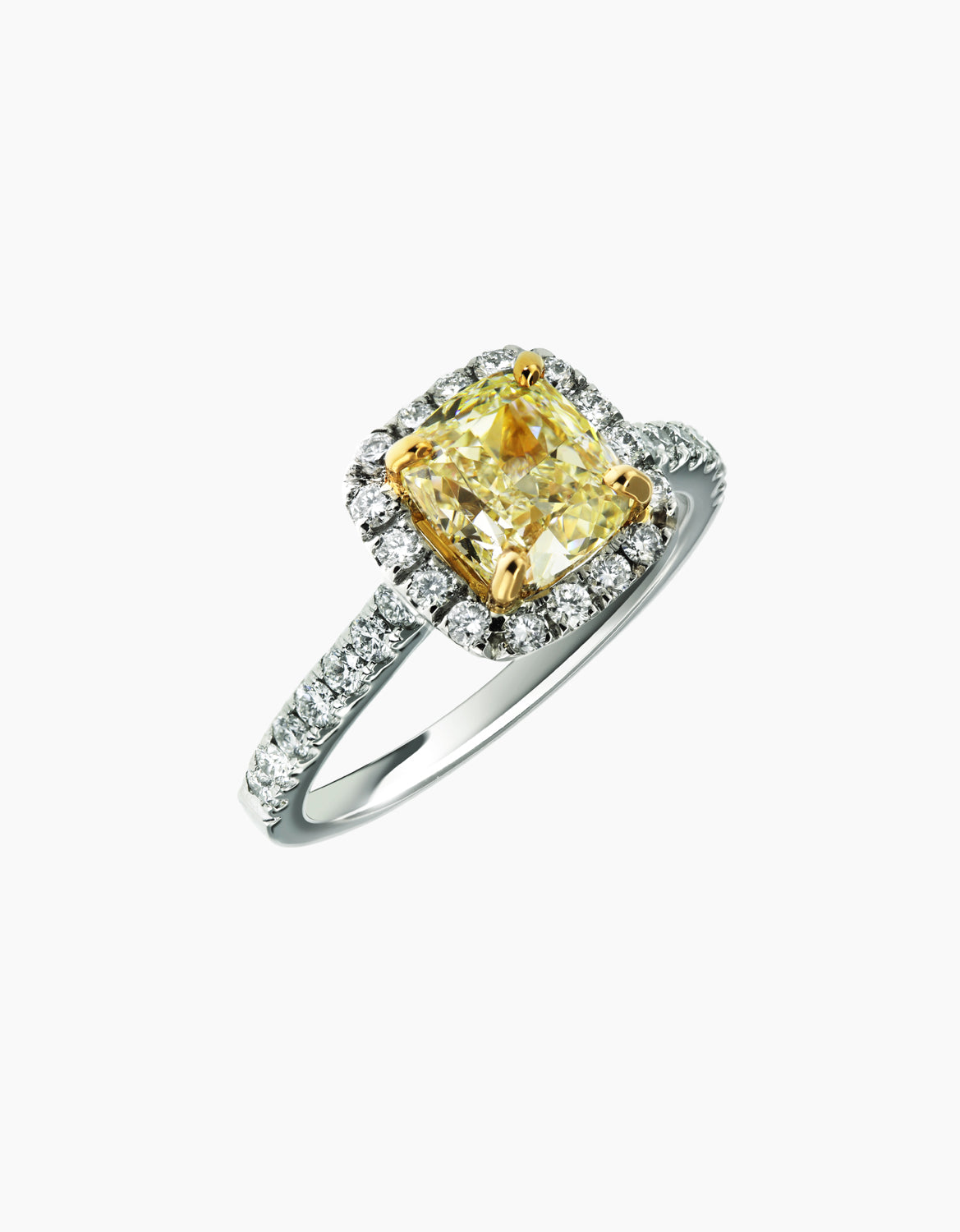
 Rings
Rings
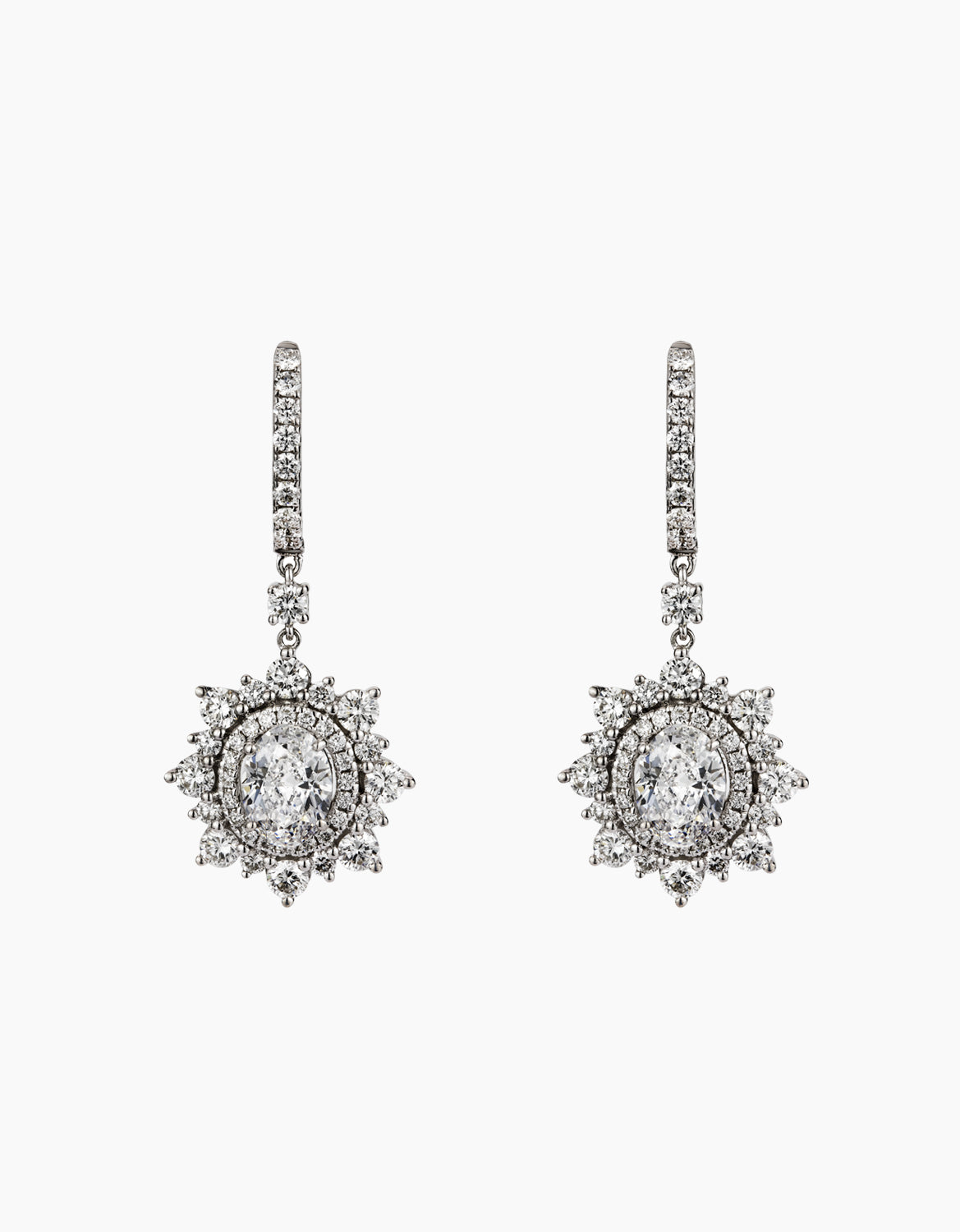 Earrings
 Bracelets & Bangles
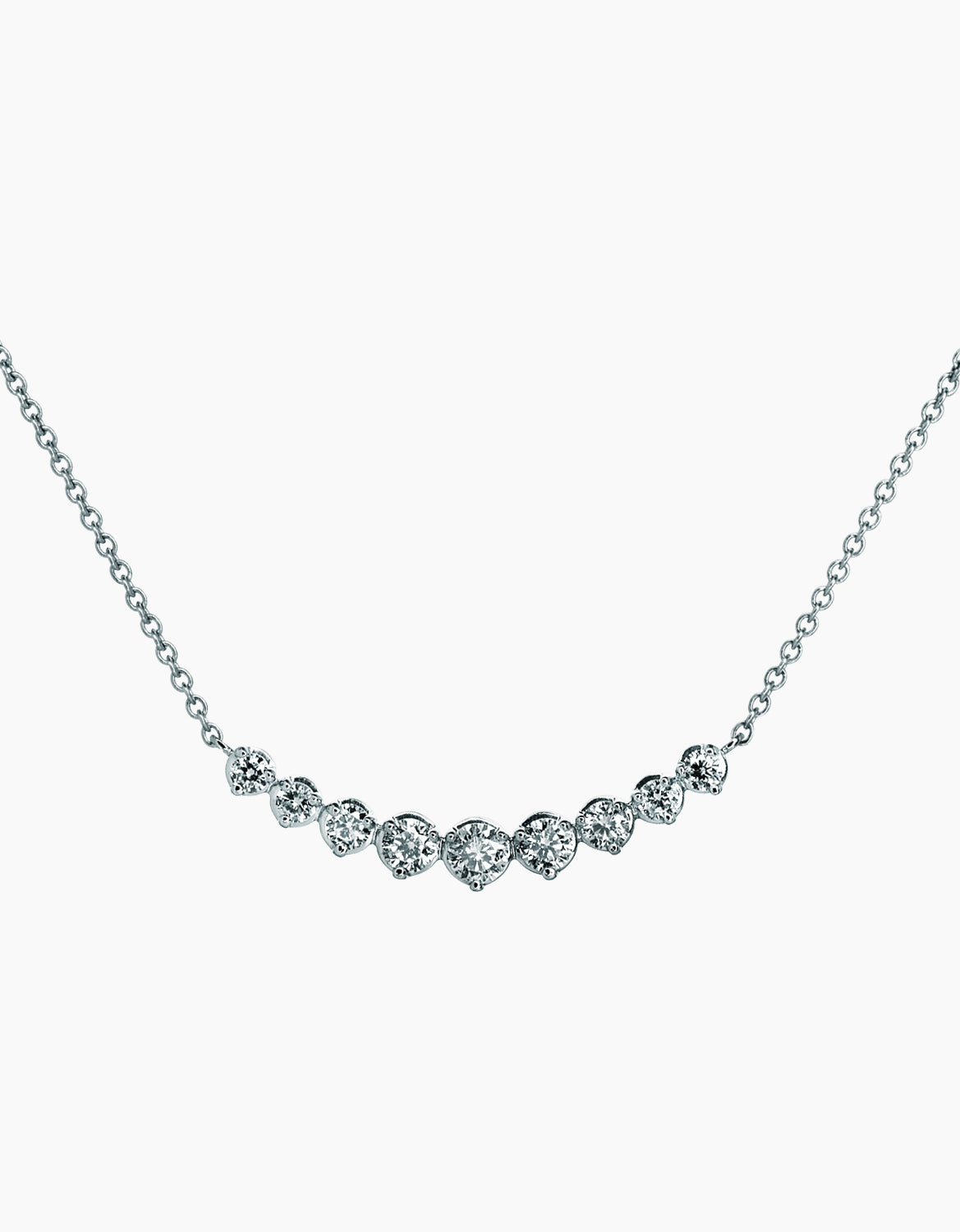 Necklaces & Pendants
 Silver Jewellery


 Our Story
 Diamond Buying Guide
 Watch Buying Guide
 Product Care & Aftercare
 Visit our Showroom
Gucci Jewellery Guide: Italian Craftsmanship, Motifs & Style
When Guccio Gucci opened his modest leather goods boutique in Florence in 1921, few could have anticipated that the brand would evolve into one of the world’s most celebrated luxury fashion houses. While world-renowned for leather accessories and haute couture, the Italian maison's fine and fashion jewellery design represents a extraordinary synthesis of traditional Florentine goldsmithing and modern runway design. Selecting high-end designer pieces requires an understanding of noble metals, intricate hallmark verification, sizing systems, and design heritage. At Finnies The Jeweller, we guide discerning collectors through the nuances of selecting, wearing, and preserving luxury accessories so that every piece becomes a cherished heirloom.
Navigating the expansive world of Italian luxury accessories often presents buyers with a frustrating dilemma: how do you balance dynamic fashion trends with lasting value and craftsmanship? Standard commercial jewellery guides frequently gloss over the technical specifics of gold alloys, regional hallmarks, sizing conversion matrices, and long-term resale retention. Buyers are left wondering whether a sterling silver chain, an 18ct gold cuff, or an enamel ring represents the best addition to their personal collection. This guide resolves those uncertainties by providing an exhaustive analysis of design motifs, material standards, fit considerations, and authenticity hallmarks, ensuring you make fully informed decisions.
Within this definitive article, you will explore the full spectrum of Italian high design. We examine the historic origins of world-famous symbols—such as the double-loop bit and monogram emblems—deconstruct Italian precious metal purity standards, provide actionable sizing instructions for online ordering, and present key strategies for preserving piece value over decades of wear. Whether you are searching for your very first statement piece or expanding an established private collection, this resource serves as your complete reference.
Core Fundamentals & Definitions
Understanding luxury Italian jewellery begins with a mastery of its core foundational terminology and materials. Unlike traditional bridal or classical diamond jewellery, modern fashion house creations blend centuries-old European metalworking techniques with bold iconography. The primary foundation of these collections is divided into two main categories: Sterling Silver (typically 925 purity treated with anti-tarnish rhodium or antique finishes) and Fine Jewellery (crafted in solid 18ct yellow, white, or rose gold, often accented with natural diamonds, gemstones, or hand-painted enamel). Recognizing the physical properties and hallmarks of these metals is crucial for proper care, wearability, and appraisal.
The cultural and aesthetic value of these collections lies in their ability to translate equestrian, botanical, and architectural codes into precious wearable sculpture. Italian goldsmithing traditions rely heavily on dimensional casting, hand-engraving, and precise surface finishing. When an artisan crafts an 18ct gold ring or a sterling silver chain, the process involves intricate lost-wax casting followed by multi-stage polishing to achieve the house's signature mirror shine or vintage aged patina. Understanding these technical fundamentals helps collectors appreciate why these pieces carry lasting prestige beyond simple bullion value.
Why does this distinction matter to the buyer? Because luxury design is defined by detail. A mass-produced fashion accessory relies on light surface plating and hollow stampings, whereas fine house creations utilize solid precious metal builds, meticulously stamped hallmarks, and ergonomically balanced shapes. By learning the language of hallmarking, alloy composition, and motif heritage, you protect yourself against counter-feits and ensure that every item you purchase brings enduring joy and lasting structural integrity.
In-Depth Sub-Topics (The Pillars of Italian Design)
1. Iconic Motifs & Symbolism
The narrative heart of the Italian fashion house is built upon a library of distinct visual motifs, each carrying a rich historical lineage. Chief among these is the double-loop equestrian bit, originally conceived during the mid-20th century when the founder drew inspiration from the equestrian pursuits of the English aristocracy and Florentine nobility. This metal hardware motif was seamlessly reimagined into fluid 18ct gold rings, flexible link bracelets, and striking pendant necks. To understand how this equestrian detail transitioned from saddlery to world-renowned luxury, read our dedicated breakdown on Why the Gucci Horsebit Motif Never Goes Out of Style.
Equally central to the brand's identity is the double-letter monogram symbol, created as a tribute to the founder's initials. Rendered in clean geometric lines or intricate overlapping forms, this motif adorns delicate silver chains, heavy signet rings, and contemporary drop earrings. Beyond geometric logos, nature plays a vital role: feline heads, serpent figures, and flora motifs bring an organic, sculpture-like energy to modern fine collections. Each motif reflects a specific design era, allowing collectors to curate looks that span classical mid-century elegance to bold contemporary statement styling.
2. Hallmarks, Authenticity, and Italian Metallurgy
Authenticity is the cornerstone of luxury jewellery collecting. Every genuine piece manufactured in Italy is subject to strict regulatory oversight regarding precious metal content and maker identification. True fine pieces feature crisp, perfectly legible stampings that specify the metal purity—such as "925" for sterling silver or "750" for 18ct gold—alongside official registration numbers that identify the precise Italian province and artisan factory where the item was hallmarked. Counterfeit items invariably stumble on these tiny details, exhibiting shallow, uneven, or missing engravings.
To safeguard your investments and ensure you are buying genuine, expertly finished pieces, mastering stamp identification is essential. For a granular step-by-step examination of stamp fonts, spacing, and legal assay marks, consult our definitive guide on How to Identify Authentic Gucci Interlocking G Engravings and Hallmarks. Learning to inspect these small stamps with a magnifying loupe grants complete peace of mind when acquiring second-hand or vintage treasures.
3. Sizing, Ergonomics, and Fit Considerations
Because luxury items are crafted across continental Europe, sizing measurements frequently follow standardized European scale systems rather than traditional British or American scales. Acquiring a fine ring or a structured cuff requires precise measurement to avoid uncomfortable friction, improper weight distribution, or the costly necessity of secondary resizing. Italian ring sizes correspond directly to inner circumference in millimetres, requiring straightforward mathematical conversion for buyers accustomed to UK letter sizing.
Bracelets and neck chains present their own fitting nuances. Fixed cuff bracelets require proper wrist width assessment to ensure the opening slides smoothly over the wrist bone without warping the metal structure. Chains, meanwhile, are crafted in standard lengths ranging from close-fitting 40cm chokers to sweeping 70cm pendant chains. For comprehensive measurement charts, conversion matrices, and fitting advice, explore our deep-dive resource on Understanding Gucci Jewellery Sizing: Rings, Cuff Bracelets, and Chains.
4. Investment, Resale Value, and Market Retention
While fine jewellery should primarily be bought for personal enjoyment and self-expression, its performance on the secondary luxury market is an important consideration for smart buyers. Not all designer pieces retain value equally; resale performance depends heavily on metal composition, motif popularity, production scarcity, and condition. Solid 18ct gold pieces with natural gemstones generally retain a higher percentage of their original retail cost compared to sterling silver fashion accessories, though highly sought-after silver collections can perform remarkably well due to cult demand.
Preserving original brand packaging, certificate cards, and receipt documents significantly boosts a piece's future resale appraisal. To learn which specific collections command top prices on the secondary market and how to maintain your collection for maximum financial return, refer to our detailed market analysis on Which Gucci Jewellery Pieces Hold Their Resale Value Best After a Sale?.
Actionable Frameworks & Comparative Data
Choosing the perfect designer piece involves evaluating several factors: daily wearability, metal resistance to scratching, maintenance needs, and overall budget allocation. To assist your decision-making process, our team at Finnies has synthesized a comparative guide contrasting primary materials across key performance attributes.
| Material Category | Metal Purity / Composition | Durability & Maintenance | Styling & Daily Wearability | Long-Term Value Retention |
|---|---|---|---|---|
| Sterling Silver (Aged/Polished) | 925 Fine Silver (92.5% pure) | Requires periodic cleaning; prone to natural oxidation if unplated. | Casual, versatile, modern streetwear appeal; ideal for everyday wear. | Moderate; strong demand for classic monogram pieces. |
| 18ct Yellow Gold | 750 Gold (75% pure gold alloy) | Highly resistant to tarnish; gentle buffing maintains warm lustre. | Timeless luxury, warm tone; pairs exceptionally with bridal wear and tailoring. | High; tied directly to gold commodity value and brand prestige. |
| 18ct White / Rose Gold | 750 Gold with palladium or copper | Rhodium plating on white gold may need re-application over years. | Contemporary, sophisticated, ideal for subtle high-end stacking. | High; consistent collector demand for fine diamond-set variants. |
| Enamel & Gemstone Set | Noble metals with lacquer/stones | Requires protection against hard impacts and chemical exposure. | Vibrant, expressive statement pieces; best reserved for occasion wear. | Variable; rare thematic releases command premium collector prices. |
Advanced Insights & Best Practices
Caring for luxury Italian metalwork involves tailored routine steps designed to maintain original factory finishes. Sterling silver items with intentionally antiqued finishes—such as carved skull or botanical pieces—should never be cleaned with aggressive chemical liquid dips. Immersion in harsh tarnish-remover solutions strips away the hand-applied oxidation in low-relief grooves, flattening the visual contrast and ruining the artistic depth of the piece. Instead, clean antiqued silver using a dry, soft microfiber polishing cloth, rubbing gently over raised surfaces while leaving darker recessed lines intact.
For fine 18ct gold items set with diamonds or precious stones, routine professional maintenance preserves both brilliant optical sparkle and setting security. Warm water mixed with a few drops of mild dish soap and brushed with an ultra-soft toothbrush will safely dislodge accumulated oils, creams, and everyday dust from under gemstone settings. Always store your high-end pieces individually in original velvet pouches or lined compartments to prevent harder stones like diamonds from scratching surrounding gold surfaces.
A common pitfall among designer jewellery enthusiasts is exposing fine items to harsh domestic chemicals, swim pools, and personal cosmetics. Chlorine, perfumes, hairsprays, and alcohol-based hand sanitisers can discolor gold alloys, pit sterling silver surfaces, and dissolve delicate enamel glazes. Adopt the golden rule of luxury accessorizing: your jewellery should always be the absolute last thing you put on in the morning after applying lotions and perfumes, and the very first thing you take off when returning home in the evening.
Frequently Asked Questions
Where is genuine Italian designer jewellery manufactured?
Authentic pieces are designed and crafted in Italy, utilizing historical artisan workshops across key jewelry-making regions such as Arezzo, Vicenza, and Valenza. Each piece bears official regional factory stamps confirming its genuine Italian origin.
Can Italian sterling silver rings and cuffs be resized?
While some solid silver band rings can be adjusted slightly by an experienced jeweller, pieces featuring continuous engraved patterns, enamel fills, or hollow structural cavities cannot be resized without damaging the design integrity. It is critical to select your exact size upon initial purchase.
How can I convert Italian ring sizes to UK ring sizes?
Italian ring sizes use a numerical scale based on inner circumference in millimetres (e.g., size 10, 12, 14). A size 12 corresponds roughly to a UK size L, while a size 15 aligns with a UK size O. Consult a professional jeweller or detailed conversion matrix before ordering online.
What is the difference between aged silver and rhodium-plated silver?
Aged silver undergoes a specialized chemical oxidation process to darken recessed details, giving the item a vintage aesthetic. Rhodium-plated silver is coated in a rare platinum-group metal, providing a bright, ultra-shiny white surface highly resistant to natural tarnishing.
Does designer jewellery come with official packaging and authenticity documentation?
Yes. Every authentic item purchased through authorized luxury jewellers includes bespoke brand packaging—typically a rigid ribboned box and a plush dust pouch—alongside care booklets and serial authentication tags.