

 Rings
Rings
 Earrings
 Bracelets & Bangles
 Necklaces & Pendants
 Silver Jewellery


 Our Story
 Diamond Buying Guide
 Watch Buying Guide
 Product Care & Aftercare
 Visit our Showroom
Which iconic Gucci jewellery motifs hold their resale or investment value best over time?
When investing in designer fine jewellery, discerning collectors rarely purchase solely on emotion. While the sensory pleasure of slipping on a polished gold cuff or fastening an intricate necklace is undeniable, intelligent buyers also consider longevity, enduring relevance, and resale value. Over the past century, Gucci has carved out a unique position within the luxury landscape, combining centuries-old Florentine goldsmithing traditions with ever-evolving haute couture. Yet, not every seasonal catwalk statement yields the same financial staying power. To make an informed acquisition, one must understand how secondary markets treat different designs and why specific heritage emblems consistently outperform fleeting trends. If you are exploring the Maison's broader artistic timeline, our comprehensive Gucci jewellery guide offers a panoramic overview of the Italian craftsmanship and stylistic hallmarks underpinning the house.
The secondary market for luxury jewellery does not evaluate designer pieces in the same manner as high-street costume accessories. When dealing with fine metals and gemstones, value retention rests upon three core pillars: raw material integrity, collector liquidity, and archival permanence. Archival permanence is where Gucci excels. Certain house codes have survived creative director turnovers, economic shifts, and rotating fashion cycles for upwards of seventy years. Below, we examine the most iconic Gucci jewellery motifs to assess how they perform over time, why their design architecture retains buyer demand, and which pieces offer the most dependable store of value.
The Horsebit: The Sovereign of Enduring Archival Value
If one single design code represents the gold standard of Gucci value retention, it is unequivocally the Horsebit. Originally conceived by Guccio Gucci's son, Aldo Gucci, in 1953 as a metal hardware detail on the brand’s signature loafer, the miniature double-ring and bar bit was directly inspired by the equestrian pursuits of the Florentine equestrian elite. By the late 1960s and 1970s, Italian goldsmiths began translating this double-ring hardware into solid fine jewellery, creating articulated link bracelets, heavy signet rings, and sculptural earrings that became international symbols of Continental sophistication.
From an investment standpoint, the Horsebit enjoys several distinct advantages on the secondary market:
- Immunity to Trend Cycles: Because the Horsebit is intrinsically architectural rather than overtly branded with literal lettering, it appeals to traditional fine jewellery collectors who might otherwise avoid logocentric items. This subtlety expands its resale audience well beyond high-fashion circles.
- Substantial Metal Weights: Authentic 18ct yellow and white gold Horsebit bracelets, particularly vintage and modern iterations from the fine jewellery lines, boast generous gram weights. This substantial heft ensures that, regardless of fashion ebbs and flows, the piece always holds a high intrinsic baseline value rooted in its precious metal purity.
- Generational Desirability: The motif has undergone periodic reinventions—from minimalist polished links to opulent pavé diamond cocktail rings—without ever losing its core proportions. Pre-owned auction houses consistently record brisk bidding for vintage 18ct Horsebit jewellery, often capturing 60% to 80% or more of original retail equivalents, an enviable figure in the branded luxury sector.
The Interlocking G and GG Running: High Liquidity Across Decades
While the Horsebit provides understated, quiet luxury, the Interlocking G provides immediate, unmistakable brand recognition. Designed in the early 1960s by Aldo Gucci to honour his father's initials, the initials were initially applied to silk scarves and luggage luggage before establishing permanent residence in the jewellery workshops of Valenza and Arezzo.
When assessing value retention for the Interlocking G, it is crucial to separate the collection into two key subcategories: sterling silver editions and 18ct solid gold creations (such as the contemporary GG Running line).
In sterling silver, the Interlocking G behaves like a liquid commodity. While silver inherently possesses a lower precious metal floor than gold, the sheer worldwide demand for accessible entry-level luxury means that authentic silver Gucci Interlocking G rings, chain bracelets, and pendant necklaces resell with exceptional velocity. Pre-owned items rarely linger in consignment showcases or online luxury portals; they sell quickly because consumer desire for the motif never wanes.
Conversely, the 18ct gold GG Running collection—distinguished by its clean, linear double-G emblem aligned along sleek bands, slim bangles, and delicate drop earrings—holds long-term capital value far more effectively. The combination of solid 750 gold hallmarks and brilliant-cut diamond accents protects these pieces from severe depreciation. Because the motif is universally identifiable, secondary buyers are consistently willing to pay a healthy premium above scrap gold pricing to secure the authentic design.
Marina Chain and Bamboo: The Discerning Purist's Choice
Beyond the most ubiquitous monograms lies an echelon of motifs revered by connoisseurs of vintage and mid-century Italian design: the Marina Chain and the Bamboo collections. Both represent brilliant chapters in Gucci's historical resourcefulness.
The Marina Chain, inspired by nautical anchor links, gained immense popularity during the late 1960s and 1970s. Characterised by rounded, split-centre oval links crafted in high-carat gold, Marina pieces possess an authoritative weight and liquid drape. On the resale market, 18ct gold Marina chains and bracelets command substantial attention among private collectors. Their design is so closely tied to classic mid-century European resort style that they rarely feel dated, making them resilient stores of aesthetic and material wealth.
Similarly, the Bamboo motif—originally born in 1947 out of post-war material shortages when raw materials were rationed in Florence—was translated by master jewellers into carved, ridged gold links that simulate the organic knuckles of bamboo stalks. High-end jewellery iterations crafted in 18ct yellow gold, often punctuated with round brilliant diamonds or carved stones, enjoy elevated prestige. Because Bamboo fine jewellery was produced in comparatively limited production runs compared to silver fashion lines, its secondary market supply remains tight, protecting price points and occasionally commanding collectible premiums at specialist estate auctions.
Flora and Botanical Motifs: Artistry, Enamel, and Collector Premiums
The Flora pattern traces its origins back to 1966, when Rodolfo Gucci commissioned renowned Italian illustrator Vittorio Accornero to create a bespoke botanical silk scarf for Princess Grace of Monaco. Decades later, this romantic tapestry of blossoms, butterflies, and insects was translated into exquisite three-dimensional fine jewellery collections.
In fine jewellery terms, the Gucci Flora collection represents some of the house's most technically sophisticated handiwork. Often rendered in 18ct white or rose gold with white diamonds, coloured gemstones, and vibrant vitreous enamel, Flora pieces attract an artistic buyer demographic. Unlike mass-manufactured fashion jewellery, fine Flora creations exhibit intricate openwork filigree and micro-prong diamond settings.
Resale value for Flora items depends heavily on condition. Because multi-colour vitreous enamel and intricate petal settings can be vulnerable to chipping or wear if mishandled, pristine examples achieve significantly higher resale valuations than weathered pieces. Collectors who treat their Flora acquisitions with meticulous care often find that the unique, painterly nature of the collection preserves value remarkably well, appealing to estate jewellery enthusiasts who value artisanal complexity.
The Dionysus and Animalier Motifs: Modern Iconography vs Market Cycles
Under creative eras that embraced mythological drama—most visibly the maximalist tenure of Alessandro Michele—motifs such as the Dionysus (featuring a textured U-shaped spur flanked by tiger heads), the Lion Head, the Ouroboros (snake), and the snarling Tiger emerged as dominant forces in the house's narrative.
When considering resale value for these statement motifs, buyers should weigh the distinction between high fashion and timeless fine jewellery:
- Statement Fine Jewellery (18ct Gold & Precious Stones): Dionysus or Lion Head rings cast in solid 18ct gold and clutching natural sapphires, rubies, or diamonds retain strong secondary market allure. Their dramatic presence makes them coveted collectors' items for buyers drawn to bespoke Italian character.
- Fashion & Costume Lines (Silver & Aged Metal Finishes): Silver pieces featuring antique finishes or synthetic cabochons trade primarily on fashion relevance. While they enjoy intense demand during the height of a particular aesthetic movement, their resale prices may fluctuate when the fashion house shifts toward minimalist or understated creative directors. Understanding this distinction is vital when assessing how long a specific piece will hold its retail value.
The Material Factor: How Metal Choice Determines Value Retention
No discussion of luxury jewellery investment is complete without addressing the stark physical divide between alloy compositions. When calculating prospective value retention, the physical metal is your ultimate insurance policy. To understand how precious alloys behave in the market over decades, explore our detailed analysis of gold vs silver Gucci jewellery value, which breaks down material performance, scratch resistance, and secondary liquidation patterns.
In brief, 18ct gold (composed of 75% pure gold alloyed with silver, copper, or palladium) carries a non-negotiable intrinsic value that rises and falls with global bullion indices. Even if a design were to fall entirely out of public favour, an 18ct gold Horsebit bracelet can never drop below the value of its melt weight. Furthermore, 18ct gold does not oxidise, tarnish, or suffer surface degradation when exposed to moisture, ensuring that vintage gold pieces retain their mirror-like polish and structural integrity across generations.
Sterling silver (925 purity), while beautifully workable and capable of bearing crisp blackened engravings, does not offer the same bullion baseline. A silver piece derives almost all of its price from the Gucci name and manufacturing artistry. Consequently, while iconic silver motifs resell quickly, their cash-retention percentage over ten to twenty years is almost always lower than equivalent pieces crafted in solid 18ct gold.
Comparative Analysis: Motif Value Retention Overview
To help guide prospective buyers, the following comparative assessment outlines how key motifs perform across liquidity, intrinsic baseline value, and long-term resale security:
| Iconic Motif | Primary Metal Type | Secondary Market Liquidity | Long-Term Value Retention |
|---|---|---|---|
| Horsebit | 18ct Yellow / White / Rose Gold | High (Global appeal) | Exceptional (Archival stability) |
| GG Running / Monogram | 18ct Gold & Pavé Diamonds | Very High (Instant recognition) | Strong (Consistent demand) |
| Interlocking G | 925 Sterling Silver | Immediate (Fast turnover) | Moderate (Depreciates from retail) |
| Marina Chain | 18ct Yellow Gold | Moderate to High (Specialist collectors) | Very Strong (Substantial weight) |
| Flora | 18ct Gold, Enamel & Diamonds | Moderate (Connoisseur niche) | Strong (Condition dependent) |
| Animalier (Lion / Tiger) | Aged Silver / 18ct Gold | Moderate (Trend sensitive) | Moderate to Strong (Gold pieces excel) |
Preserving the Resale Worth of Your Gucci Jewellery
Even the most iconic motif will suffer a penalty on the secondary market if it has not been appropriately cared for or authenticated. If you view your luxury jewellery purchase as a long-term personal asset, observing several straightforward habits will ensure your pieces retain maximum financial potential:
- Retain All Original Collateral: Never discard the velvet or satin packaging, presentation box, original invoice, or authenticity certificates. Having complete "box and papers" provenance can elevate a pre-owned piece's secondary sale price by 15% to 25% compared to an identical loose item.
- Protect Hallmarks and Workshop Stamps: Authentic Italian fine jewellery features precise legal marks, including metal purity (such as "750" for 18ct gold or "925" for sterling silver), the registered trademark "Gucci made in Italy", and regional workshop identification marks inside a polygonal cartouche (for instance, a star symbol alongside numbers and province letters like "AL" for Alessandria or "AR" for Arezzo). Over-zealous or amateur machine polishing can wear these delicate engravings down, severely compromising the item's proven authenticity.
- Store Individually: Precious metals, particularly 18ct gold and 925 silver, can scratch when tossed together in a jewellery box. Keep each item in its dedicated pouch or lined compartment to prevent chain friction, clasp abrasion, or diamond-on-gold gouging.
- Seek Professional Maintenance: Bring your fine pieces to an accredited independent jeweller for gentle ultrasonic cleaning, claw inspection, and periodic clasp safety checks. Keeping articulated joints and clasps in flawless working order guarantees that your jewellery remains ready for daily enjoyment and primed for any prospective valuation.
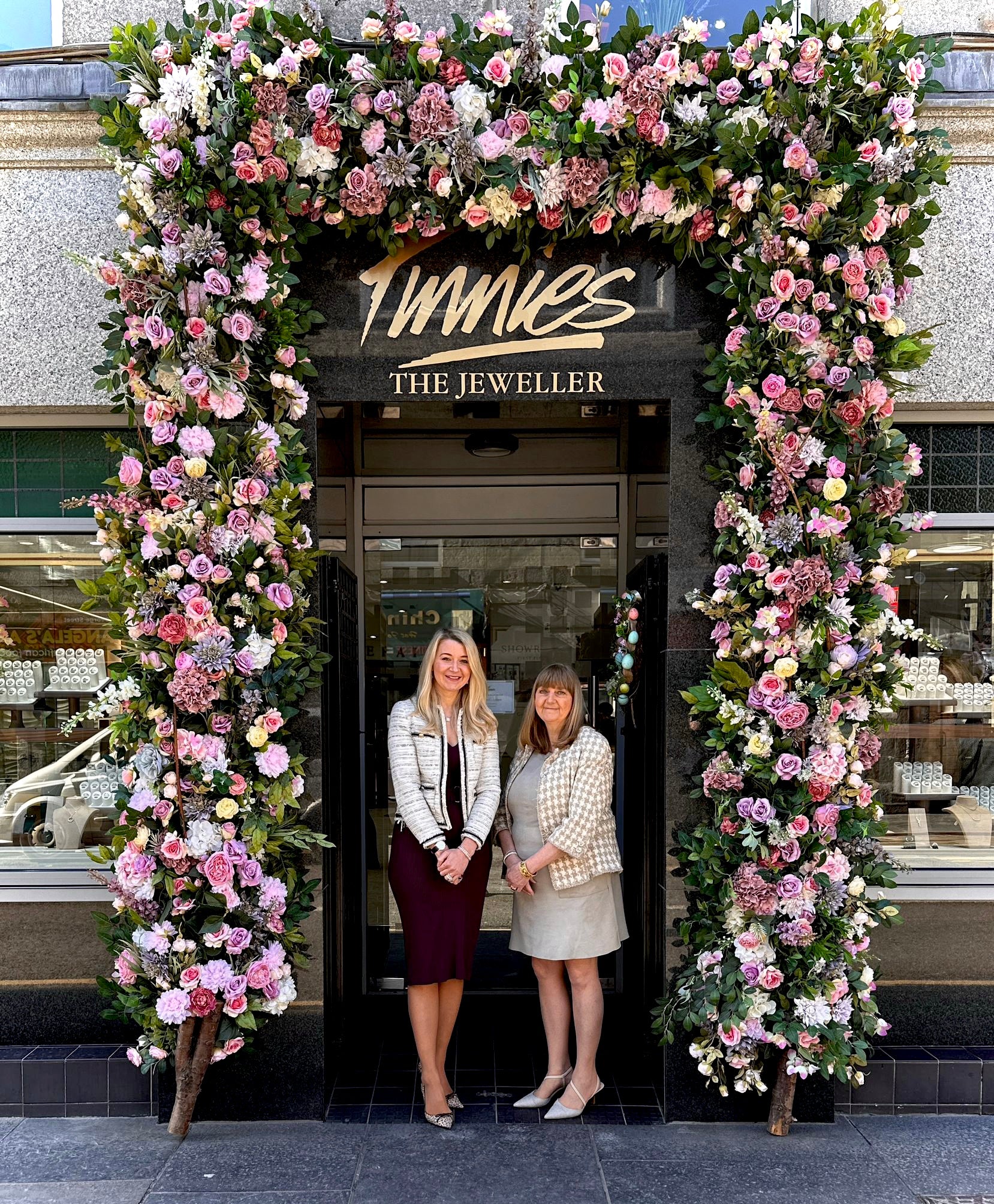
The Verdict: Choosing with Confidence at Finnies the Jeweller
When selecting a luxury Gucci jewellery piece that promises to hold its value best over time, historical data points decisively toward designs grounded in timeless architectural form rather than short-lived runway novelty. The Horsebit remains the undisputed leader in long-term capital preservation, celebrated for its equestrian prestige, substantial gold weights, and eternal styling ease. Close behind, the GG Running collection in 18ct gold offers unmatched liquidity and modern wearability, ensuring you can wear your investment effortlessly from morning boardroom meetings to formal evening celebrations.
Ultimately, jewellery should always be purchased primarily for the joy, pride, and personal expression it brings to your daily life. However, by anchoring your collection in proven motifs crafted from solid 18ct gold, you achieve the ideal balance: wearing a masterwork of Florentine design today while safeguarding an heirloom that will retain its allure and worth for generations to come. Visit Finnies the Jeweller to explore our curated collections, examine genuine Italian hallmarks in person, and receive personalised guidance from our knowledgeable specialists.